Weekend Guide: Three UK Art Stops Worth Your Actual Time
From Oxford to Manchester to London, this week’s strongest UK picks show how institutions are reframing flowers, Japanese print modernity, and architectural spectacle for 2026 audiences.
Week-ahead entertainment guides usually flatten art into one interchangeable bullet point between film and music. The current list is better than that, if you cut aggressively and read it as a route instead of a menu. Three entries stand out as high-value stops for readers who care about interpretation and not just attendance: In Bloom at Oxford’s Ashmolean, Hokusai and Hiroshige at the Whitworth in Manchester, and Vanbrugh at Sir John Soane’s Museum in London.
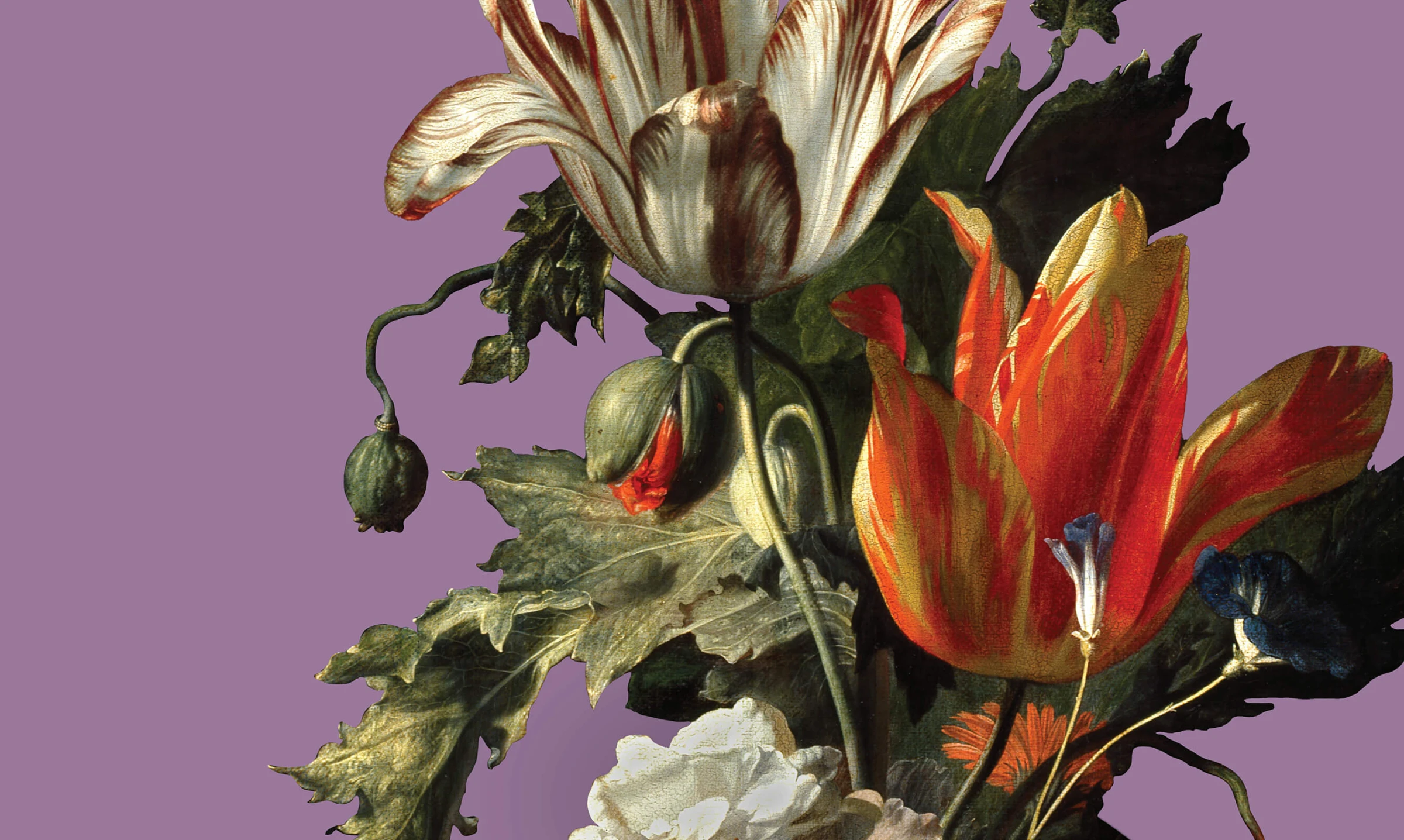
Start in Oxford with In Bloom. On first glance, flower-themed exhibitions can feel like seasonal programming built for footfall and gift-shop traffic. But this project appears to frame flowers across art, science, and trade, which opens a stronger institutional proposition: plants not as decoration, but as historical agents embedded in colonial exchange, taxonomy, medicine, collecting culture, and class display. If the curatorial texts maintain that structural framing, this is less spring pageant and more systems exhibition.
That distinction matters in 2026 because ecology narratives are now mainstream museum language. The risk is moral wallpaper: climate mention without historical mechanism. A show that links botanical imagery to extraction economies and knowledge production can avoid that trap. It can also restore accountability by asking who produced this knowledge, who profited from it, and who got represented in museum archives as neutral observers.
From Oxford, go north to the Whitworth’s Hokusai and Hiroshige pairing. This is a canonical exhibition type that still works when done with precision. Reproduction culture has collapsed Japanese printmaking into a few over-circulated images, especially The Great Wave. A comparative institutional frame can reverse that flattening by returning viewers to line rhythm, weather systems, sequencing logic, and social observation that disappear when prints are consumed as isolated icons.
The key curatorial challenge there is context density without over-explanation. UK audiences may know the images but not the historical conditions of Edo-period print production, circulation, and reception. The strongest version of this show will make technique legible while also clarifying how nineteenth-century European artists appropriated Japanese visual vocabularies under uneven cultural conditions. That means moving past influence mythology into actual contact history.
Then pivot to London for Vanbrugh at Sir John Soane’s Museum. This is a strategically smart pairing of venue and subject. Soane’s architecture already functions as an argument about spectacle, memory, and controlled overwhelm. Putting Vanbrugh inside that frame should foreground baroque architecture as political theater, not merely picturesque heritage. Visitors familiar with Castle Howard through television will have a chance to read the deeper design logic usually obscured by period-drama nostalgia.
Taken together, these three exhibitions produce a compact curriculum on institutional method. Oxford stages interdisciplinarity with historical stakes. Manchester recalibrates canon literacy through close comparison. London uses site-specific display to reactivate architectural history as a living discourse. They are different genres, but they complement each other and reward being seen in sequence.
If you only have one day, do not attempt all three. Pick one museum-scale argument and one focused historical intervention. For most readers, Ashmolean plus Whitworth delivers the best conceptual contrast. If you are London-only this weekend, spend your time deeply at Soane and skip weaker add-ons. Art itineraries fail when they become logistics competitions rather than looking practices.
A practical viewing method: at each stop, ask the same three questions. First, what counts as evidence in this exhibition? Second, where is authority located: wall text, object labels, chronology, architecture, or external reference? Third, what is the institution asking the viewer to do intellectually beyond admire objects? Those prompts keep the visit analytical and prevent passive consumption.
For students and educators, this route is unusually teachable. It supports assignments on curatorial rhetoric, medium translation, and museum politics without requiring specialist prior knowledge. Compare how each institution names its sources, frames uncertainty, and balances public accessibility with scholarly precision. Those choices are never neutral; they are where institutional values become visible.
For collectors and trustees, the route also offers strategic signal reading. Museums continue to favor arguments that reconnect aesthetics to infrastructure and history. That affects acquisition priorities, publication support, and partnership logic. In parallel, smaller and mid-size institutions can use this model to avoid blockbuster dependency by investing in tight thesis exhibitions that still travel publicly.
The bottom line: this is not a maximalist weekend, and that is exactly why it works. Three strong encounters are enough when they are framed intelligently. Spend less time chasing volume and more time on second-pass looking, note-taking, and comparison. The quality of attention remains the scarce resource, and this route is built for readers who still treat attention as a critical tool.
If you are traveling with friends or students, build in a debrief after each stop instead of waiting until the end of day fatigue. Ten minutes of structured comparison after each exhibition will generate better memory, stronger disagreement, and more precise judgment than rushing to the next venue for completion points.
Primary references and planning links: Ashmolean Museum, Whitworth Art Gallery, Sir John Soane’s Museum, Royal Collection Trust, and broader context from the Tate.