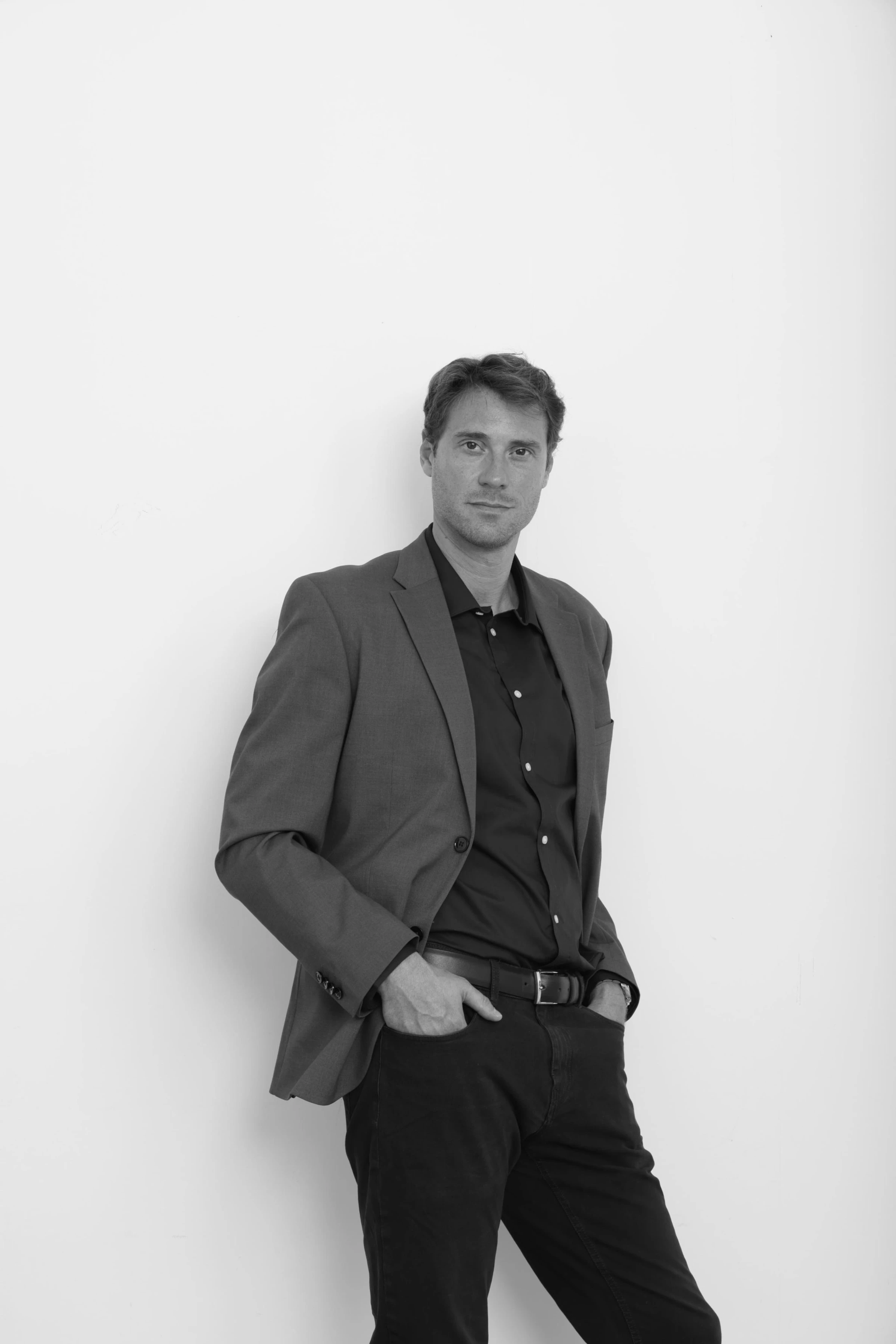
Watermill Center Names Charles Chemin Artistic Director
Watermill Center has appointed Charles Chemin as artistic director, signaling a new leadership phase for the Long Island institution founded by Robert Wilson.
Watermill Center has appointed Charles Chemin as artistic director, marking a significant governance and programming transition for the Long Island institution founded by Robert Wilson. The move comes as artist-led research spaces face rising pressure to balance experimentation, funding resilience, and international visibility in the same operating model.
Chemin steps into a role that touches residency strategy, commissioning priorities, and institutional partnerships. Watermill's value has long been its hybrid structure between performance laboratory, visual arts site, and cross-disciplinary residency campus. Maintaining that identity while expanding audience relevance will likely define the next cycle under his direction.
The appointment also sits in a broader pattern of leadership resets across major and mid-scale institutions this season, from museum director changes to curatorial restructures. For Watermill, the key question is whether Chemin can convert organizational continuity into sharper programmatic clarity, especially as competing platforms from New York to Europe increasingly target the same pool of artists, patrons, and philanthropic support.
Operationally, watchers should track three signals over the next year: residency selection profile, commissioning depth, and strategic collaborations with peer organizations. Partnerships with institutions such as MoMA, New Museum, or international performance and research centers would indicate whether Watermill's next phase is consolidating or expanding.
For artists, the stakes are practical. Leadership transitions can either widen access and curatorial range or narrow opportunities around safer programming. Early announcements from Watermill Center on residency themes, faculty, and commission formats will show how quickly Chemin's appointment translates into concrete support structures for emerging and mid-career practices.
Watermill's history matters here because it has never operated as a conventional museum with fixed collection logic. Its strength is process-based development, international artist networks, and residency-driven experimentation that often precedes institutional recognition elsewhere. That model is culturally valuable but operationally demanding, especially when fundraising expectations rise and stakeholders want measurable outcomes.
Chemin's appointment will therefore be judged not only by headline programming but by infrastructure decisions: how residencies are funded, how artists are selected, how documentation is preserved, and how cross-disciplinary work is translated for public audiences without flattening it. Institutions that solve those mechanics tend to create durable ecosystems. Those that do not drift into event cycles without long-term artist impact.
Another near-term indicator is geographic reach. Watermill has historically benefited from a global roster while remaining locally grounded in Long Island and New York. If the new leadership expands partnerships across Europe, Latin America, and Asia while preserving meaningful local engagement, it can strengthen both artistic relevance and funding resilience in a difficult operating environment.
Program transparency will also matter for trust. Publishing clear residency criteria, curator engagement formats, and commissioning timelines can reduce gatekeeping perceptions and attract stronger applications. For artists and advisors evaluating where to invest time, clarity of process is now as important as institutional prestige.
Ultimately, this appointment is best understood as an operating pivot rather than a ceremonial change. The next 12 to 18 months will show whether Watermill can convert leadership renewal into a sharper artist-support platform that remains experimental but financially and organizationally robust.