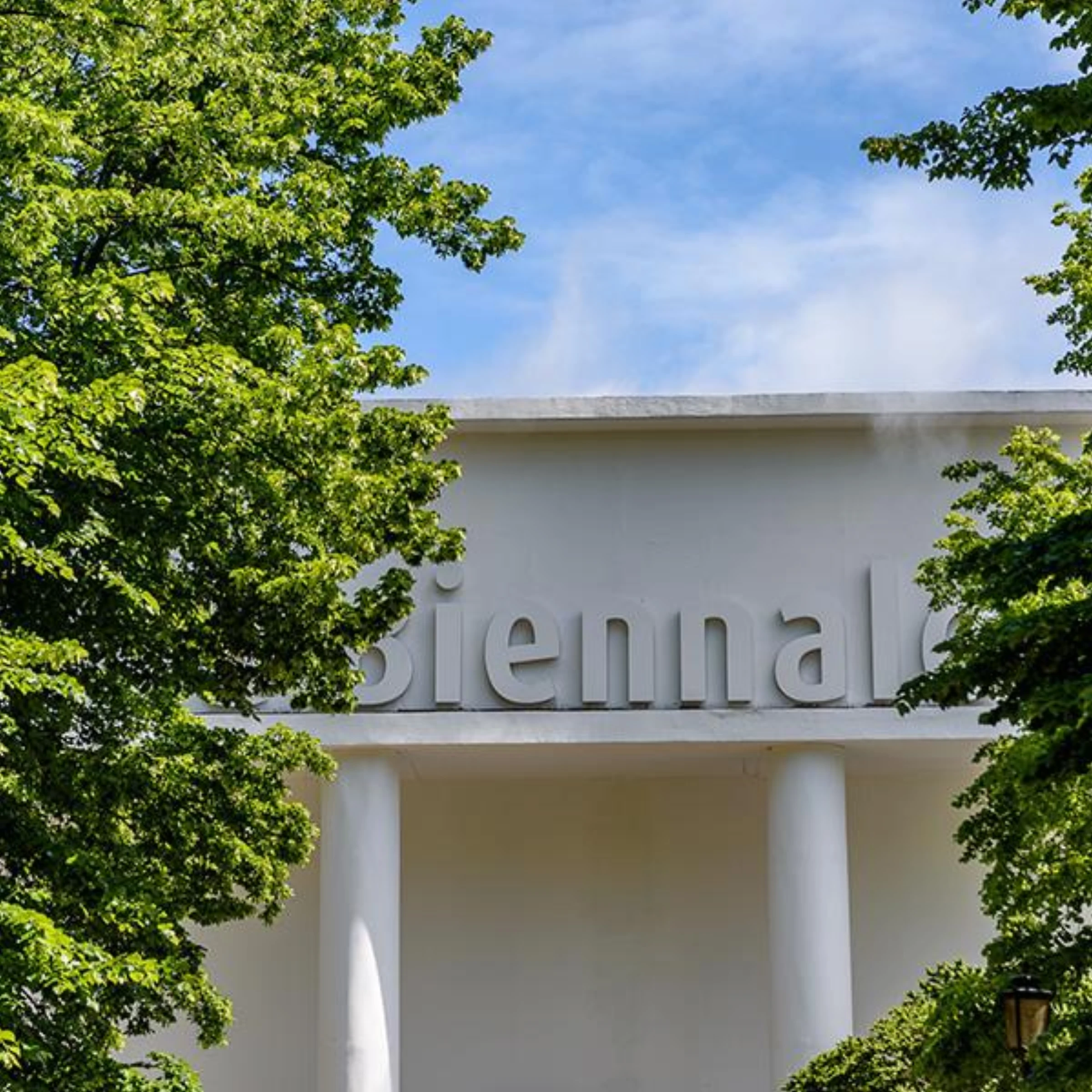
Cultural Workers Call 24-Hour Strike During Venice Biennale Opening Week
A coalition of art workers and unions plans a 24-hour strike on 8 May, escalating pressure on Biennale leadership over Israel’s participation and labor precarity.
A coalition of cultural workers, artists, and local labor groups has called a 24-hour strike for 8 May during the opening week of the 61st Venice Biennale, a move that turns an already volatile edition into a direct confrontation over cultural governance. The action, organized by the Art Not Genocide Alliance and partner groups, includes a planned rally on Viale Garibaldi near the Arsenale, where several national presentations are concentrated.
The organizing bloc says the strike addresses two linked issues: Israel’s participation in this year’s exhibition and the structural labor conditions that underpin the event’s production model. The coalition says it has support from multiple grassroots organizations and Italian unions, including ADL Cobas, USB, and CUB. The public framing matters because it shifts the conversation from symbolic protest alone to a workplace action inside a major international art platform.
Last month, signatories including artists and curators involved in the Biennale sent a letter to management calling for the cancellation of Israel’s pavilion. The strike call expands that pressure campaign. In practical terms, organizers are asking participants to close pavilions and venues in solidarity. If even partial compliance materializes, the effect would be significant during preview week, when institutional directors, collectors, and press establish the narrative that often shapes the full seven-month run of the exhibition.
The context is politically charged. Since the 7 October 2023 Hamas attacks and the war in Gaza, cultural institutions across Europe and North America have faced escalating demands to take explicit positions on state violence, sanctions, and cultural boycotts. The Venice situation is sharpened by venue logistics: Israel’s presentation is not in its usual Giardini site, which is under renovation, but in the Arsenale, placing it in closer operational relation to other national and curated projects.
The dispute is also now bound up with the Biennale’s internal legitimacy crisis. The five-person international jury resigned after controversy over whether to exclude artists from countries whose leaders face ICC charges. That rupture raised a wider question for this edition: whether the institution can maintain consistent standards, or whether geopolitical responses are being improvised under pressure. Organizers have also pointed to Russia’s contested presence this week, intensifying accusations of uneven enforcement.
For curators and museum leaders, the immediate issue is operational risk. A strike during opening days can disrupt staffing, programming, and press access, but it can also alter reputational calculus for participating institutions long after Venice closes. For artists, the choice is sharper: remain open and be read as neutral, or close and be read as aligned with a boycott logic that some still oppose on principle. Israeli artist Belu-Simion Fainaru, for example, has argued against cultural boycotts while acknowledging the severity of the moment.
Whatever happens on 8 May, the strike call confirms that labor organizing has become a central force in global exhibition politics. This is no longer only a debate about statements, letters, or symbolic gestures. It is a question of who keeps institutions running, who can stop them, and what political conditions are considered acceptable for cultural production.
For readers tracking this week in Venice, follow official updates from La Biennale di Venezia, union statements from participating labor organizations, and participating venue announcements as they post operational changes on their own channels.