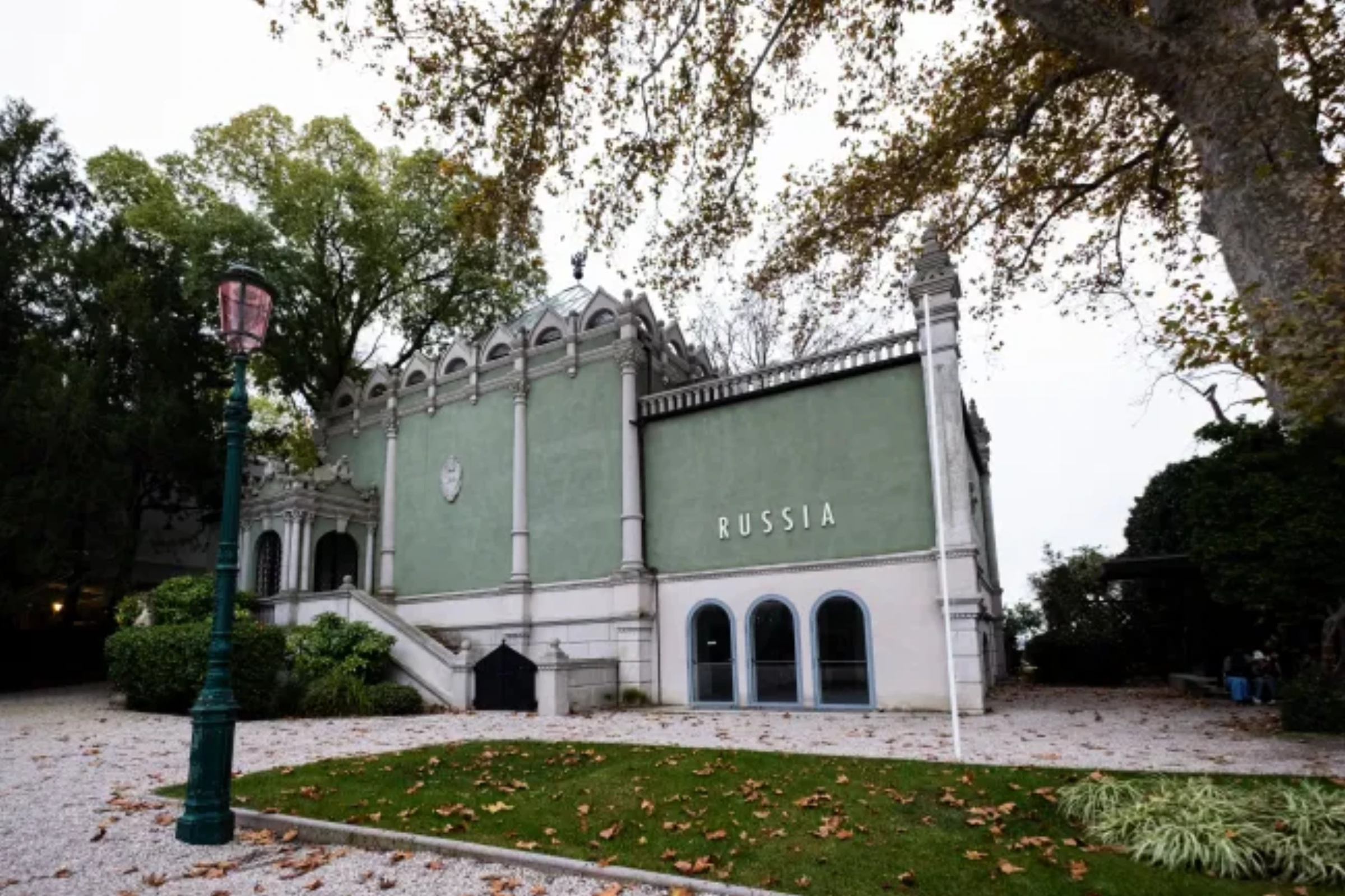
European Ministers Press Venice Biennale to Exclude Russia in 2026
Culture ministers from 22 European countries have urged the Venice Biennale to bar Russia, escalating pressure on the exhibition's neutrality claims.
A coalition of 22 European culture ministers has asked the Venice Biennale to exclude Russia from the 2026 edition. The request converts an already heated debate into a direct governance test for one of the art world's most visible institutions.
The ministers' position is that a global cultural platform should not function as a site of normalization for state power while war continues in Ukraine. Their letter follows renewed signs that Russia intends to return after previous voluntary absences. Ukrainian officials have made the same argument publicly, stressing that symbolic participation at Venice carries diplomatic consequences far beyond curatorial discourse.
For the Biennale, this is where institutional rhetoric meets contractual reality. National pavilions are structurally political even when organizers present the exhibition as a neutral forum. That tension has always existed. What has changed is enforcement pressure from funders, states, and civil society groups that now expect clear policy language rather than broad appeals to dialogue.
The leadership challenge is not only whether Russia participates. It is whether participation standards are legible, consistent, and enforceable across all states represented in the Giardini and Arsenale system. If rules are opaque, every decision looks discretionary. If rules are explicit, every decision becomes contestable but at least defensible.
Institutions from La Biennale di Venezia to documenta to Tate are watching because this dispute will likely set an operating precedent. Large recurring exhibitions with public funding can no longer rely on vague neutrality as a shield when geopolitical conflict is active and sanctions architecture is evolving.
Artists and curators are also exposed by ambiguity. Without clear conditions of participation, practitioners can be forced into binary public positioning that flattens the work itself. That dynamic is bad for discourse and bad for institutions that claim to protect complexity.
A practical timeline issue is now in play. Pavilion planning cycles involve contracts, shipping, insurance, and diplomatic coordination. Delayed decisions become expensive decisions. The longer governance terms remain unclear, the narrower the room to adjust without collateral damage.
The next meaningful signal will be procedural, not rhetorical: revised participation terms, published ethics language, and compliance pathways that explain how decisions are made. Whether Venice bars Russia or not, the credibility test is now about process integrity under pressure.
A secondary effect is already visible across the ecosystem. Partner museums, lenders, and funders are stress-testing their own participation clauses for international projects. If Venice formalizes stricter standards, many institutions will copy that language quickly because procurement and legal teams prefer tested templates over improvised case-by-case responses.
That is why this dispute matters beyond one pavilion. It is becoming a policy laboratory for how culture sector governance handles state representation during active conflict, and the model exported from Venice may shape biennial rules for years. If the framework is clear, institutions gain predictability; if it is vague, every future controversy will reopen the same crisis cycle. Expect boards to demand scenario planning documents before committing artists, lenders, and public funding to future cycles.