Venice Biennale Reopens a Fully Rebuilt Central Pavilion Before Arte 2026
A €31 million reconstruction of the Giardini’s Central Pavilion reshapes circulation, lighting, and technical infrastructure just weeks before the 2026 Biennale opens.
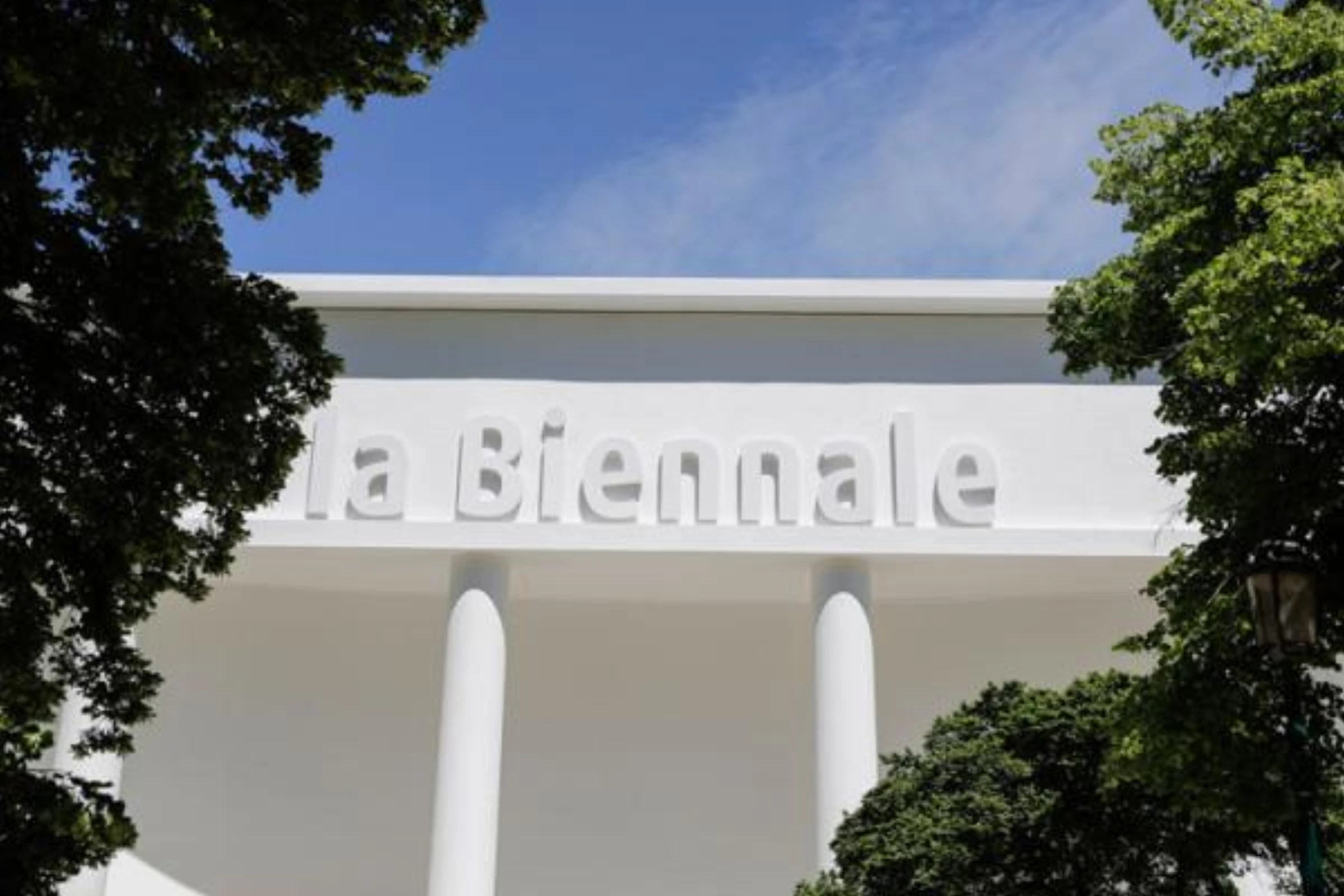
La Biennale di Venezia has reopened the Central Pavilion in the Giardini after a 16-month reconstruction that cost €31 million, one of the most consequential infrastructure changes to the exhibition complex in years. The project lands at a decisive moment. Installation for Arte 2026 is beginning, and the first edition shaped by the late Koyo Kouoh’s curatorial vision will now be staged inside materially different rooms than any previous cycle.
The intervention, funded through Italy’s National Recovery and Resilience Plan complement and Ministry of Culture heritage programs, was presented as more than restoration. Biennale statements frame it as a critical reinvention that strips away accumulated additions, clarifies circulation, and makes the pavilion technically cleaner for large-scale contemporary work. In practical terms, this means exhibition spaces with fewer visible service intrusions, updated environmental systems, and a more coherent sequence of rooms for curatorial pacing.
The official project presentation page details the architectural team and engineering coordination, and emphasizes two linked goals: preserving the building’s layered historical identity while making it operationally legible for current exhibition demands. The work includes new skylight logic, motorized shading for blackout control, and reorganized support zones around bookshop, education, and multipurpose functions. Those choices are less glamorous than renderings, but they determine how reliably ambitious installations can be realized under tight production windows.
That matters because the Central Pavilion has always operated as an index of Biennale priorities. Built for the 1895 inauguration, then repeatedly reworked across the twentieth century, the structure carries traces of national-pavilion politics, postwar exhibition expansion, and the shift toward large transnational curatorial narratives. A major reset in 2026 is therefore not only technical. It recalibrates the institution’s public face at the exact moment the Biennale is under scrutiny for how it balances global ambition, governance complexity, and uneven geopolitical pressures.
The project team’s language around flexibility and essential space should be read in relation to production realities. Contemporary biennial exhibitions require rapidly reconfigurable galleries, robust load and safety planning, and cleaner interfaces between architecture and temporary scenography. The new version of the pavilion appears designed to reduce friction between curatorial intent and on-site build constraints. For artists and commissioners, that can translate directly into fewer compromises between concept and install feasibility.
There is also a symbolic register. A stark white-and-black interior palette, now widely circulated in official documentation, signals a deliberate departure from improvised add-ons and visual clutter. Whatever one thinks of that aesthetic, it performs institutional intent clearly: this is a platform optimized for contemporary display protocols rather than a nostalgic shell. In a biennial ecosystem where architecture often competes with artworks for attention, the redesign tries to shift emphasis back to curatorial sequencing and object-to-space relationships.
For Arte 2026, the rebuilt pavilion becomes part of the exhibition argument before any work is seen. Kouoh’s framing text for “In Minor Keys” invokes listening, low frequencies, and alternatives to spectacle. Whether the building can hold that tonal ambition will be tested in May, but the infrastructural conditions are now materially altered. The key point for collectors, curators, and advisors is straightforward: the venue itself has changed, and that change will influence interpretation, logistics, and visibility for every project placed within it.
Primary references: official Biennale project announcement, Biennale institutional site, and Arte 2026 program page.