Boycott Calls Around the 2026 Venice Biennale Gain Visibility
Ahead of the 2026 opening, escalating boycott advocacy is forcing institutions and participants to clarify how they will navigate representation, state participation, and political accountability.
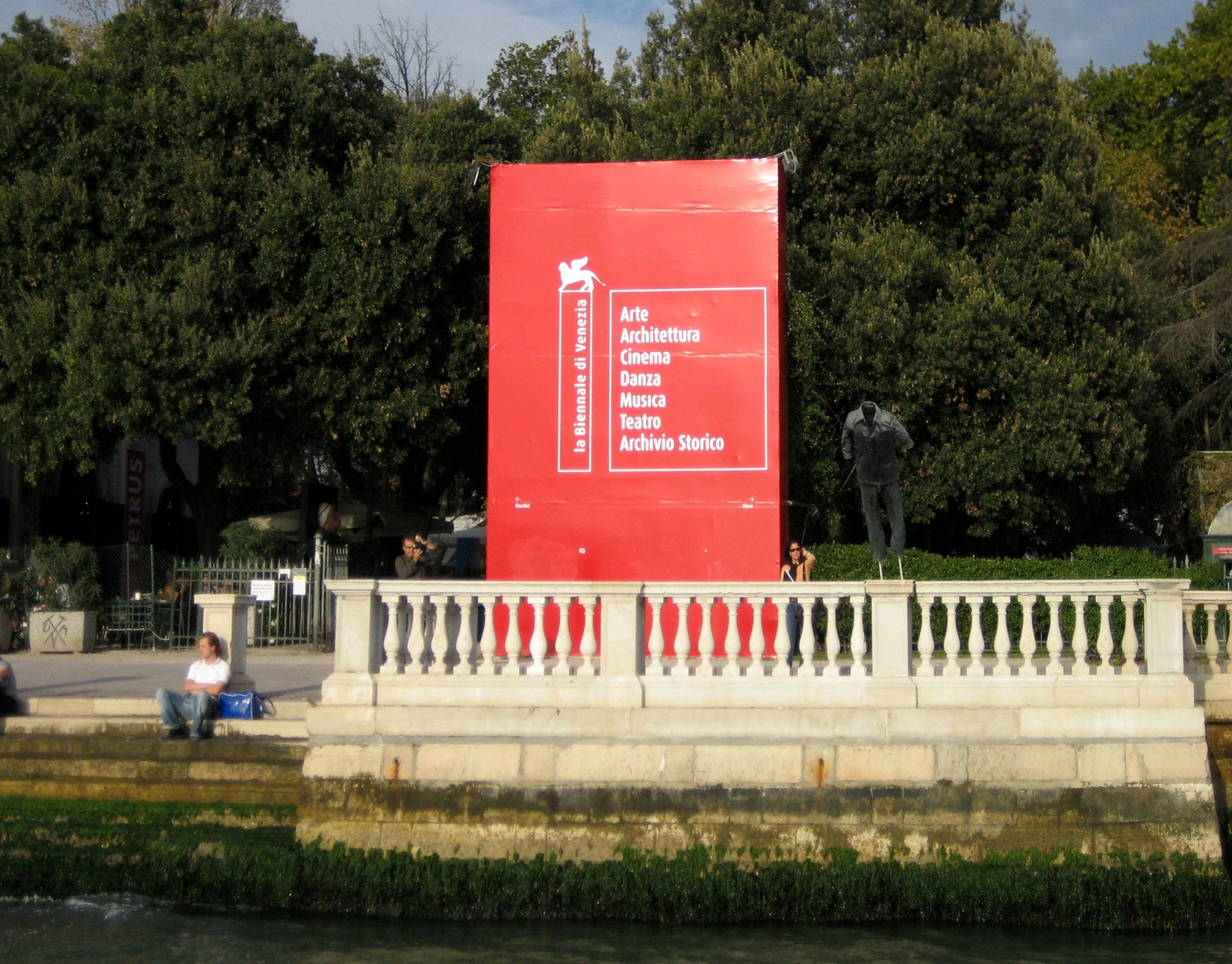
Public calls to boycott the 2026 Venice Biennale intensified this week as advocacy groups and commentators pressed institutions, artists, and curators to address participation frameworks in explicit political terms. The immediate trigger is debate over state representation and venue allocation decisions, but the broader pressure is about accountability standards for cultural platforms that claim global moral authority while operating inside geopolitical conflict. The conversation is no longer peripheral. It is becoming a central condition of how the exhibition cycle is being read.
Supporters of boycott strategy argue that symbolic participation carries material and reputational consequences, especially when national representation is involved. In their view, refusal is one of the few tools available to cultural workers when diplomatic and legal channels appear insufficient or stalled. Opponents and skeptics counter that broad withdrawal can collapse opportunities for dissenting artistic voices and can reduce the exhibition’s capacity to host contested public dialogue. The dispute is now less about whether politics belongs in the Biennale, and more about which forms of political action are structurally meaningful.
Institutions caught in the middle are facing unusually high decision costs. Silence is interpreted as alignment. Partial statements invite scrutiny over implementation details. Full-throated positions may generate donor pressure, state backlash, or internal fracture among staff and artists. As a result, many organizations are being pushed to clarify governance logic: who decides participation thresholds, what criteria trigger escalation, and how those criteria are applied consistently across cases rather than only in moments of peak attention.
For major exhibitions now, the curatorial question and the governance question are no longer separable.
For artists, the stakes are both ethical and practical. Biennale participation can reshape careers, funding trajectories, and institutional visibility for years. Declining to participate may carry real economic and professional consequences, particularly for younger practitioners or those without strong gallery infrastructure. Participating without public framing, on the other hand, can generate reputational risk among peers and audiences who now expect explicit positioning. The burden has shifted from private deliberation to public explanation.
Curatorially, this environment changes exhibition reading conditions before viewers even enter a pavilion. Works are now interpreted through the governance choices that made their display possible. That does not diminish artistic autonomy, but it does relocate part of meaning production from object to institution. In practical terms, curators must account for this in wall text, programming, and press strategy, because visitors increasingly evaluate not only what is shown but the terms under which it is shown.
As May approaches, the Biennale will continue to function as both exhibition and political barometer. The most realistic near-term outcome is not consensus but procedural hardening: clearer policies, louder coalition building, and more direct tests of institutional credibility. For the global art system, this is a structural update, not a temporary media cycle. Participation now carries an expanded disclosure requirement, and audiences are reading cultural events with governance literacy that did not exist at this intensity a decade ago.
The practical consequence is that institutions are now expected to publish not just values statements but operating criteria. Audiences want to know how decisions are made, which thresholds trigger action, and whether those rules apply uniformly across contexts. That expectation is unlikely to reverse after this cycle. It will shape future biennials, triennials, and museum partnerships where state representation, sponsorship, and ethical legitimacy intersect in public view.