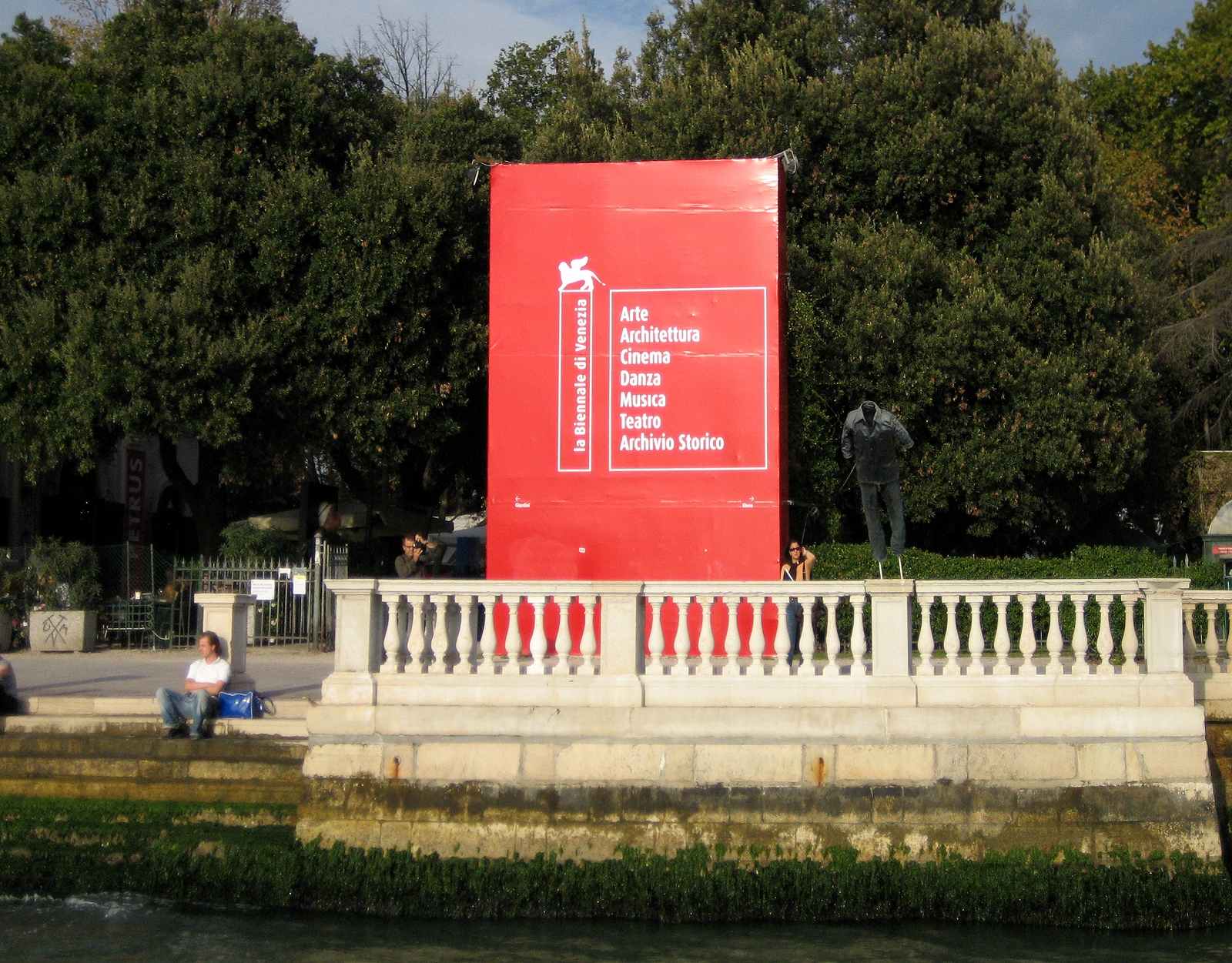
Venice Biennale 2026 Architecture Team Frames Climate as Core Civic Infrastructure
The 2026 architecture program in Venice positions adaptation, maintenance, and public systems at the center of curatorial strategy, signaling a shift from spectacle-first exhibitions toward implementation-focused practice.
The Venice Biennale’s 2026 architecture cycle is being framed around climate adaptation, civic systems, and practical urban resilience, a curatorial direction that marks a meaningful departure from pavilion-era formalism. Early program language and team positioning suggest an edition designed less as a global mood board and more as a working platform for infrastructure thinking across scales, from neighborhood interventions to lagoon-wide planning questions.
That emphasis is timely. Architecture exhibitions over the past decade have often produced sophisticated diagnostics without equivalent implementation logic. Venice 2026 appears to be pushing in the opposite direction by foregrounding maintenance, public works, and cross-disciplinary research as central exhibition material. If sustained, this can reset how architecture biennials are evaluated, not only by conceptual sharpness, but by whether they produce usable frameworks for institutions and municipalities.
The team structure also indicates a broadened understanding of curatorial labor. Rather than isolating the exhibition as an auteur statement, the current model points toward collaborative knowledge production involving architects, planners, historians, ecologists, and policy-facing practitioners. This matters because climate-responsive architecture cannot be meaningfully discussed through form language alone. It requires governance, finance, labor, and environmental data to sit inside the same conversation.
What stands out in the 2026 framing is a move from architecture as image production toward architecture as long-horizon public service.
For Venice specifically, this orientation has immediate local relevance. The city is already a live laboratory for water management, heritage fragility, tourism pressure, and infrastructural strain. A biennial that treats these conditions as substantive curatorial matter, rather than atmospheric backdrop, can produce a more credible relationship between site and exhibition. That would be an important correction after cycles where Venice has functioned largely as symbolic stage set.
The likely impact on participating institutions is equally significant. National pavilions have historically rewarded visual distinction and compressed narratives. A resilience-centered edition could shift incentives toward research partnerships, long-term documentation, and public-facing prototypes that continue after the exhibition closes. This does not remove the need for formal innovation, but it changes the terms on which innovation is judged.
There are risks. Climate framing can easily become rhetorical consensus language if projects are not materially grounded. Audiences are increasingly adept at identifying when sustainability discourse is being used as curatorial ornament. For the 2026 edition to hold authority, it will need precise project evidence, clear methodological transparency, and disciplined distinctions between speculative vision and operational feasibility.
If the team delivers on that standard, Venice 2026 could become a reference point for a post-spectacle architecture biennial model. The strongest outcome would be an exhibition that preserves intellectual ambition while producing concrete public value, a model in which architecture is treated not as isolated object culture, but as a civic medium embedded in long-duration social systems.