US Museums Feel the Drop as Canadian Cultural Tourism Contracts
A sharp decline in Canadian travel to the US is now registering in museum attendance data from border regions to Florida, forcing institutions to rebalance audience strategy around local and domestic visitors.
US museums are starting to quantify what tourism boards have been flagging for months: Canadian visitation has fallen sharply, and the decline is significant enough to alter programming and audience strategy in multiple regions. According to institution-level reporting cited this week, museums in Washington State, Maine, Florida, and western New York are seeing steep year-on-year drops in visitors arriving from Canada.
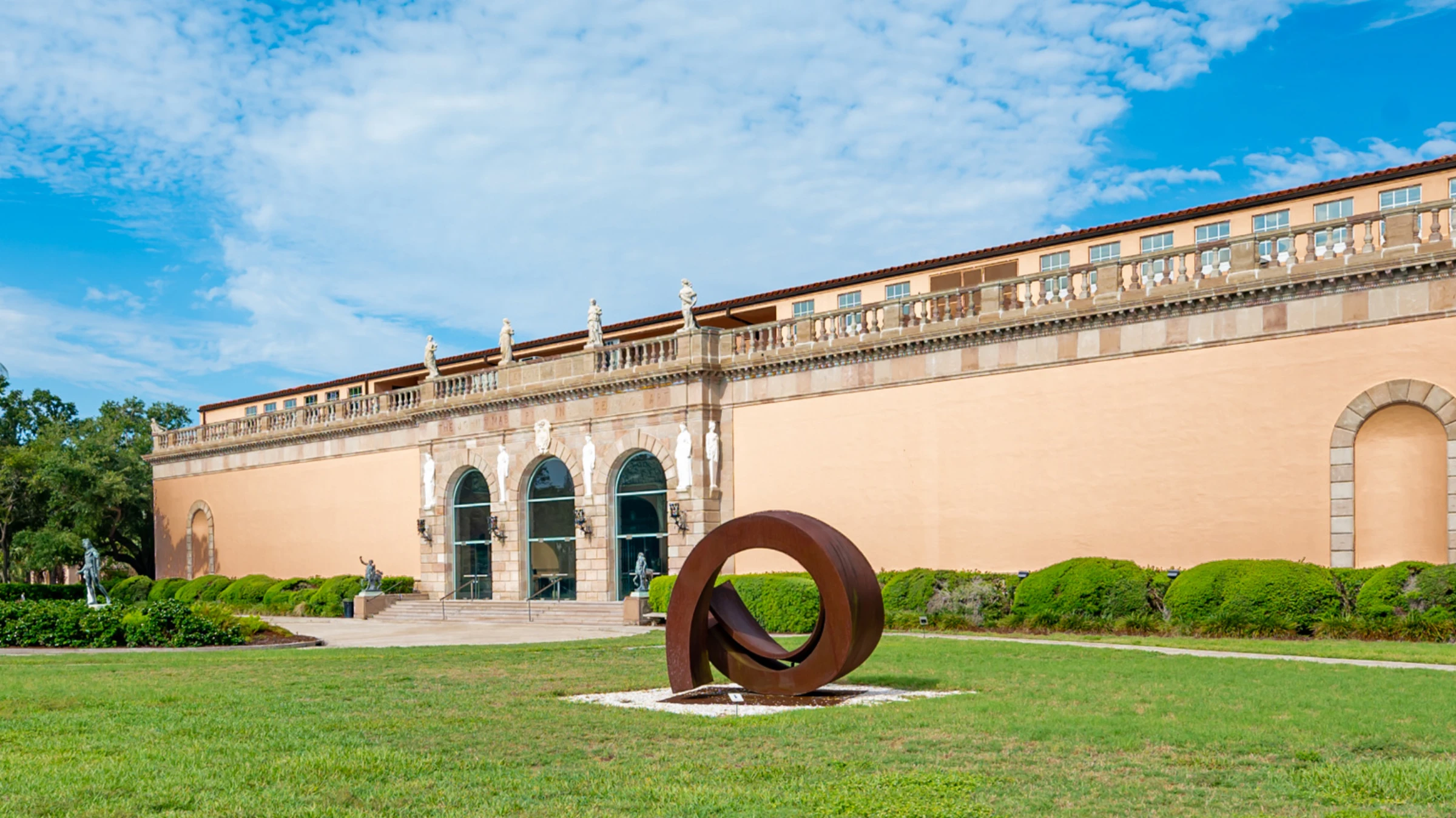
The pressure is not distributed evenly. Institutions in cross-border ecosystems, where weekend and short-stay travel from Canadian cities has long supported attendance, are taking the first hit. In Buffalo, where the Buffalo AKG Art Museum has historically counted Canadian visitors as a reliable share of traffic, leadership has reported a marked decline. In Maine, the Portland Museum of Art has also reported reduced numbers from Canada. In Florida, museums including The Ringling and Vizcaya have similarly tracked lower Canadian presence during peak winter months.
What changed is not only airfare or exchange rates. Political rhetoric, trade friction, and border-related uncertainty are now functioning as culture-market variables. For institutions, that means audience volatility can no longer be treated as a pure leisure trend. It has become a policy-sensitive risk class that can affect admissions, retail performance, and member conversion in the same quarter.
The immediate institutional response has been tactical substitution. Museums with strong local pipelines are leaning harder into resident audiences, school partnerships, and repeat programming. This is visible at The Ringling, where domestic and local efforts have helped offset some international softness. But substitution has limits, especially for museums whose annual forecasts were built around seasonal inbound travel from Canadian provinces.
For directors and CFOs, the problem is less headline attendance than revenue mix. International visitors are often overrepresented in paid admission, food and beverage spending, and gift-shop transactions. If those visitors fall off while free-access cohorts rise, gross footfall can appear stable while operating margins tighten. This is one reason museum leadership teams are increasingly integrating tourism intelligence into budget planning rather than leaving it to marketing after the fact.
There is also a curatorial implication. In border-adjacent cities, Canadian visitors have shaped audience behavior for years, including which exhibitions overperform and which public programs draw mixed-nationality crowds. A sustained decline may push institutions toward more domestically calibrated content calendars, not necessarily by design, but by financial necessity. That shift could reduce cross-border cultural exchange at exactly the moment political narratives are already straining it.
Tourism campaigns that frame the US as welcoming to Canadian travelers are likely to continue, but museums will need more than promotional messaging. Durable response requires data segmentation by origin, clearer travel-friction monitoring, and scenario planning for prolonged softness in international flows. Institutions that treat this as a temporary communications problem will lag. Institutions that treat it as structural audience reconfiguration will adapt faster.
The next six to twelve months are decisive. If Canadian visitation remains depressed, museums may reprice assumptions around blockbuster economics, winter staffing, and destination partnerships. If flows recover, the current episode will still leave a lesson: international cultural audiences are not an automatic constant. They are contingent, and museum strategy has to be built accordingly.