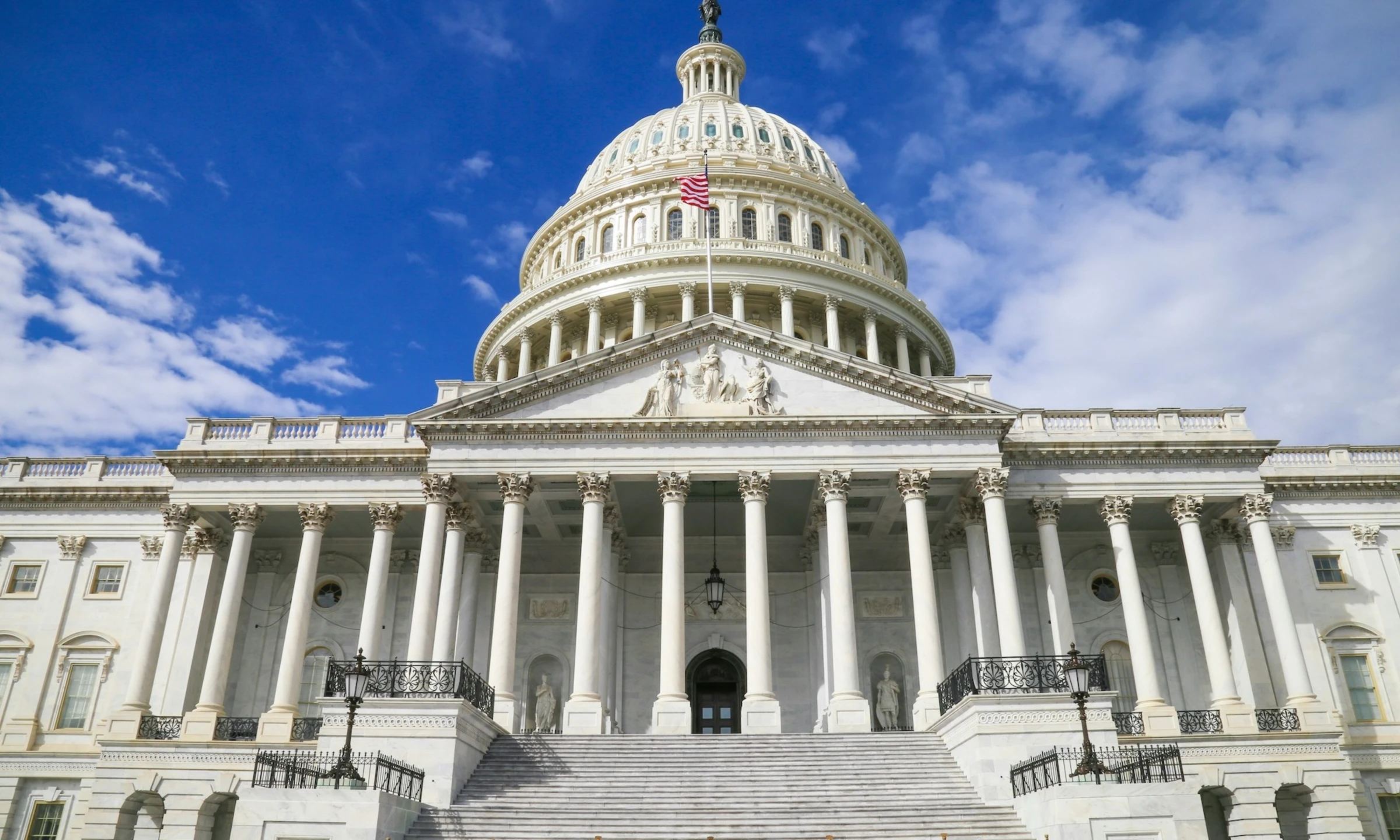
US Congress Passes Expanded HEAR Act for Nazi-Looted Art Claims
Congress has approved a strengthened HEAR Act that removes multiple procedural defenses in Nazi-era restitution suits, shifting more claims toward merits-based adjudication.
The US Congress has approved an expanded Holocaust Expropriated Art Recovery Act, clearing the measure for enactment and reshaping the litigation landscape for Nazi-era restitution claims. The updated law preserves the six-year discovery framework while removing several procedural defenses that have often blocked cases before courts reached substantive ownership questions.
For decades, heirs and advocates argued that restitution litigation was routinely derailed by technical doctrines rather than factual assessment of wartime dispossession. The revised act attempts to reverse that pattern by reducing non-merits dismissal pathways and extending the statute without a sunset expiration.
Supporters frame the bill as a justice correction: if claims are credible, they should be heard on evidence. Critics within museum governance circles warn that broad defense restrictions could increase uncertainty, litigation costs, and diplomatic friction in suits involving foreign states or cross-border provenance histories.
The practical consequence is immediate for institutions with gaps in 1933-1945 ownership chains. Boards, legal teams, and directors will need to revisit risk assumptions and strengthen documentation quality. Provenance research moves from reputational best practice to legal exposure management.
Readers tracking the law itself can review the bill record at Congress.gov. For ethical standards already in circulation, the Association of Art Museum Directors and the Commission for Looted Art in Europe remain key reference points.
The broader governance tension is unresolved. Museums depend on title stability for loans, insurance, and fiduciary planning; families pursuing restitution point out that stability built on procedural exclusion is ethically compromised. The revised HEAR framework pushes that conflict back into courtrooms, where evidence rather than timing should carry more weight.
Expect increased pre-litigation settlements, deeper archival requests, and more pressure for transparent claim-handling protocols. Institutions that still treat provenance as a communications issue rather than a core collections function will likely face accelerated reputational and legal risk.
This development also intersects with public trust. Museums have spent the past decade asserting values of accountability, inclusion, and historical rigor. Restitution practice is where those values are tested operationally, not rhetorically. A stronger legal pathway for claims will expose the gap between policy language and institutional behavior.
For the field, the signal is blunt: unresolved wartime histories are not receding. They are re-entering mainstream governance. Institutions that invest now in transparent records, independent research capacity, and fair claims frameworks will be better positioned than those relying on legacy legal insulation.
There is also a communications dimension that institutions often underestimate. Claimant families now operate in an environment where archival documents, court filings, and investigative reporting circulate quickly. A defensive posture that once remained internal can become a public-trust crisis within days.
Museums preparing for this shift should benchmark against stronger disclosure practices already visible at institutions with robust provenance portals, including the National Gallery of Art and comparable transparency initiatives across Europe. The point is not perfect certainty; it is visible good-faith process.
Long term, the revised HEAR framework may do what prior policy could not: force a structural convergence between legal strategy and ethical stewardship. If that happens, the art field may finally move from episodic restitution drama toward a more durable culture of accountable ownership.