UK Debate on Charging Overseas Museum Visitors Shifts to Digital ID and Equity Risk
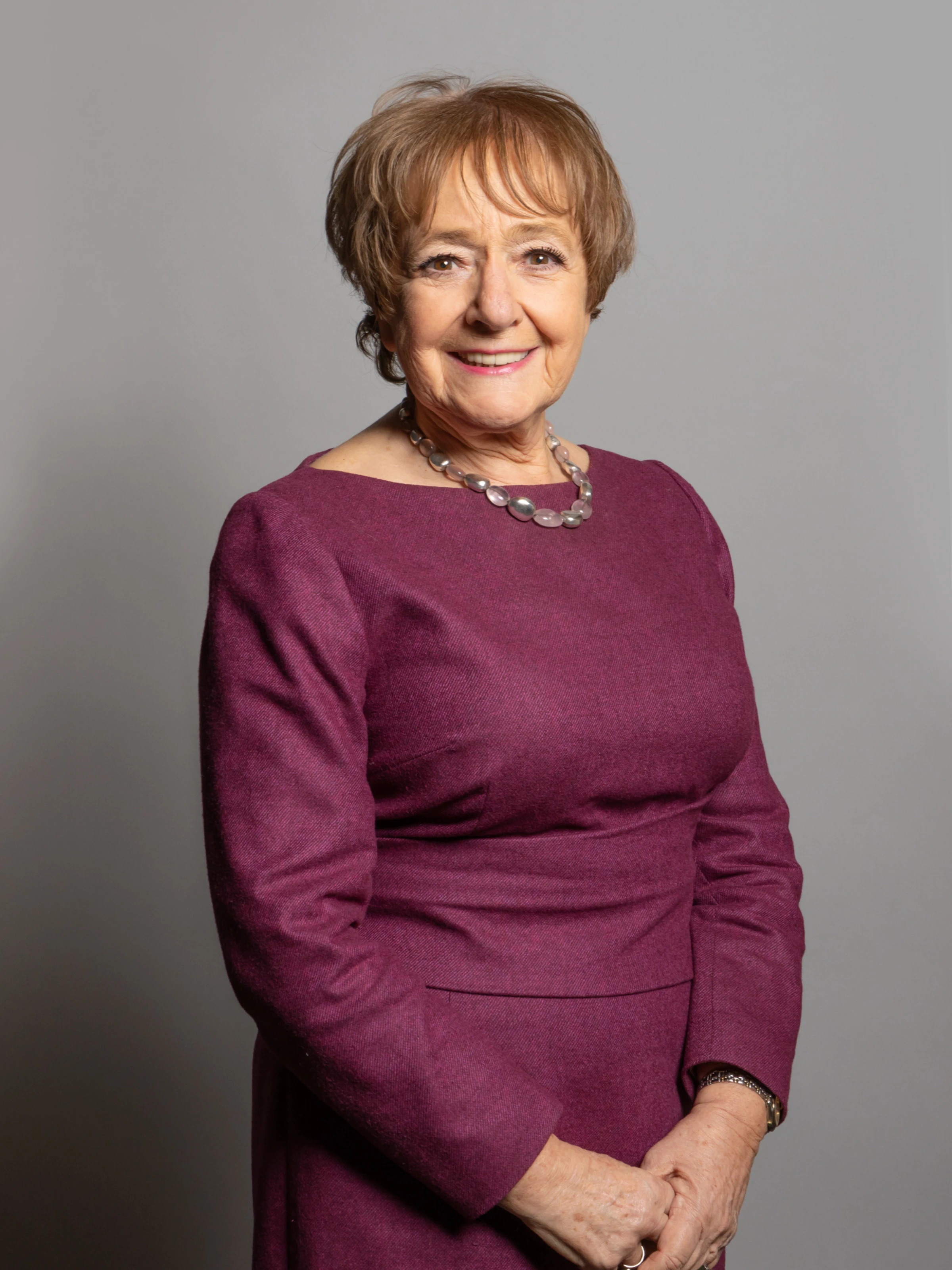
Baroness Margaret Hodge says charging international visitors at England's national museums should not proceed without universal digital ID checks, reframing a revenue proposal as an inclusion and governance problem.
The argument over charging overseas visitors at England's national museums has moved from culture-war slogan to implementation detail, and that detail is now the point. Baroness Margaret Hodge, whose review of Arts Council England triggered renewed attention to differential charging, told parliament that she would oppose the policy without universal digital ID checks. In practice, that condition reframes the proposal. It is no longer simply a question of whether museums should monetize tourist footfall. It is whether the state can administer identity verification at scale without profiling, friction, and reputational damage at the museum door.
Hodge's concern is blunt and operational. Front-desk staff should not be pushed into making visual judgments about who counts as a foreign visitor. Without an identity infrastructure, selective charging creates obvious risk of discriminatory treatment and public controversy that would outweigh relatively modest financial upside. According to the figures discussed in the debate, annual revenue potential is under £10 million, a sum that may sound meaningful in a squeezed arts climate but remains small against national collection maintenance, staffing, and capital needs. If the mechanism to raise that money undermines trust in free public museums, the policy fails before it starts.
The bigger signal in this debate is fiscal, not ideological. UK cultural leaders are acknowledging that public subsidy remains structurally thin relative to peer systems. Hodge compared current support levels unfavorably with major continental benchmarks and argued for a wider toolkit that includes philanthropy incentives and changes to how regular portfolio funding is allocated. Government has broadly endorsed reform momentum while preserving the arm's-length principle that separates funding judgments from direct political control. For institutions, this means strategic planning cannot rely on one dramatic policy switch. It has to combine earned income, donor development, and governance discipline across multiple years.
The museum side has already drawn a red line around mission optics. Outgoing Tate director Maria Balshaw has publicly questioned the logic of charging visitors from abroad to view objects often acquired through imperial routes. That critique resonates because it touches current restitution and legitimacy debates that institutions are already managing with limited slack. A selective fee could be interpreted as a financial patch, but it could also be read as a symbolic closing of access precisely when museums are claiming broader civic openness.
For boards and executive teams, the actionable takeaway is straightforward. Model three scenarios now: no charging, charging with weak verification, and charging with robust identity infrastructure and clear exemptions. Only the third can survive scrutiny, and even that scenario requires serious investment in visitor systems, staff training, and public communication. Institutions should also watch developments in parliamentary committees such as the Communications and Digital Committee and cross-reference any charging proposals against broader digital identity policy from the UK government.
In the near term, this is less a museum admissions story than a governance stress test. The political appetite to extract more value from cultural infrastructure is real. So is institutional anxiety about fairness, audience trust, and implementation burden. Hodge's intervention effectively says the same thing many museum operators have said privately for months: if the state wants targeted charging, it must first build the systems that make targeted charging administratively coherent and socially defensible. Until then, free entry remains the cleaner policy, even in a period of financial pressure.