UK museums face new pressure after investigation finds 263,000 human remains in collections
A major UK investigation into museum holdings of human remains has intensified calls for repatriation, stricter ethics standards, and a shift from possession-led collection logic to community-led governance.
An investigation reported this week has put a hard number on a long-running ethical fault line: more than 263,000 items of human remains are held across UK museums, universities, and local authorities. The scale alters the conversation. What was often treated as a specialist issue in anthropology and archaeology now sits squarely in national cultural governance.
The count includes skeletons, skulls, bones, mummies, and partial remains, with tens of thousands identified as originating outside the UK, many from former colonies. The headline number matters because it reframes holdings from isolated departmental inventories into a structural legacy of extraction and institutional accumulation.
Scholars and community representatives have argued for years that policy language has moved faster than practice. Most institutions now have ethical guidelines, but implementation remains uneven, particularly when provenance is fragmentary and legal ownership is technically clear while moral legitimacy is not.
For museums, the pressure point is shifting from display to governance. Whether remains are in galleries or in stores, the central question is who has standing power over decisions about care, research access, and return. Consultation is no longer enough if it does not alter decision rights.
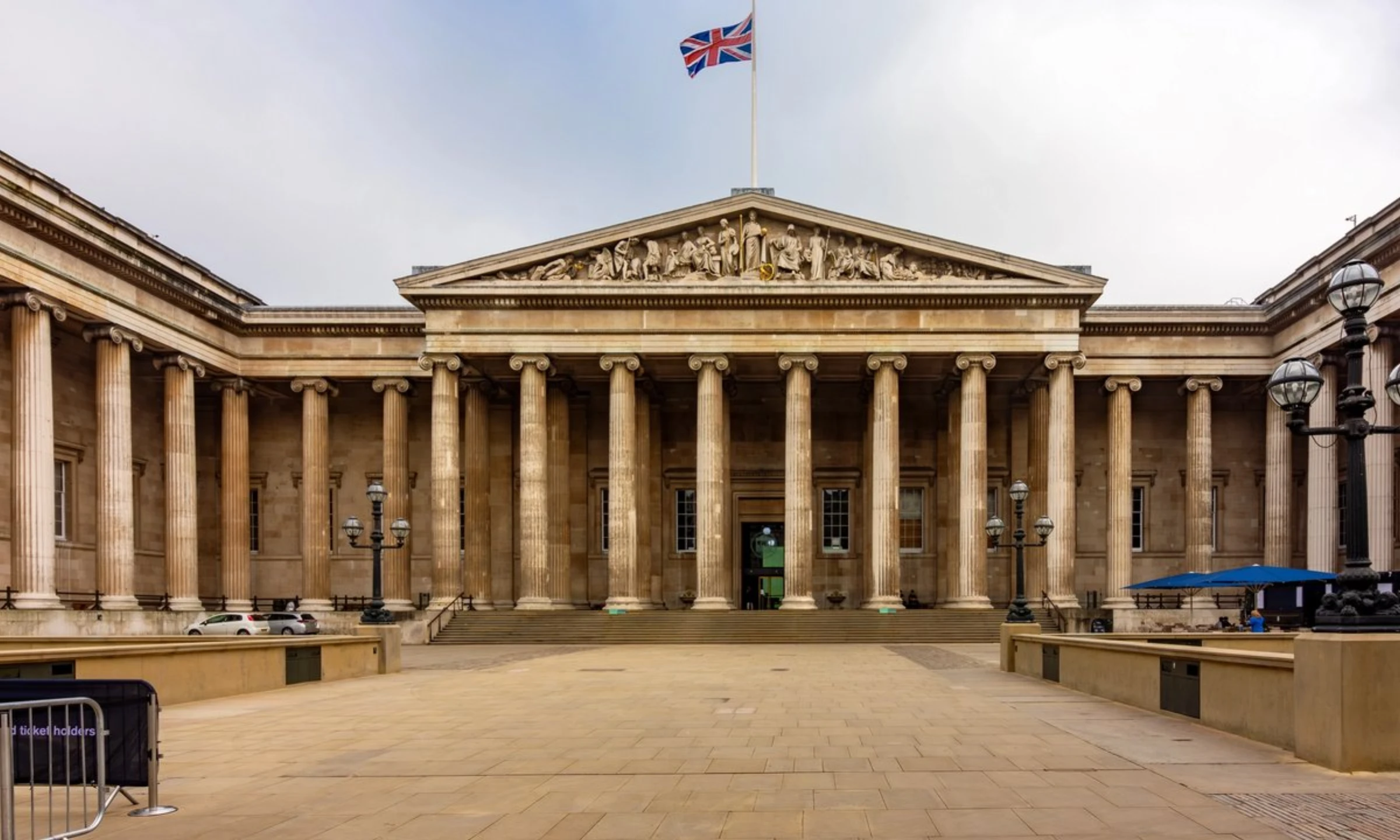
Institutions such as the British Museum, university collections, and regional authorities are now being asked to publish clearer data on what they hold and under what terms. Without transparent inventories, claims processes remain asymmetric and communities cannot effectively advocate for ancestors.
The political context has also changed. Repatriation debates that once moved slowly through bilateral diplomacy are now linked to broader conversations about restitution, decolonization, and public accountability. Legislators and funders are increasingly willing to treat human remains policy as a measurable governance issue rather than a curatorial preference.
There is a practical layer too: provenance research is labor-intensive, underfunded, and frequently dependent on records produced by the same colonial systems now under scrutiny. If governments expect faster outcomes, they will need to fund specialist teams and long-horizon collaborations, not only issue statements of principle.
Display ethics remain contested. Some argue that educational framing can justify exhibition; others insist that ancestors should not be used as interpretive material in institutions that still retain unilateral control. The strongest current position in the field is toward default non-display unless communities explicitly support public presentation.
For audiences, this is not an abstract policy debate. It is a question about what museums are for: storage and authority, or shared memory under negotiated terms. Organizations including the Museums Association and the Arts Council England will likely face pressure to tighten sector standards.
The next phase will be judged by outcomes, not rhetoric: published inventories, timetabled claims pathways, and documented transfers where communities request return. If institutions cannot produce those mechanisms quickly, the legitimacy gap will widen.
In 2026, the threshold has moved. Ethical intent is baseline. The field is now being asked for structural change that can be audited, challenged, and sustained beyond individual director tenures.
Internationally, UK decisions will influence peer institutions in Europe and North America that hold similar collections assembled through imperial-era networks. If British museums adopt enforceable timelines and shared governance mechanisms, they could move the field from symbolic debate to practical precedent. If they do not, legal and reputational pressure will likely accelerate anyway.