UK Museums Face New Scrutiny Over Human Remains Held in Collections
A Guardian investigation found UK institutions collectively hold more than 263,000 human remains items, intensifying pressure around inventories, provenance, and repatriation accountability.
A new investigation has renewed pressure on UK museums, universities, and local authorities over collections of human remains tied to colonial extraction. Reporting cited by Artforum indicates that institutions across the country hold more than 263,000 items, including large numbers from outside Europe and many holdings with incomplete records. The headline number alone is significant, but the deeper issue is documentation and accountability.
The findings stem from Freedom of Information responses gathered by The Guardian, then analyzed by researchers and commentators including Oxford archaeologist Dan Hicks. Of the institutions identified as custodians, only a portion could provide exact figures for individuals represented in their collections. Others reported missing data, uncertain provenance, or records where remains from multiple people were mixed or undocumented.
For critics, that uncertainty is not merely technical. It reflects how these collections were assembled in the first place. Human remains were often removed under conditions of imperial violence, scientific racism, unequal legal power, or direct coercion. When institutions fail to establish transparent inventories now, they can appear to be extending that same logic of objectification into the present administrative era.
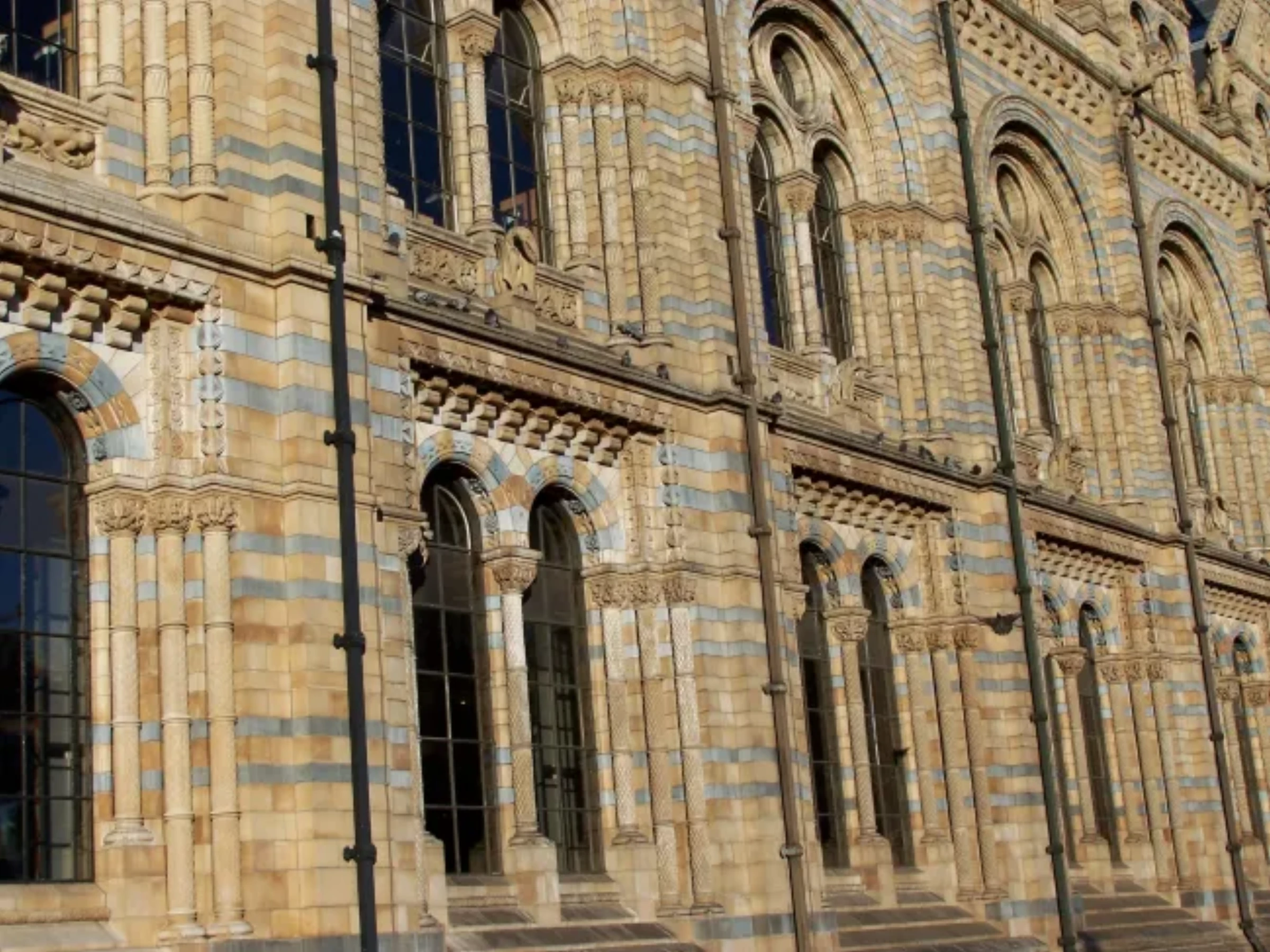
The geographic distribution reinforces this reading. Substantial holdings are reported from Africa, Asia, Oceania, North America, and South America. Large institutions such as the Natural History Museum, the University of Cambridge, and the British Museum all feature in the discussion due to the scale and complexity of their collections.
Parliamentary voices have sharpened the moral language around the issue. Bell Ribeiro Addy, who chairs the all party parliamentary group for Afrikan reparations, called out what she described as a denial of dignity in how remains are kept and catalogued. That framing is increasingly common across restitution debates, where policy is no longer judged only by legal defensibility but by ethical coherence and procedural transparency.
Museums are now under pressure to move beyond generic statements about difficult histories. The practical expectations are clearer: publish inventories, identify provenance where possible, establish independent review procedures, consult descendant communities, and create workable repatriation pathways with defined timelines. Institutions that delay on those fronts risk escalating reputational damage, especially when external reporting continues to expose data gaps.
The wider implication for the art and heritage sector is that collection governance standards are changing quickly. Questions that were once treated as specialist concerns inside anthropology departments now shape broader cultural legitimacy. Donors, audiences, and partner institutions increasingly evaluate museums by what they can prove, not what they claim to value.
This is why the current moment matters. The controversy is not only about the volume of remains in storage. It is about whether UK institutions can build transparent, public facing systems that acknowledge colonial violence and act on it. Without that shift, museums will continue to frame themselves as stewards of history while failing one of the most basic tests of ethical stewardship in the present.