Art Fund Museum of the Year Shortlist Signals a New Institutional Arms Race in the UK
The 2026 shortlist, led by V&A East Storehouse, points to a competition over access, redevelopment impact, and public value metrics.
Art Fund has announced its 2026 Museum of the Year finalists, and the shortlist reads less like a popularity contest than a snapshot of where UK institutions are placing their strategic bets. Alongside the V&A East program, the list includes the National Gallery, The Box, Plymouth, the Fitzwilliam Museum, and Norwich Castle Museum & Art Gallery.
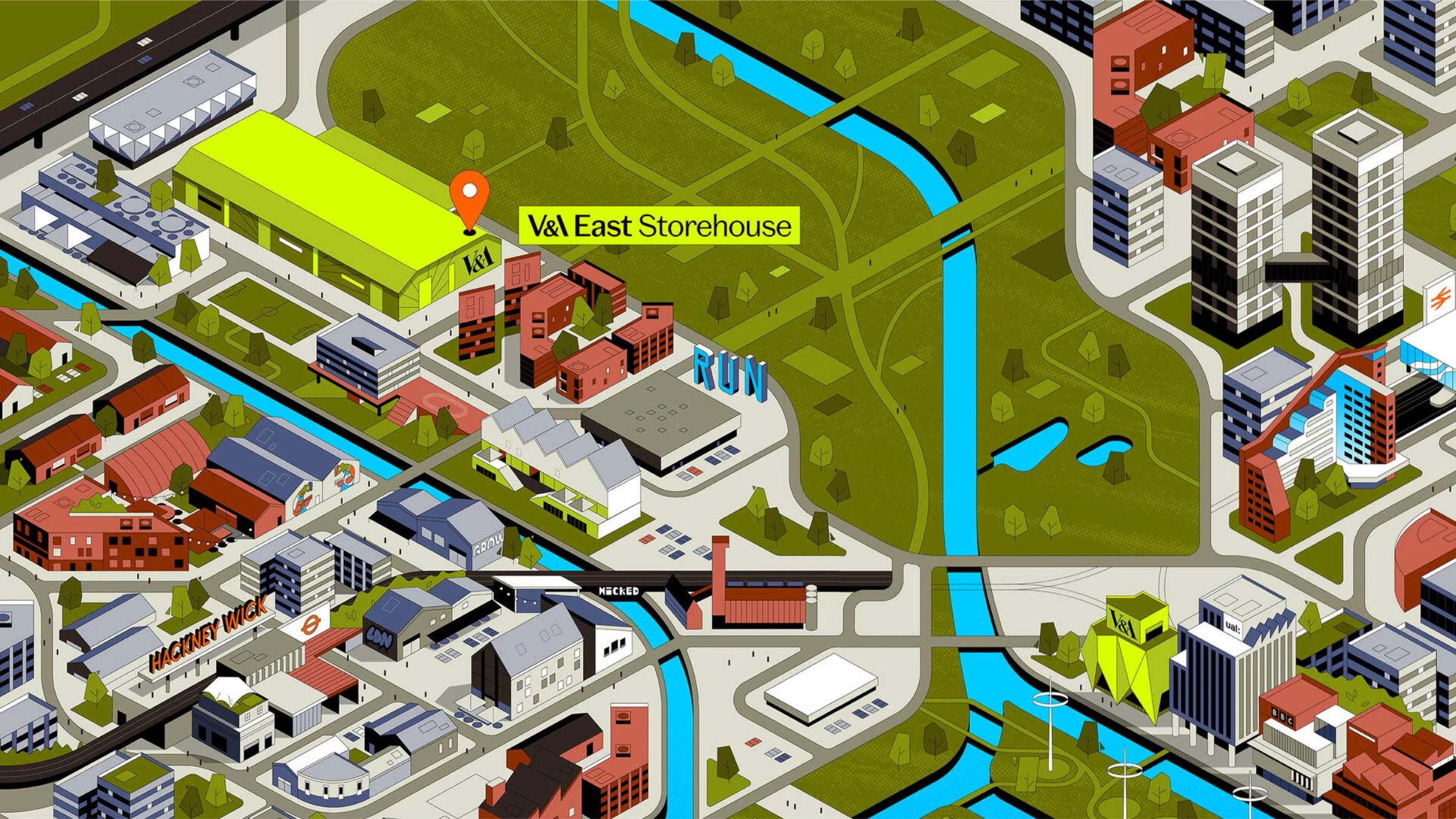
The headline candidate is V&A East Storehouse, framed as a rethinking of the museum storeroom model. Instead of positioning collections storage as invisible technical infrastructure, the project foregrounds access and proximity, making preservation and display part of the same public encounter. If that approach wins, it will confirm a broader institutional pivot, fewer symbolic expansions, more investment in visible backend systems that can be narrated as democratic access.
The rest of the shortlist reinforces the same direction. The National Gallery's bicentenary year has been judged not only on exhibitions but on how effectively a major national collection refreshed its infrastructure and audience contract. The Box's economic impact claims in Plymouth place museum value in municipal terms, footfall, spend, and local cultural confidence, while the Fitzwilliam's artist interventions show how collection reinterpretation can function as governance critique, not just programming garnish.
Norwich Castle's inclusion is notable because it foregrounds accessibility as a core metric rather than a compliance afterthought. In a prize landscape often dominated by scale and donor profile, this reframes institutional excellence around who can physically and cognitively use the site. For UK boards and funders, the message is clear: accessibility projects now sit inside prestige narratives, not outside them.
The £120,000 winner's award, plus grants for the remaining finalists, is modest relative to capital budgets, but the reputational effect is substantial. Museum of the Year status influences philanthropic conversations, local authority confidence, and the ability to recruit senior leadership. In a tight funding climate, those signals can shape programming scope for multiple seasons.
The shortlist also marks an ideological shift in how cultural institutions justify expansion. The strongest candidates are not presenting growth as spectacle. They are presenting growth as service architecture, storage made legible, collections reinterpreted, buildings reworked for broader publics, and measurable local return. Whether that model remains substantive or slips into branding language will depend on what follows after award season, staffing levels, ticketing policy, and long-term commitment to access once launch attention fades.
For collectors and trustees, the shortlist is useful as a due-diligence map. Track which institutions convert capital investment into sustained program quality, and which rely on launch-year publicity. Watch indicators like repeat visitation, scholarly output, and how newly accessible spaces are actually used. The finalists already show different models, from bicentenary reinvention at the National Gallery to community-centered regional strategy at The Box.
In that sense, this year’s award is less about one winner than about institutional method. Museums that can align scholarship, access, and civic relevance will define the next funding cycle. Those that cannot may still draw crowds, but they will struggle to justify expansion in a policy environment increasingly focused on demonstrable public benefit.