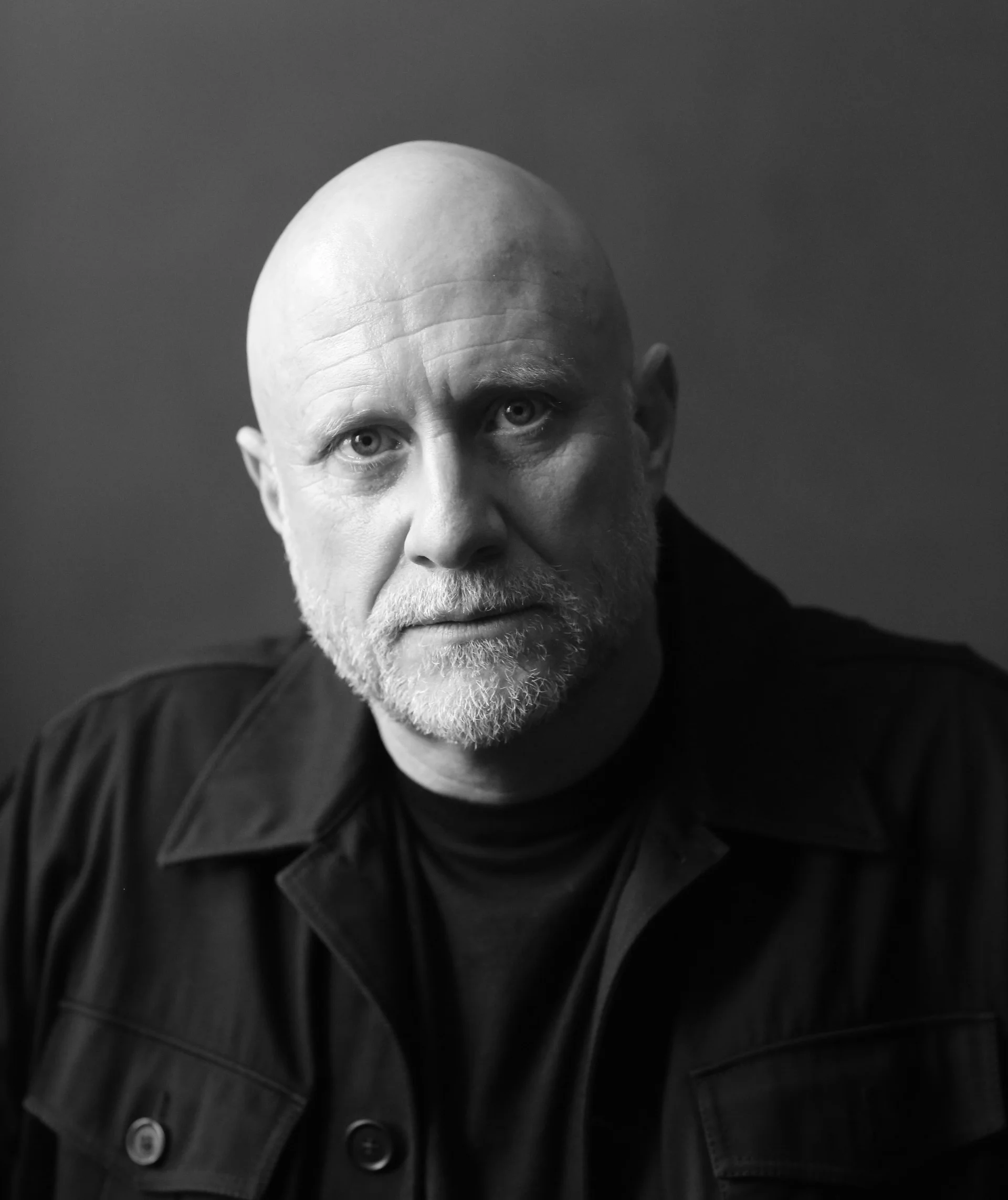
Trevor Paglen Wins the 2026 LG Guggenheim Award, as Art and AI Accountability Move to Center Stage
The Guggenheim and LG named Trevor Paglen the 2026 award recipient, putting institutional weight behind art that interrogates surveillance and machine vision.
The Solomon R. Guggenheim Museum and LG have named Trevor Paglen the 2026 recipient of the LG Guggenheim Award, with a $100,000 unrestricted honorarium. The headline number matters, but the larger signal is curatorial. A major US museum and a global technology company are again using this award platform to privilege artists who make technical systems legible to the public, especially systems designed to disappear into everyday infrastructure.
Paglen has spent years tracking that disappearing act. His work has moved between photography, sculpture, software-informed installations, and writing, while returning to a consistent question: who controls the machine layer that now mediates seeing, sorting, classifying, and governing. In museum terms, this places him in a practical lineage with artists who translate institutional power into visual form, except the institutions at stake here include cloud platforms, model pipelines, and contractor-heavy surveillance architectures rather than only state archives or city planning departments.
The jury’s framing, praising Paglen for bringing public access to opaque systems, is notable because it aligns with pressure now facing many museums: visitors no longer experience technology as neutral context. They encounter facial recognition in airports, predictive systems in labor markets, and algorithmic ranking in culture itself. When an award jury validates work that surfaces those mechanics, it effectively endorses a curatorial duty to explain the technical conditions of public life rather than treating them as background noise.
The award also lands at a moment when the Guggenheim’s own art-and-technology architecture has become a meaningful institutional laboratory. Through initiatives connected to the LG Guggenheim Art and Technology Initiative, the museum has had to reconcile conservation, display, and interpretation challenges common across contemporary collections. Works that depend on code, data dependencies, or quickly obsolete hardware force acquisition and stewardship teams to think in lifecycle terms, not only object terms.
Paglen’s upcoming lecture-performance at the Guggenheim in May, alongside the release of his new book on machine perception, suggests this award cycle will be less about a single ceremony and more about a sustained public argument. That matters for institutions trying to hold audience attention beyond opening-week optics. Programming that links exhibition, live discourse, and publishing remains one of the few durable methods for building understanding across specialist and general audiences.
For collectors, the appointment reinforces a market reality that has matured over the past five years. The strongest art-and-technology practices are no longer priced or discussed as novelty categories. They are being collected within broader contemporary portfolios, often by buyers who care as much about conceptual durability and institutional circulation as they do about medium buzz. Paglen’s representation through Pace Gallery reflects that transition from peripheral experimentation to blue-chip discourse.
For curators, this award offers a benchmark: projects that critically address AI and surveillance can carry intellectual seriousness and broad public traction when installed with formal rigor instead of explanatory clutter. Paglen’s work is often strongest when viewers are not handed a thesis before they encounter the image, but are drawn into uncertainty first, then asked to parse what kind of vision system is operating and who benefits from it.
In practical terms, the 2026 award confirms that institutions are moving from tech-themed programming toward structural critique of technical power. That is a harder editorial and curatorial lane, but also the one now demanded by audiences that are informed, skeptical, and unwilling to separate aesthetics from governance. If the field needed another sign that machine culture is now core cultural material, this announcement provides it.