The Hole’s Payment Disputes Expose the Cost of Fast Expansion in a Slower Market
A wave of rent disputes and delayed artist payments around The Hole illustrates how post-boom expansion models are colliding with thinner demand and persistent operating costs.
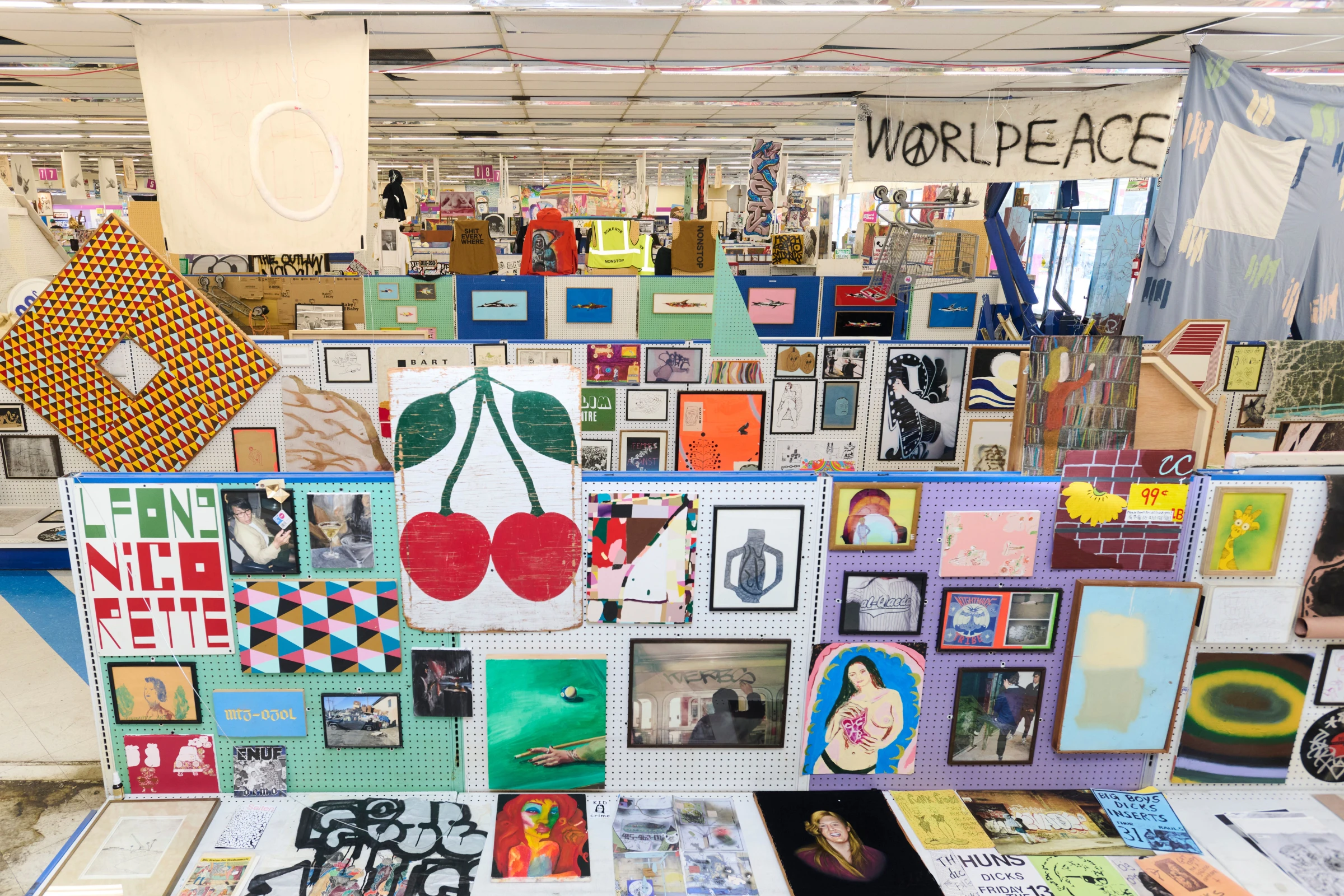
The dealer story around The Hole has shifted from expansion narrative to cashflow stress test. Legal filings describe rent arrears tied to the gallery’s New York locations, while artists and former workers report delayed payments and prolonged follow-up cycles. The gallery’s Los Angeles outpost has now closed, ending a multi-city push that once looked like a textbook growth move during the post-pandemic buying surge.
What makes this case instructive is timing. From 2021 through 2023, many mid-sized galleries scaled up footprint, fair participation, and staffing on the assumption that a new cohort of aggressive buyers would remain active. When demand cooled and financing conditions tightened, fixed overhead did not fall at the same speed. Rent, payroll, shipping, production support, and fair costs kept running, while sell-through became less predictable. In that environment, delayed artist payments become the first visible symptom of deeper working-capital pressure.
The Hole’s founder has publicly described a recalibration strategy focused on New York stabilization and cost reduction. That mirrors moves across the sector, where galleries have reduced fair calendars, exited secondary cities, and renegotiated leases. Recent pullbacks by other firms, including Sean Kelly and Tanya Bonakdar Gallery, indicate this is systemic, not isolated. The gap between market attention and operating resilience has widened: a gallery can draw crowds, generate social traction, and still struggle to meet payment obligations on a reliable timetable.
For artists, the practical issue is counterparty discipline. Consignment agreements and commission splits are only as strong as the gallery’s cash position and internal controls. Multiple accounts in this case describe uncertainty over payment timing, invoice follow-up, and discount transparency. That pattern places artists in the role of unsecured creditors, especially when sold works have already been delivered but settlement to the artist is deferred.
Collectors should also pay attention. A stressed gallery is not automatically a weak program, but cashflow pressure can distort behavior around discounting, urgency, and inventory movement. Buyers who want a stable long-term relationship with a dealer should ask basic operational questions before committing to high-value purchases: invoice timing, artist payment policy, title transfer mechanics, and whether reserve terms in consignments are being honored. These are not hostile questions, they are standard diligence in a maturing market.
Institutions face parallel risk on the exhibition side. Loans, commissions, and co-produced projects rely on counterparties that can fund execution through delivery. If a gallery is retrenching under pressure, museum project teams need stronger timeline controls and clearer escalation paths for production delays. The market has entered a phase where reputational prestige is no longer a reliable proxy for operational capacity.
The larger lesson is structural. Mid-market galleries now operate in a narrow corridor between brand-building expectations and thin margins. Expansion creates legitimacy, but it also multiplies fixed commitments that are difficult to unwind quickly. The Hole story is a clear example of how quickly that equation can invert. In 2026, the winning dealer model may look less like geographic sprawl and more like disciplined concentration, fewer fairs, tighter payment governance, and a business plan that assumes uneven demand as the default, not the exception.