The Box in Los Angeles Will Close After 19 Years, Marking Another Reset in the City’s Gallery Ecology
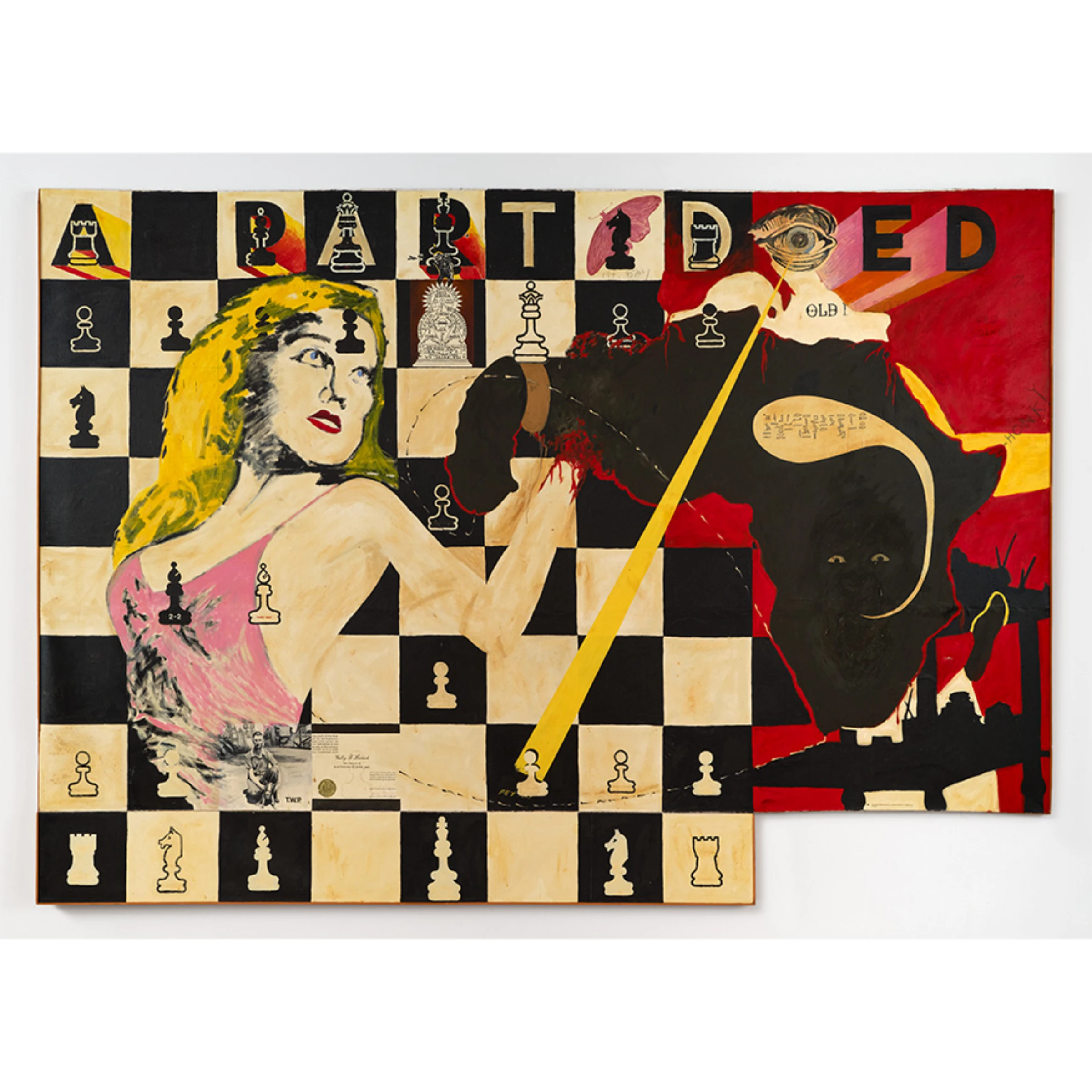
The Box announced it will close after nearly two decades, ending with a late-career Wally Hedrick collaboration and a final June program tied to Johanna Went.
The Box has announced it will close in Los Angeles after 19 years, ending a run that linked artist-led experimentation to a city market that has repeatedly shifted under pressure from rent, collector concentration, and fair-driven sales cycles. The closure follows a final two-venue collaboration with Parker Gallery dedicated to the late California artist Wally Hedrick, and will culminate in a June event around Johanna Went created with artist and playwright Asher Hartman.
At one level, this is a familiar post-pandemic story: galleries with strong identities facing an operating environment that rewards either substantial scale or highly optimized niche models. But reducing this to economics misses the structural effect of a closure. When a long-running program exits, artists lose not only wall space but continuity, curatorial framing, and the kind of long-memory advocacy that cannot be replicated by short-cycle project rooms.
Los Angeles has long supported plural gallery ecosystems, from international outposts to deeply local programs. The past five years have increased the gap between those layers. Real estate volatility, labor costs, and the pressure to remain visible in multiple fair circuits have made middle-position galleries especially vulnerable. In practice, that means fewer venues able to sustain difficult work that may not convert immediately into sales.
The Box’s final programming choices are notable in that context. A late-career and legacy-oriented focus on Wally Hedrick, followed by a performative close around Johanna Went, signals commitment to artists whose value is cultural before it is transactional. That editorial stance has become harder to maintain in a market where exhibition schedules are often shaped by liquidity requirements and collector traffic calendars.
For artists represented by closing spaces, the immediate issue is continuity of placement and stewardship. Estates and living artists alike need institutional introductions, publication support, and archival upkeep that often sit outside formal consignment contracts. The strongest outcomes usually happen when transitions are planned, with receiving galleries prepared to inherit context rather than only inventory.
Collectors should read this closure as a reminder that local gallery infrastructure is not permanent, even in major markets. If collectors value risk-taking programs, they need to support those programs while they are active, not only after market validation arrives elsewhere. Acquisition timing, publication underwriting, and introductions to museum curators all affect whether independent spaces can keep operating.
For Los Angeles, this is less an isolated event than part of an ongoing redistribution. Some artists will move to larger rosters, others to younger spaces, and some to hybrid models with project-based visibility. What matters now is whether the city can keep enough independent bandwidth for non-formulaic work. Without that layer, LA risks becoming a market with global volume but reduced artistic texture.
The final months of The Box therefore carry significance beyond closure logistics. They are a test of whether the local ecosystem can absorb a historically meaningful program without flattening its artists into generic market categories. The answer will be visible in where these artists land next, and in how much curatorial conviction survives the transition.