Southbank Centre’s £10m Repair Award Signals a New Phase in UK Cultural Infrastructure Funding
A £10 million award to London's Southbank Centre highlights how UK arts policy is shifting toward urgent infrastructure resilience, not just programming support.
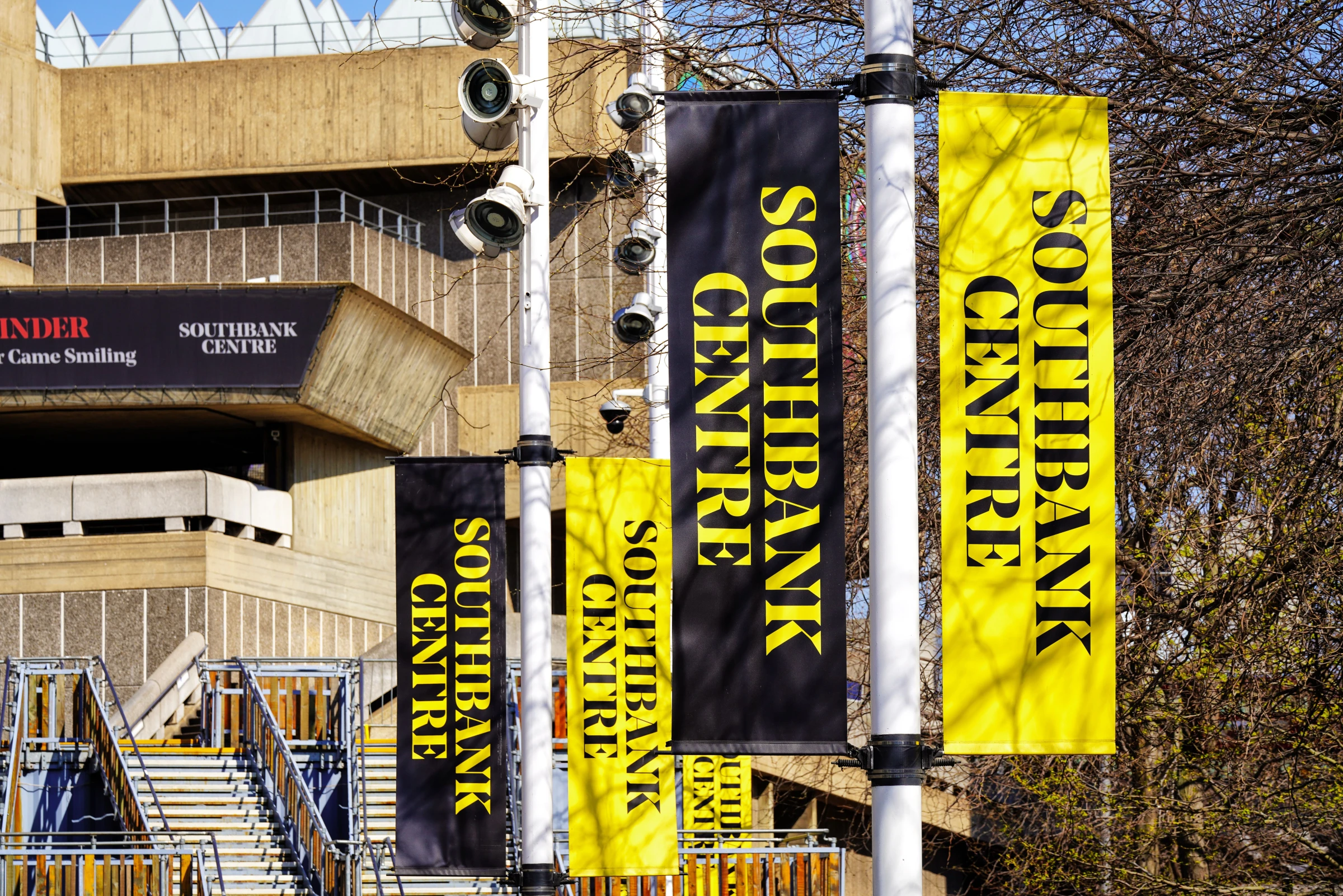
The UK government’s £10 million award to London’s Southbank Centre is one of the clearest signals this year that cultural funding is moving from emergency rhetoric to infrastructure triage. The money, delivered through the Arts Council England framework, is designated for urgent physical works including roofs, glazing, and rigging systems, the unglamorous systems that determine whether major venues can open safely each day.For observers outside the UK, the headline might read as a simple anniversary boost. It is more consequential than that. Southbank is one of the country’s most visible mixed arts campuses, and its maintenance burden reflects a wider institutional problem across Europe and North America: older buildings are now carrying larger public programming demands while operating in a higher-cost construction and utilities environment. Capital neglect now appears directly on programming schedules.The Southbank award sits within a broader £128 million package covering arts venues, museums, and libraries. In policy terms, that scale suggests government understands the risk profile. Deferred maintenance can quickly become operational shutdown risk, and shutdown risk can turn into audience and donor attrition. Once that cycle starts, institutions lose both earned revenue and credibility. Infrastructure spending in this context is not secondary to culture policy, it is culture policy.There is another strategic point in the funding criteria. Applicants are expected to demonstrate community relevance and delivery planning, effectively connecting building repairs to public value. That shifts the conversation away from preservation for its own sake and toward service continuity. If institutions want capital support, they have to show how those systems support audiences, access, and educational outcomes over time.The move also reframes board-level planning. Large institutions often separate artistic ambition from facilities planning, but that division is becoming harder to defend. Programming expansion without capital resilience creates fragile organizations. The Southbank decision suggests funders are now rewarding institutions that can link both sides of the ledger: mission and mechanics.For comparable institutions, the implication is clear. Repair backlogs need to be treated as strategic priorities, with transparent timelines, procurement discipline, and realistic contingency modeling. Public funders may be willing to support major works, but they are increasingly asking for concrete implementation capacity. In that environment, the best-positioned institutions are the ones that can present shovel-ready plans rather than aspirational statements.For artists and independent producers, this story matters too. Venue reliability affects commissions, rehearsal pipelines, and long-cycle production planning. When heating, staging, rigging, and envelope systems fail, artists absorb the uncertainty first. Reliable infrastructure is therefore not just an administrative win, it is a production condition for contemporary culture at scale.The Southbank award should be read as both a rescue and a benchmark. If this funding round produces visible delivery, it may define how future UK cultural capital rounds are structured. If it stalls in procurement complexity, confidence in large institutional asks could narrow quickly. Either way, the sector is now in a results phase where operational proof will matter as much as policy language.The infrastructure logic extends beyond London. Institutions such as BALTIC Centre for Contemporary Art and Firstsite are now competing for similar repair-led support. That competition pushes boards to present clearer maintenance roadmaps and sharper delivery accountability.For funders, the key performance test is operational continuity. If investments prevent closures, reduce emergency spend, and stabilize programming, this model becomes replicable. If not, future rounds will tighten. Either way, organizations that can document impact with transparent milestones will set the new standard for capital-era cultural governance.Institutions that delay facilities planning should take this as a warning. Capital degradation accumulates quietly, then surfaces all at once in cancellations, safety constraints, and rising insurance pressure. Treating maintenance as a core strategic line, alongside curatorial vision and audience growth, is now basic institutional competence.