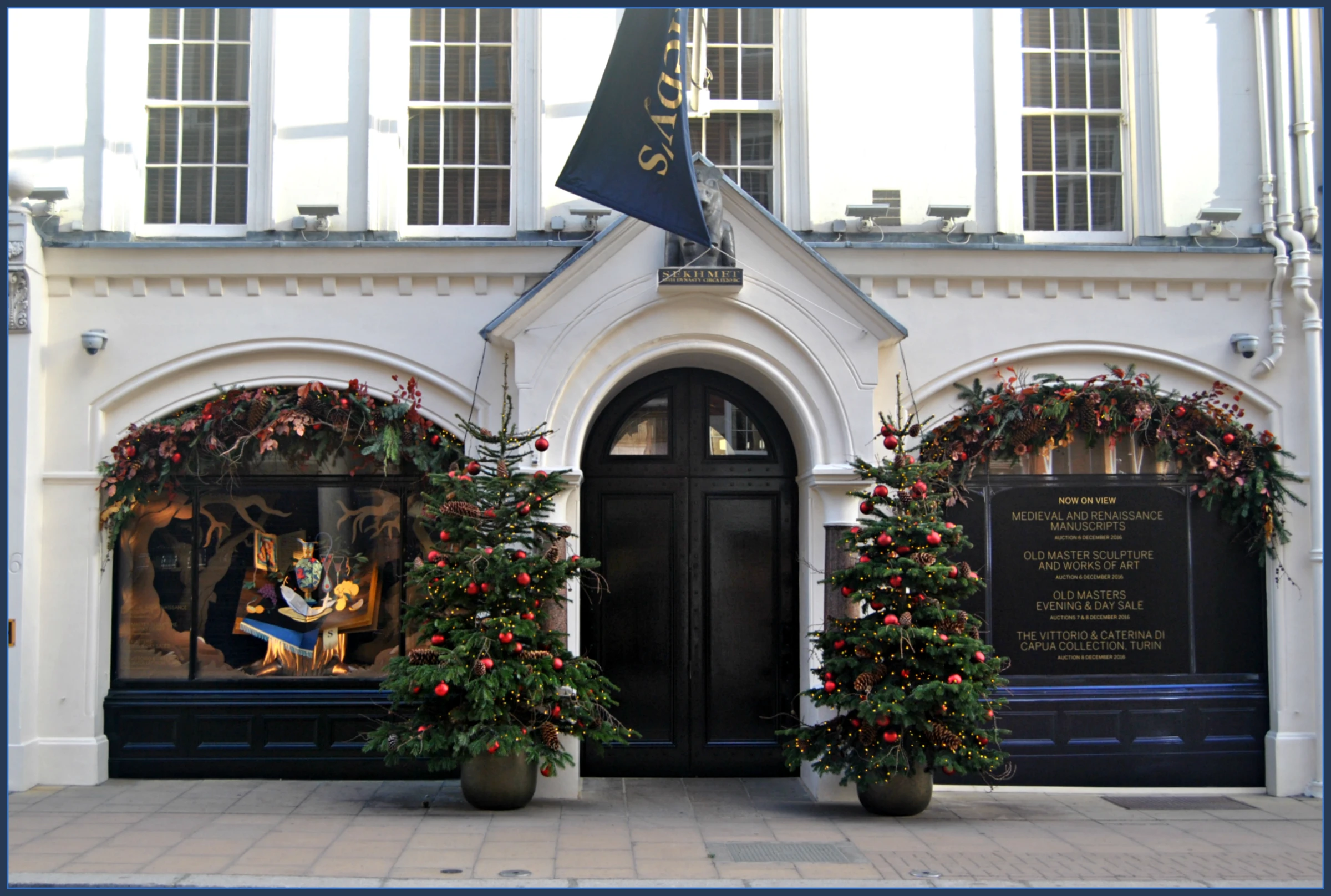
Sothebys Opens London Marquee Week With Modern and Contemporary Evening Sale
Sothebys starts London's March auction run with a closely watched evening sale that is being read as a demand test for premium consignments and cross-category buying confidence.
Sothebys is opening London marquee week with its Modern and Contemporary Evening Auction, setting the first major price signal of March for collectors, advisors, and lenders tracking confidence in top-end supply. The evening format matters because it concentrates competitive bidding, institutional visibility, and guarantee exposure into a narrow window where sentiment is visible in real time. In a season where buyers remain selective, the market is watching depth, not only records.
Pre-sale positioning from the house emphasizes range across established postwar names, twentieth-century anchors, and high-recognition contemporary works that can still pull cross-border interest. That mix is strategic. Recent cycles have shown that concentration in one style band can leave evening sessions vulnerable if participation narrows. A broader catalog can absorb volatility lot by lot, but only if estimates are pitched where both private and advisory-led bidders can engage without feeling forced into defensive pass behavior.
Specialists and private advisors describe this opening sale as an operational test for liquidity timing. Many buyers are approaching the week with strict sequencing, preserving firepower for Christie's and Phillips sessions that follow within forty-eight hours. That means Sothebys has to do more than present prestigious material. It has to convert early attention into executed bids before tactical buyers retreat to wait for potentially better entry points in adjacent sales.
Guarantees and third-party structures continue to shape expectations. In headline terms, guarantees reduce uncertainty around sell-through and can support confidence among consignors deciding whether to place in London rather than New York or Hong Kong. On the buy side, though, they can sharpen scrutiny around estimate realism and pre-sale momentum. If guaranteed lots clear with healthy bidding ladders, confidence expands. If they clear thinly, the room can quickly shift into valuation caution across unrelated works.
This opening session is less about one trophy result and more about whether buyers stay active through estimate bands across the full catalog.
For collectors active in both evening and day sessions, the opening results at Sothebys will likely influence behavior through the weekend. Strong competition in mid-estimate bands could encourage more participation in later catalog tiers, especially where provenance and freshness are clear. A flatter outcome could push buyers toward opportunistic day-sale strategies, waiting for less theatrical environments where pricing discipline is easier to maintain and advisory mandates are easier to execute quietly.
Institutional observers are also tracking bidder geography. London retains a unique role as a meeting point for European, American, and Middle Eastern capital, but participation quality now depends on practical factors as much as prestige, currency moves, travel schedules, compliance timing, and settlement logistics. A healthy bidder mix tonight would reinforce London's position as a spring hub rather than simply a ceremonial stop between larger global centers.
Whether the session produces a major headline lot or not, the deeper read will come from rhythm: how quickly bids open, where increments stall, and which sectors outperform estimate expectations. That pattern often predicts the week more accurately than any single top number. Sothebys can set a confident tone here, but the market will judge success by breadth of engagement across the list, not by one dramatic finish at the top of the rostrum.
Another factor is post-sale liquidity signaling. Dealers and advisors often read immediate private follow-up activity as a stronger confidence indicator than hammer headlines. If post-sale interest remains active around unsold or underbid lots, it suggests buyers still have appetite but are insisting on tighter entry levels rather than stepping away entirely.