Romania’s Stolen Coțofenești Helmet Is Recovered, Resetting the Security Debate Around Traveling Antiquities
After a headline museum theft in the Netherlands, the recovery of Romania’s Coțofenești helmet shifts attention from celebration to cross-border security accountability.
The reported recovery of Romania’s Coțofenești helmet ends the emergency phase of one of Europe’s most scrutinized museum theft cases, but it does not end the institutional reckoning that follows a breach at this level. The helmet, a 2,500-year-old gold object regarded in Romania as a national treasure, was stolen after attackers forced entry into the Drents Museum in the Netherlands in early 2025. Recovery matters politically and culturally, yet the larger question now is whether the cross-border loan system can demonstrate credible reform instead of temporary relief.
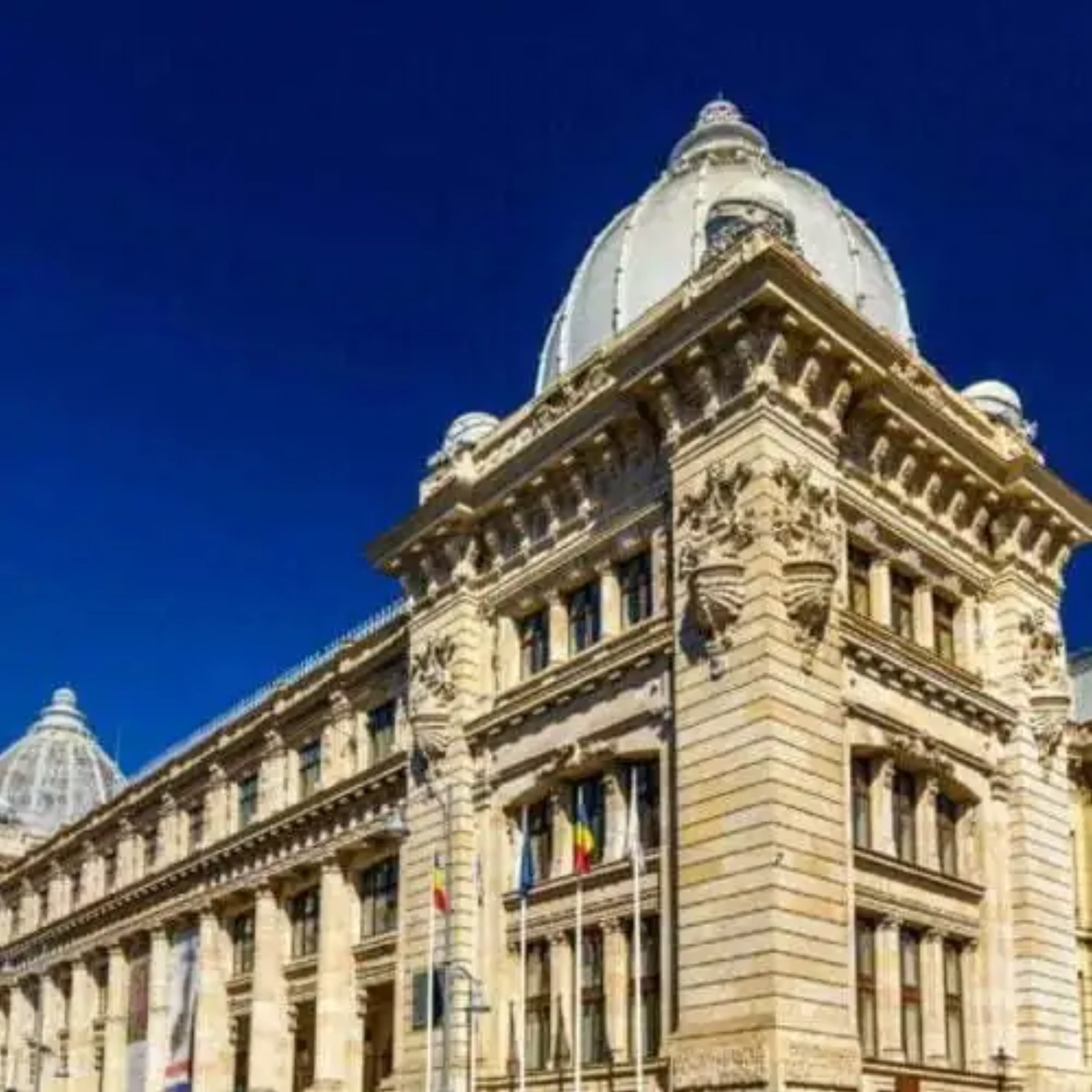
The helmet belongs to the National Museum of Romanian History, where it functions as more than an archaeological artifact. Objects at this level are treated as public trust assets that carry state symbolism. When they are lost, the damage is not limited to insurance, conservation, or transport liability. Trust in lenders, host institutions, and ministries also erodes, and the reputational aftershocks can outlast the criminal case.
The break-in at the Drents Museum quickly became a live stress test for international cooperation. Antiquities of this profile are hard to liquidate legally, but they are vulnerable to rapid movement, coercive private channels, and mishandling. Recovery therefore cannot be read as proof that the existing risk model is sufficient. It only proves that a blend of enforcement pressure and intelligence eventually worked.
The practical consequences are immediate. Lending agreements for high-value antiquities are likely to be rewritten around stricter venue hardening, tighter transport controls, and explicit response timelines after any incident. Contract language that used to rely on broad claims of museum-standard security is being replaced by measurable obligations: how quickly police are alerted, which areas are physically isolated, what redundancy exists in alarm and surveillance systems, and who has decision authority when crisis conditions unfold.
Romanian authorities now have strong political incentives to tighten outbound loan conditions, including shorter borrowing windows, higher indemnity thresholds, and enhanced inspection rights while objects remain abroad. These constraints are not anti-exchange. They are a direct answer to the public cost of seeing a nationally symbolic object placed in avoidable jeopardy. Other source countries will watch closely, because whatever is normalized here can become a template elsewhere.
For museums in borrowing countries, the strategic issue is legitimacy. Institutions still need international loans to sustain ambitious programming, but lenders are increasingly unconvinced by prestige as a substitute for risk engineering. Borrowers that cannot evidence serious infrastructure upgrades and transparent crisis protocols may find top-tier loans moving to more operationally disciplined peers.
The recovery of the Coțofenești helmet closes the headline cycle. It opens a harder phase in which every actor must show what changed, not just what was recovered. In the global loan economy, symbolic value now has to be matched by measurable security performance. If that standard is not met, lenders will tighten access, and the cost will be paid by audiences long after this case fades from front pages.
There is also a market consequence. When source countries perceive that loaned heritage is exposed to preventable risk, they can shift from selective lending to structural retrenchment, reducing the circulation of major antiquities and narrowing the public’s access to foundational material culture. That outcome would hurt museums and audiences across Europe. The way to avoid it is not rhetorical reassurance. It is auditable change, clearer borrowing standards, independent security review, and transparent post-incident reporting that shows exactly which vulnerabilities were closed and how performance will be monitored going forward.