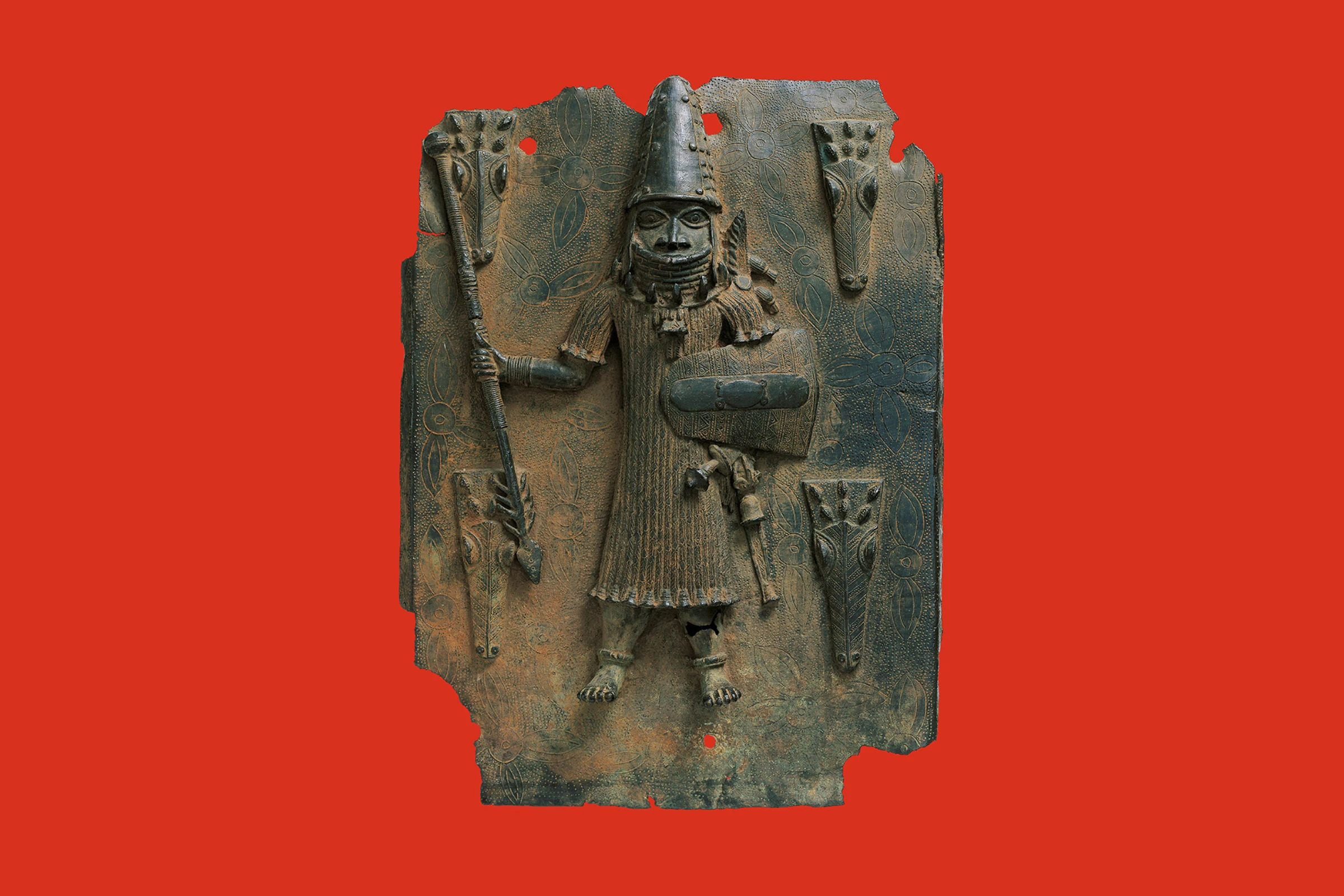
Zurich's Museum Rietberg Transfers Ownership of 11 Benin Objects to Nigeria
Museum Rietberg and the City of Zurich have transferred ownership of 11 Benin objects to Nigeria, with two works set for physical return and nine to remain in Switzerland on long-term loan.
Museum Rietberg in Zurich has transferred ownership of 11 Benin objects to Nigeria, in coordination with the City of Zurich and Nigeria's National Commission for Museums and Monuments. The move places Switzerland deeper inside a restitution process that has accelerated across Europe since 2021.
The institutional detail matters. Two works, including a commemorative bronze head and an ivory tusk with major ritual significance, are expected to return physically to Nigeria. Nine other objects will remain in Zurich under a long-term loan arrangement, despite the ownership transfer. That split structure, legal return combined with distributed physical custody, is increasingly common in restitution negotiations where both parties want ownership clarity and ongoing public access.
The decision builds on the Benin Initiative Switzerland, launched under Rietberg leadership in 2021. The initiative investigated provenance trails tied to the 1897 British raid on Benin City, identifying dozens of objects in Swiss collections linked to that violence. This is not a symbolic gesture detached from research. It follows a structured provenance program designed to map how specific works entered European holdings through auction markets, private collectors, and institutional acquisitions.
This makes the Rietberg case useful for museums beyond Switzerland. The institution is pairing legal action with curatorial framing through the In Dialogue with Benin exhibition context, where provenance, colonial history, and contemporary Nigerian partnerships are treated as central content rather than side notes. That approach raises the bar for other museums still presenting African objects without transparent ownership history in gallery interpretation.
For collectors, the implications are immediate. Provenance due diligence on Benin material is no longer optional reputational hygiene. It is market infrastructure. Institutions that continue to acquire or display contested works without robust chain-of-custody documentation now risk legal exposure, donor pressure, and scrutiny from source-country authorities and peer institutions. As more objects are formally transferred, the threshold for what counts as acceptable uncertainty keeps narrowing.
For curators, the mixed-custody model also introduces governance questions. Long-term loans can preserve public encounter and scholarly access in European museums, but they raise practical questions about future decisions over conservation, interpretation, touring permissions, and digital reproduction rights. Ownership transfer alone does not settle those questions. Bilateral agreements and transparent reporting do.
Still, the Zurich transfer marks a concrete shift in pace. Restitution debates in Europe spent years stalled between ethics language and legal caution. What changes the field is implementation, signed transfers, named objects, and documented custody terms. This case delivers those elements and signals that restitution is now being executed as policy, not merely discussed as principle.
For boards and trustees, the lesson is procedural as much as moral. Restitution files should be treated like major transactions, with documented provenance review, legal counsel sign-off, and implementation timelines that include communication strategy and collection-record updates. Institutions that operationalize these steps will adapt to the new governance baseline faster than those relying on ad hoc responses.
The market consequence is already visible in transaction due diligence. Dealers and private sellers now face more requests for archival proof before serious buyers proceed, especially for works with known Benin City extraction pathways. That shift is healthy. It moves provenance from back-office paperwork into price formation and contract structure.