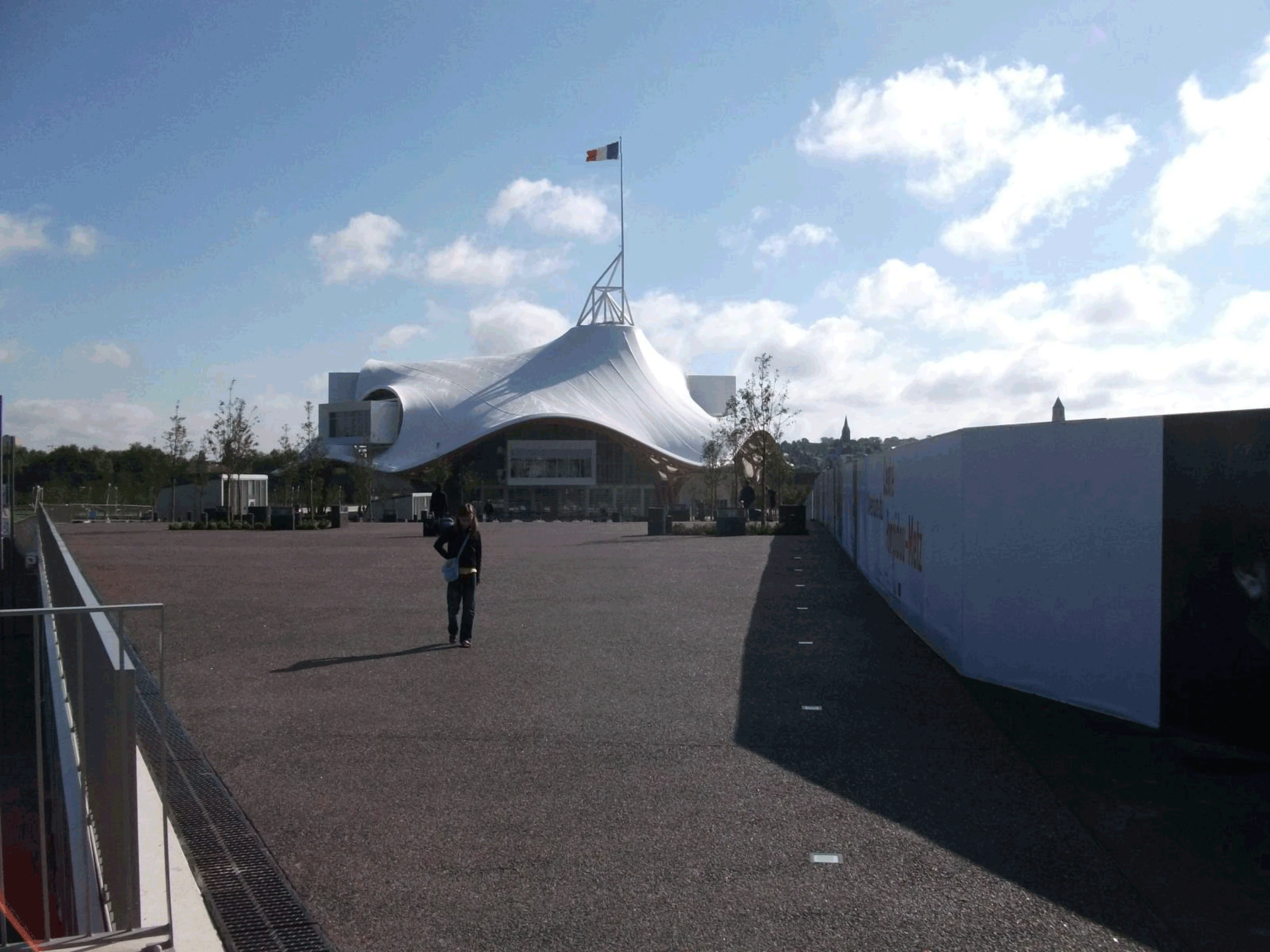
Pompidou Unveils Lyon Satellite Program Focused on Regional Collections
The Centre Pompidou confirmed a new Lyon satellite program that pairs national loans with regional institutional partners. The rollout signals a broader French strategy to rebalance cultural traffic beyond Paris.
The Centre Pompidou announced on Wednesday that it will launch a Lyon based satellite program in 2026, structured around rotating loans, co curated thematic hangs, and shared research programming with regional partners. The institution framed the initiative as a long horizon model rather than a temporary outreach series, with the first cycle expected to open in the fourth quarter. Initial disclosures emphasized twentieth and twenty first century holdings that can travel without compromising conservation requirements for Paris based display priorities.
Why this matters is straightforward. French museum traffic and donor attention remain heavily concentrated in Paris, while regional institutions often carry ambitious audiences with thinner acquisition and exhibition budgets. A satellite framework backed by a national collection changes that equation. It can increase quality of access without requiring each city to replicate capital intensive storage and conservation stacks. For Lyon, the program also positions the city as a recurring node in international itinerary planning, not only a domestic weekend destination.
Pompidou leadership said the operating model will be built through multi year planning blocks, with curatorial teams from both institutions deciding narrative arcs together rather than receiving a fixed touring package. That distinction is important. Standardized touring shows tend to flatten local specificity, while co authored programming can produce genuinely place aware interpretation. Early planning language points to architecture, labor, and urban transformation as anchor themes, a framing that aligns with both Pompidou strengths and Lyon’s industrial and civic history.
The move also reflects a wider European institutional pattern in which flagship museums use distributed programming to extend public mission and diversify funding logic at the same time. Similar strategies have helped institutions manage political scrutiny around public support by demonstrating geographic reach and educational impact. If executed well, satellite structures can improve scholarship too, because research questions shift when works are interpreted in different urban and social contexts. Distribution, in this sense, is not only logistics. It is method.
Market observers will watch collateral effects on artist visibility and local gallery ecosystems. When national institutions deepen regional programming, collector traffic and curatorial travel usually follow. That can strengthen primary markets for artists with ties to the city and create new publication opportunities that outlast the initial program cycle. The risk is brand overhang, where local institutions become perceived as extensions rather than authors. The announced co curatorial format is designed to avoid that trap, but implementation quality will decide outcomes.
Pompidou indicated that full details, including partner venues, governance terms, and opening calendar, will be released in stages through spring and early summer. For now, the key signal is strategic: major institutions are moving from occasional decentralization rhetoric to operating commitments that can be measured over time. If Lyon’s first cycle lands with strong scholarship and sustained attendance, expect other national collection holders to accelerate similar regional architectures across Europe in the next eighteen months.
There is also a governance opportunity here for municipal and regional policymakers. If satellite programming is paired with education pipelines, conservation apprenticeships, and transparent local procurement, the cultural value multiplier rises significantly. If it is treated as a branding event without local capacity building, the long term effect will be thinner. The first year therefore matters less for attendance headlines than for whether durable operating relationships are written into contracts, budgets, and public reporting.