A €100 Ticket, a Picasso, and a Charity Model Under Market Scrutiny in Paris
A new French raffle offering a Picasso for €100 per ticket revives a high-visibility charity format, with proceeds directed to Alzheimer’s research and close attention on transparency and pricing logic.
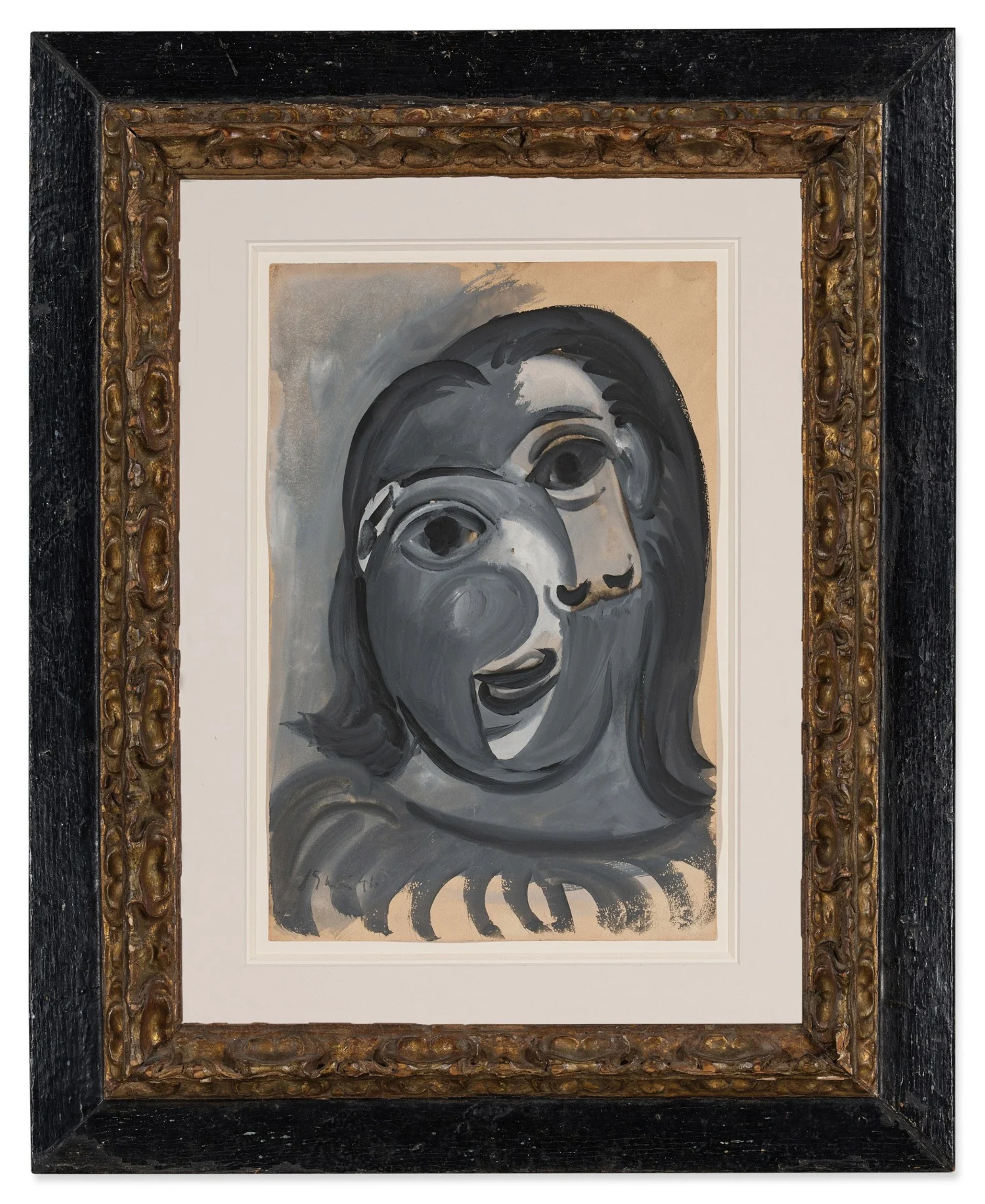
A Paris charity campaign offering the chance to win Pablo Picasso’s Tete de femme (1941) for a €100 ticket has reopened one of the art market’s most contested public formats: high-value raffles presented as access democratization. Organizers have capped entries at 120,000, implying a potential €12 million gross pool, with €1 million allocated to Opera Gallery, the current owner of the work, and remaining proceeds directed to Alzheimer’s research through a Paris hospital foundation.
The campaign is framed as the third edition of the "1 Picasso for 100 euros" initiative, and prior editions are cited as evidence of proof of concept, with funds previously directed to cultural reconstruction in Lebanon and water and sanitation projects in Africa. That track record matters, but this edition raises sharper questions for collectors, institutions, and regulators because audience scale has increased while digital participation has become frictionless. The more efficient the ticket funnel, the higher the expectation of operational transparency.
The painting itself anchors the campaign’s legitimacy. According to the organizing materials, Tete de femme will be shown in Paris at Christie’s ahead of the draw, giving viewers direct access to condition and presentation context before ticket sales close. That pre-draw visibility is not cosmetic. It signals that even in a chance-based format, confidence still depends on traditional market rituals: physical display, attributed provenance narratives, and institutional hosting.
For the trade, the raffle’s structure highlights a persistent tension. On one side is a genuine philanthropic proposition that can convert broad public attention into research funding at a scale most single-donor gifts do not reach. On the other side is a retailized spectacle model that can blur distinctions between charitable fundraising, promotional event architecture, and speculative entertainment. Whether that tension is productive or corrosive depends on governance details that are often buried in legal terms rather than public messaging.
Collectors tracking these campaigns usually ask four practical questions. First, what are the exact financial flows after taxes, platform fees, and compliance costs. Second, who independently verifies the draw process and winner confirmation. Third, what legal protections exist across jurisdictions for non-French entrants. Fourth, what post-win obligations attach to export, insurance, and title transfer. Campaigns that answer these plainly tend to strengthen trust. Campaigns that rely on celebrity aura tend to weaken it.
The broader market context is relevant too. As primary and secondary sales remain uneven, hybrid formats are expanding: private tenders, sealed bid moments, invite-only digital allocations, and philanthropic campaigns tied to headline works. Raffles sit at the edge of that trend because they perform both inclusion and scarcity at once. They invite mass participation, then resolve in a single-owner outcome. That contradiction is part of their public appeal, and also the reason they attract scrutiny from professionals who care about fairness claims.
Institutions watching from the sidelines can read this event as a policy rehearsal. If raffle-led philanthropy becomes more common around blue-chip works, museums and foundations will need clearer standards on partner selection, due diligence disclosures, and communication ethics. The question is not whether these campaigns should exist. It is whether they can scale without reducing charitable language to marketing cover. In this case, credibility will be measured less by headline ticket volume and more by audited delivery after the draw closes.
For now, the Paris campaign is a real-time test of how art market theater and public-benefit claims can coexist under pressure. It may succeed on both fronts. But success will depend on governance being as visible as the Picasso itself, because in 2026, charitable ambition alone is no longer enough to satisfy a professional art audience.