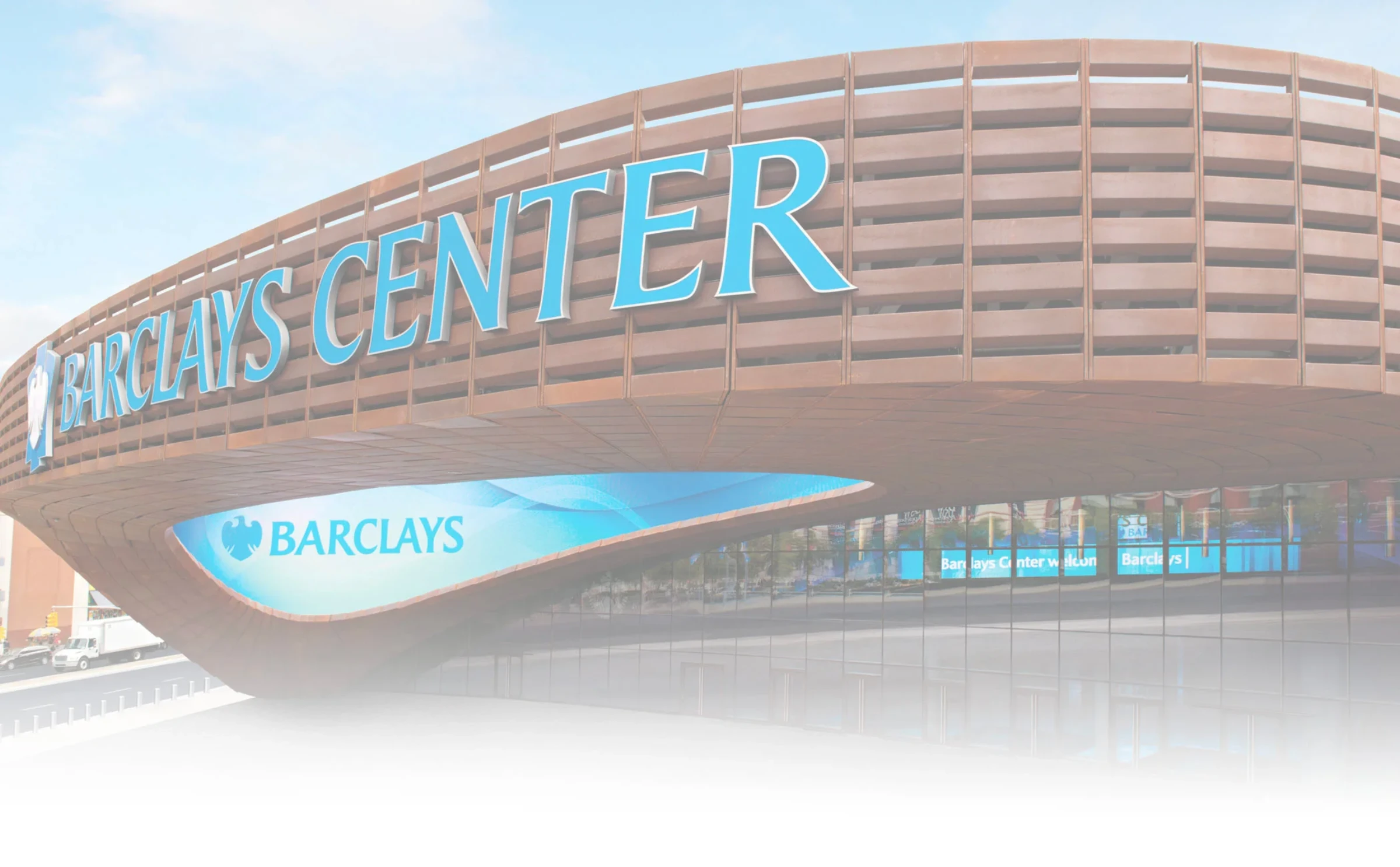
Barclays Center Names Paul Pfeiffer as Inaugural Artist-in-Residence, Expanding Arena-Scale Public Art
Brooklyn’s Barclays Center launches a multiyear art initiative led by Paul Pfeiffer, signaling a deeper institutional push to merge sports infrastructure with civic-facing contemporary art programming.
Barclays Center has named Paul Pfeiffer its inaugural artist-in-residence as part of a new multiyear initiative, Brooklyn Art Encounters. On paper, the announcement reads like another cross-sector culture program: a major venue, a high-profile artist, and a broad promise of public engagement. In practice, it signals a deeper structural shift in how large urban entertainment sites are positioning themselves, not as passive hosts of spectacle, but as institutions with year-round cultural obligations beyond ticketed events.
Pfeiffer is a strategic first choice. His work has long examined mass spectatorship, image machinery, and the emotional economies of sports and celebrity. Those concerns map directly onto the architecture and social rhythms of an arena. By placing him inside the venue ecosystem rather than staging a one-off exhibition, the program attempts to reframe the site as a production context, not merely an advertising surface for contemporary art.
The residency includes collaboration with artist Sean Leonardo and the Social Justice Fund on a yearlong project focused on communities affected by the criminal legal system. This matters because many arena art commissions stop at monumental display. Barclays appears to be testing a dual model: high-visibility public work combined with slower civic programming. If sustained, that could produce a template for other high-footfall cultural-adjacent infrastructures that want to claim social relevance without defaulting to symbolic gestures.
The announced advisory structure is also notable. Curatorial guidance connected to figures from institutions such as The Shed, alongside future projects by artists including Sarah Sze, Mark Bradford, and Rashid Johnson, positions the initiative within an established contemporary-art network rather than a sponsorship side lane. Pfeiffer’s recent visibility at the Solomon R. Guggenheim Museum gives the residency additional institutional weight in New York. That network effect can attract stronger artists, but it also raises the bar for curatorial accountability. Arena programs are judged quickly when they confuse scale with substance.
There is a financial logic behind this turn. Sports and entertainment venues are increasingly contested as public space, especially in neighborhoods where development politics remain active. A credible arts program can support long-term legitimacy, diversify audience value, and improve institutional relationships with local cultural ecosystems. Yet credibility only emerges when programming quality is consistent and access is genuinely public. Minute-long digital interventions and plaza commissions can work, but only if they avoid becoming decorative filler between commercial cycles.
For curators, the Barclays move is a reminder that commissioning conditions are changing. The strongest new commissions are often no longer inside museum walls. They sit in transit-heavy, mixed-use, privately operated environments where audiences are heterogeneous and attention windows are short. That requires formal strategies distinct from white-cube expectations: stronger visual legibility at distance, layered readings for repeat encounters, and production plans that survive heavy operational constraints.
For collectors and institutions watching from outside New York, the key question is durability. Many venue-led art initiatives launch with ambitious rhetoric and flatten within two seasons. The decisive factor is governance continuity, not artist prestige. If Barclays maintains curatorial rigor, funds long-horizon projects, and keeps community-facing work central rather than peripheral, this program could become a meaningful case study in post-museum public art infrastructure. If it drifts into event marketing, it will confirm the opposite. The first eighteen months will tell which path is real.