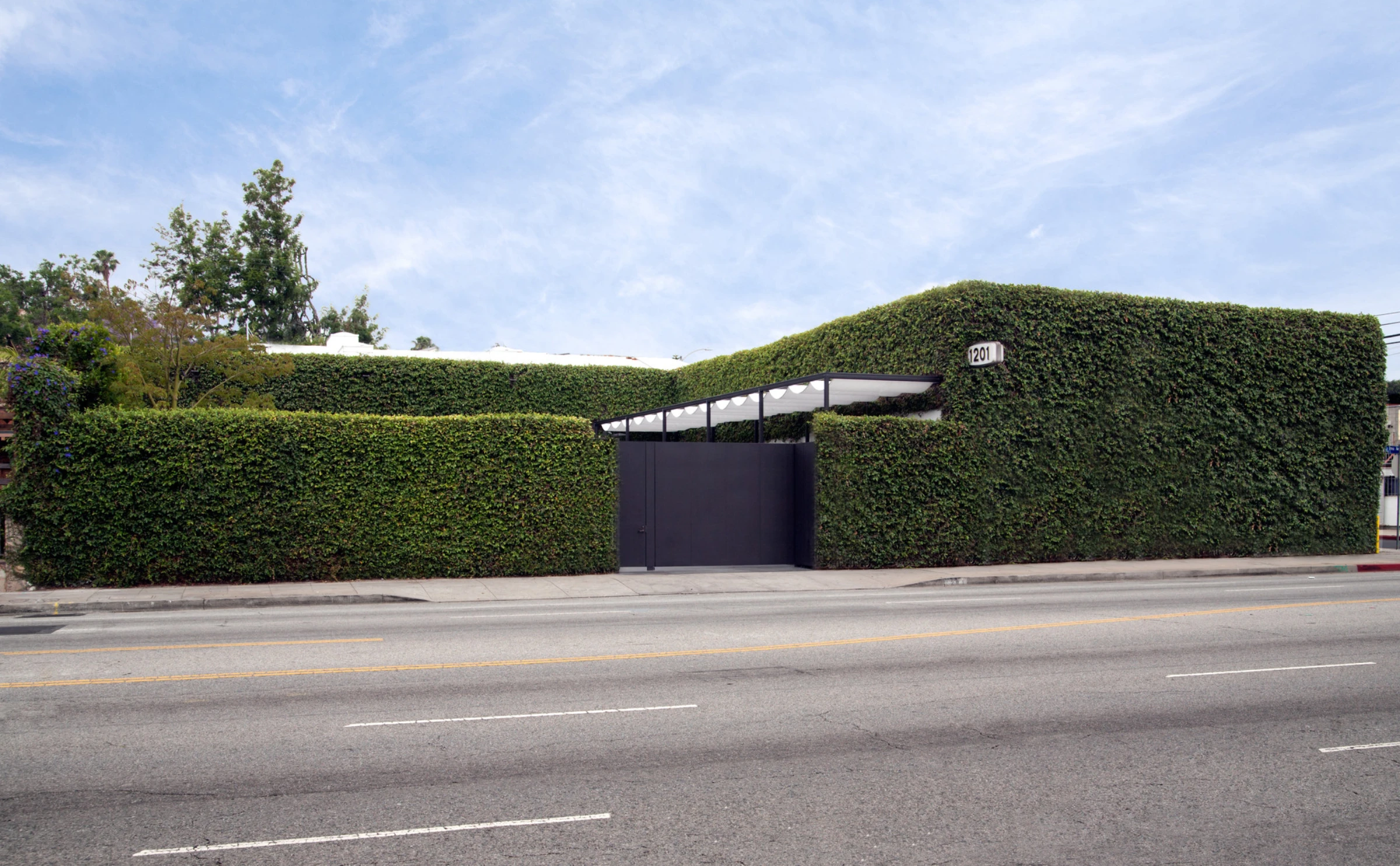
Pace Prints Expands to Los Angeles With New Studio and Gallery
Pace Prints is launching a dedicated West Coast operation in Hollywood, combining print production infrastructure with a public-facing gallery program. The move signals growing demand for printmaking as a primary market and curatorial category.
Pace Prints is opening a new printmaking studio and gallery hub in Los Angeles, a strategic expansion that places one of the sector’s most established editions programs directly inside the city’s deep artist and collector ecosystem. The project, announced in conjunction with broader spring programming, combines production capacity with exhibition space, positioning printmaking as both a technical discipline and a public-facing curatorial proposition. In practical terms, it gives artists access to fabrication resources while giving collectors a dedicated venue for edition-focused viewing.
Los Angeles is an obvious choice, but the timing is particularly telling. The city’s institutional and commercial circuits have matured to a point where works on paper and complex print-based practices can sustain attention outside fair calendars and secondary-market spikes. Collectors are increasingly comfortable treating editions as serious acquisition pathways rather than entry-level substitutes. At the same time, artists are using printmaking to test formal ideas that later migrate into painting, sculpture, and installation, making the medium central to studio research rather than peripheral output.
Printmaking is no longer the secondary room in the market story, it is one of the central engines of how artists build audiences and editions today.
For Pace, the move also consolidates a broader geographic logic. New York remains the historical center of the editions market, yet West Coast production offers different technical networks, labor patterns, and collaboration rhythms. A Hollywood base allows proximity to artists already working in Los Angeles while drawing in visiting international names during key art weeks. If programmed well, the site can function as a year-round platform for process visibility, with workshops, demonstrations, and exhibitions that make the mechanics of printmaking legible to broader audiences.
The expansion lands amid renewed institutional interest in print history and material studies. Museums in the US and Europe have mounted stronger works-on-paper presentations over the past two years, often foregrounding the political and reproductive logics of print as much as its formal qualities. Commercial infrastructure tends to follow that discursive momentum. A dedicated LA facility therefore reads not only as a market bet, but as an acknowledgment that critical attention and collector behavior are moving in the same direction around editioned work.
The key measure of success will be artistic range, not opening-week visibility. If Pace Prints uses the new hub to support both established names and experimental collaborations, the project could reset expectations for what a contemporary print platform can be in 2026. If it narrows into predictable edition cycles, the opportunity shrinks quickly. For now, the signal is clear: printmaking is being treated as a core medium in the current art economy, and Los Angeles is central to that shift.
There is a pedagogical upside as well. Print studios can demystify process in ways that conventional gallery models rarely do, especially for younger audiences who encounter finished works mostly through screens. Watching plates prepared, proofs adjusted, and editions resolved turns abstraction into concrete decision-making. If the Los Angeles program integrates that educational layer into its public calendar, it could strengthen collector literacy and deepen appreciation for technical complexity across intaglio, lithography, woodcut, and hybrid digital workflows.
For editors and institutions alike, the operational takeaway is clear: publish the paperwork context early, maintain a public-facing update cadence, and treat administrative clarity as part of cultural stewardship rather than a defensive afterthought.