NGV’s Motherhood Exhibition Reframes Maternal Labor as an Art-Historical Structure, Not a Theme
A major exhibition at the National Gallery of Victoria positions motherhood as a formal, social, and institutional condition shaping artistic production across periods.
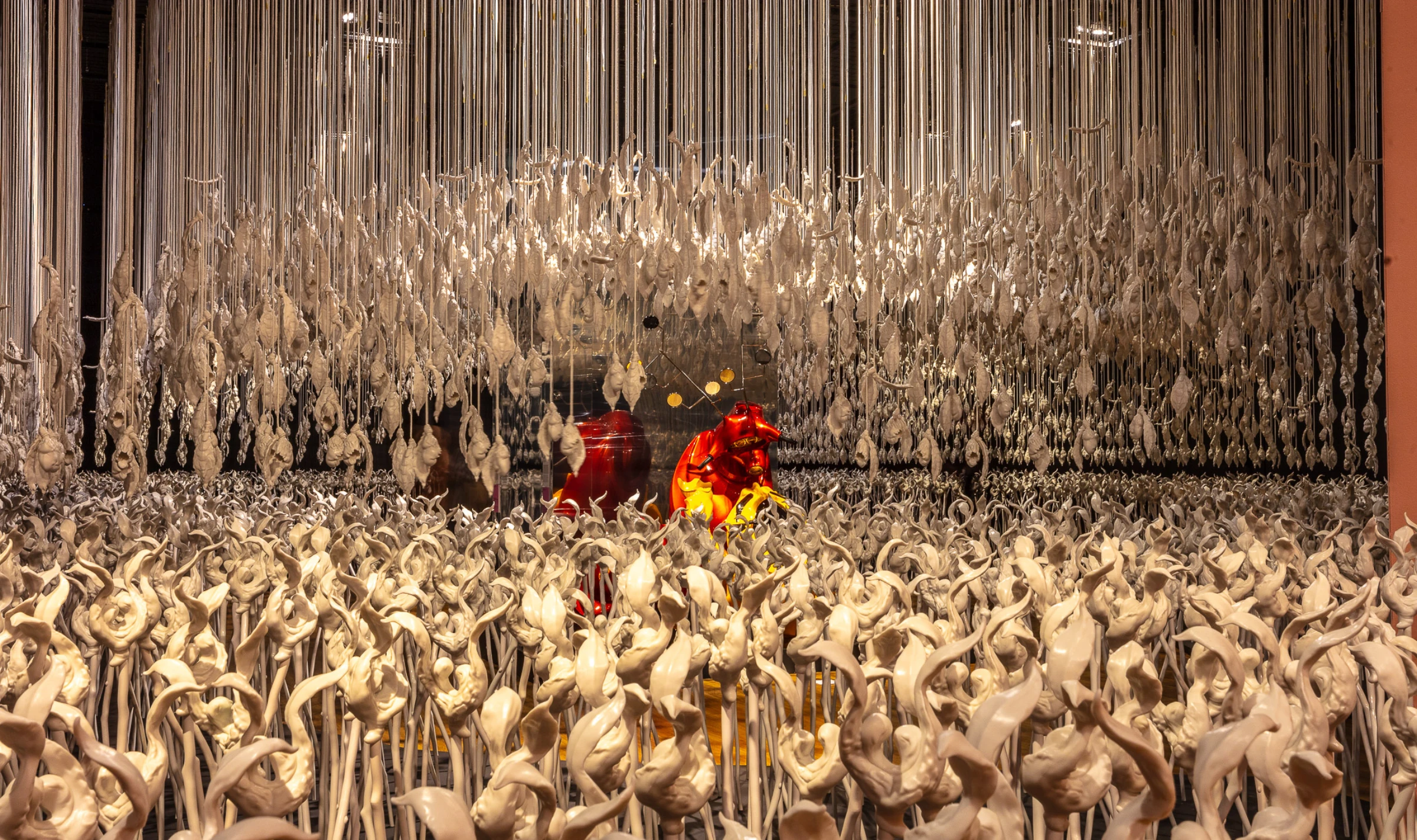
The National Gallery of Victoria’s new exhibition on motherhood has drawn attention because it refuses the usual curatorial shortcut. Rather than treating maternity as iconography alone, the show presents motherhood as a material condition that structures how art is made, interrupted, and transmitted. That reframing, highlighted in the Guardian’s review, places the exhibition inside a larger institutional shift: moving from representational themes toward labor analysis within art history.
The curatorial architecture is built across historical and contemporary works, with emphasis on repetition, care, depletion, and social invisibility. This approach matters for professional audiences because it addresses an old distortion in museum narratives, one also debated in professional frameworks from ICOM and in broader cultural-policy discussions at UNESCO. Art histories often celebrate finished objects while under-theorizing domestic and reproductive labor as part of artistic production systems. By foregrounding that hidden infrastructure, the exhibition effectively asks institutions to account for time and attention as conditions of form.
For curators, the NGV project offers a useful model for thematic shows that want to avoid sentimentality. It links canon material to contemporary practice through process, not simply by mood or visual resemblance. The result is that viewers can read historical devotional imagery, documentary records of birth, and contemporary sculptural work as part of one argument about labor and embodiment. That is a stronger critical scaffold than the familiar “timeless motherhood” framing that tends to flatten social difference.
The institutional implications extend beyond Australia. Museums globally are revisiting how collection narratives handle care work, gendered expectations, and intergenerational knowledge transfer. If these revisions remain only at exhibition level, they risk becoming cyclical programming gestures. The deeper challenge is structural: acquisition priorities, commissioning timelines, and staffing policies must also reflect the realities these shows surface. Otherwise, institutions present critique in galleries while reproducing exclusion in operations.
Collectors should also pay attention to what this exhibition is signaling. Works that engage care, reproduction, and domestic temporality are no longer being treated as niche or identity-adjacent categories. They are increasingly read as central to contemporary debates on labor, social reproduction, and political economy. That shift can affect valuation and institutional demand, especially for artists whose practices combine conceptual rigor with material experimentation, including figures such as Patricia Piccinini and others working across sculpture, installation, and body politics.
Educationally, the show demonstrates the value of interpretive language that is specific about work rather than abstractly celebratory. Terms like relentlessness, repetition, and exhaustion, when tied to actual objects and display decisions, create sharper public understanding than inspirational framing. In a period when museums are often criticized for institutional vagueness, precision of this kind becomes a credibility asset.
The broader takeaway is that exhibitions on motherhood are no longer judged only by inclusivity optics. They are judged by whether they can alter how artistic value is explained. NGV’s wager is that maternal labor is not a side narrative to modern and contemporary art, but one of its organizing forces. If more institutions adopt that premise and carry it into collecting, commissioning, and staffing decisions, this exhibition will read less like an isolated success and more like a pivot point in museum method.