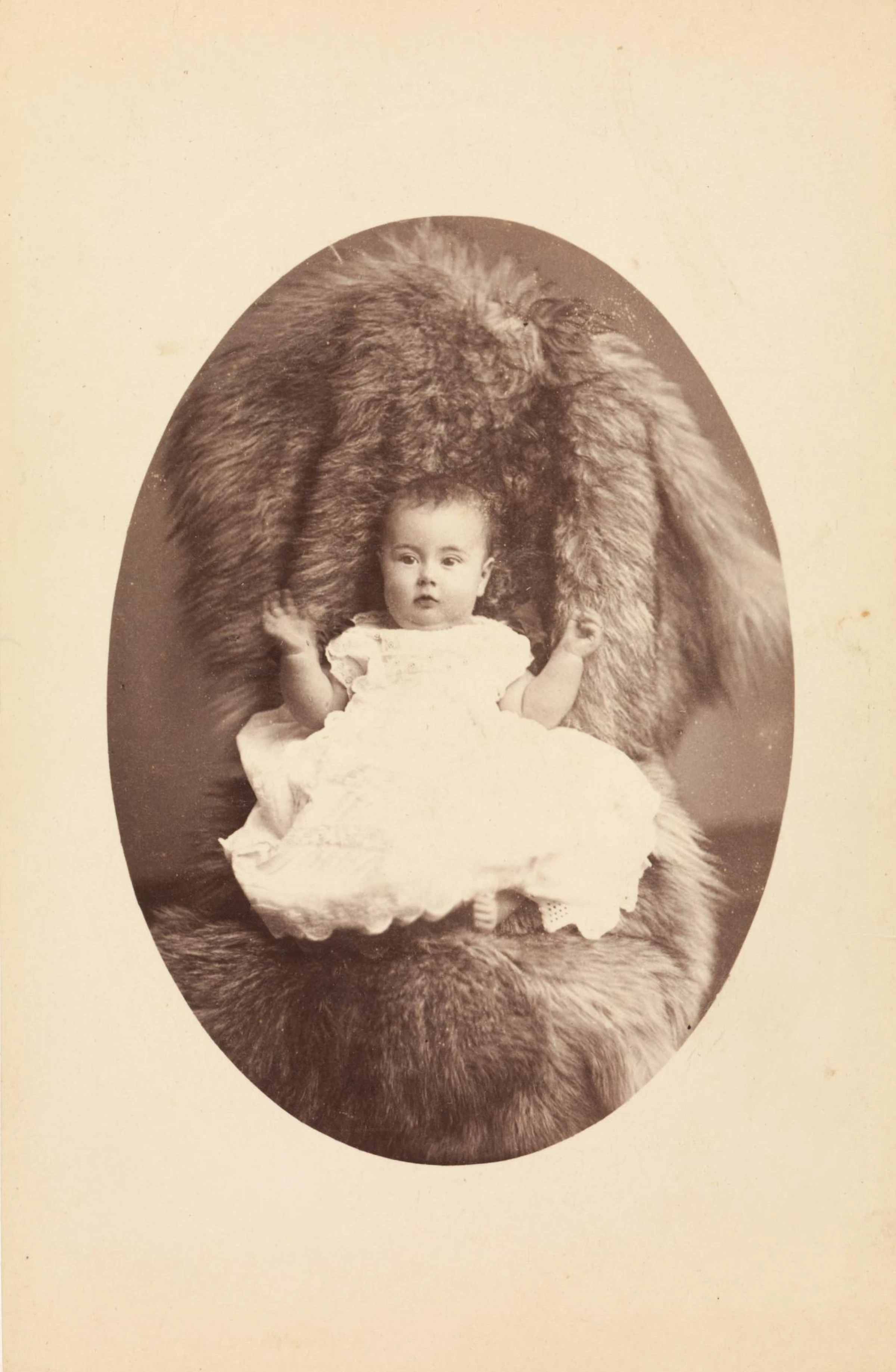
NGV’s ‘Mother’ Exhibition Repositions Maternal Labor as an Art-Historical Category
At Melbourne’s National Gallery of Victoria, a 200-work exhibition titled ‘Mother’ treats caregiving not as sentiment but as structure, linking historical iconography to contemporary artists working inside the pressures of domestic labor.
The National Gallery of Victoria has opened Mother, a large-scale exhibition that reframes motherhood as an analytical framework rather than a soft theme. With more than 200 works spanning religious iconography, modern painting, and contemporary practice, the exhibition positions maternal experience as both subject matter and production condition.
This matters because major institutions have often represented motherhood through either devotional archetype or biography, while avoiding the structural question of labor. NGV pushes directly into that gap. The show treats caregiving, repetition, interruption, physical depletion, and intergenerational responsibility as factors that shape artistic form, pacing, and material choice.
The curatorial structure, creating, giving, leaving, is clear without being reductive. Visitors move from idealized maternal imagery toward works that foreground ambivalence, exhaustion, and strategic refusal. That sequencing does not reject historical icons; it recontextualizes them. A Madonna image in one room can function as institutional memory, while a contemporary work in the next room exposes what those inherited ideals conceal.
The institutional framing is equally important. NGV has anchored the exhibition within programming associated with NGV International, signaling that this is not a satellite identity project. It sits in the center of the museum’s calendar. That placement changes how audiences, funders, and peer institutions read the show’s claims.
For curators, the operational lesson is straightforward. Exhibitions dealing with gendered experience do not need to sacrifice formal rigor to reach broad audiences. NGV demonstrates that you can build a high-density object environment, preserve historical depth, and still present a precise contemporary argument. The show avoids slogan language and instead lets juxtaposition perform analysis.
There is also a collection-management implication. Work historically categorized under domesticity, textile process, figurative intimacy, or personal narrative is increasingly being interpreted through labor history and social reproduction. As these interpretive frames harden, acquisition priorities are likely to shift, particularly in institutions that want to claim relevance beyond market-driven spectacle programming.
For collectors, this changes valuation narratives over time. Curatorial framing often precedes market correction, especially when major museums set terms for how a body of work should be read. If maternal labor is now treated as a serious art-historical lens, works once treated as secondary to canonical movements may gain institutional traction, publication volume, and eventual commercial repricing.
NGV’s exhibition is strongest when it refuses simple moral closure. It does not ask viewers to celebrate motherhood as a universal virtue. It asks them to track how images of motherhood distribute legitimacy, obscure labor, and regulate who gets recognized as an artist versus who is expected to support artists from outside visibility. In the current museum landscape, that is a substantial editorial and curatorial intervention.
The broader significance is that a major state institution is treating maternal labor as central, not supplementary, to contemporary art interpretation. That shift will likely influence future exhibition design, education programming, and institutional commissioning. Other museums will have to answer it, either by extending the conversation with equivalent rigor or by revealing, through omission, where their own frameworks remain outdated.
Finally, the exhibition works as a governance signal to the sector. It shows that difficult social themes can be handled with institutional seriousness when curatorial method, object quality, and audience design are aligned.