National Gallery of Art Secures $116 Million to Expand Long-Term Lending Across the US
A record programming endowment will keep the National Gallery’s Across the Nation loan initiative running in perpetuity, shifting how federal collections circulate beyond Washington.
The National Gallery of Art in Washington has received a $116 million gift from the Mitchell P. Rales Family Foundation to endow its Across the Nation lending program in perpetuity, according to reporting by The Art Newspaper. The donation is the largest gift ever made specifically to endow programming at the institution, and it arrives as US museums face tighter public funding and slower post-pandemic attendance recovery.
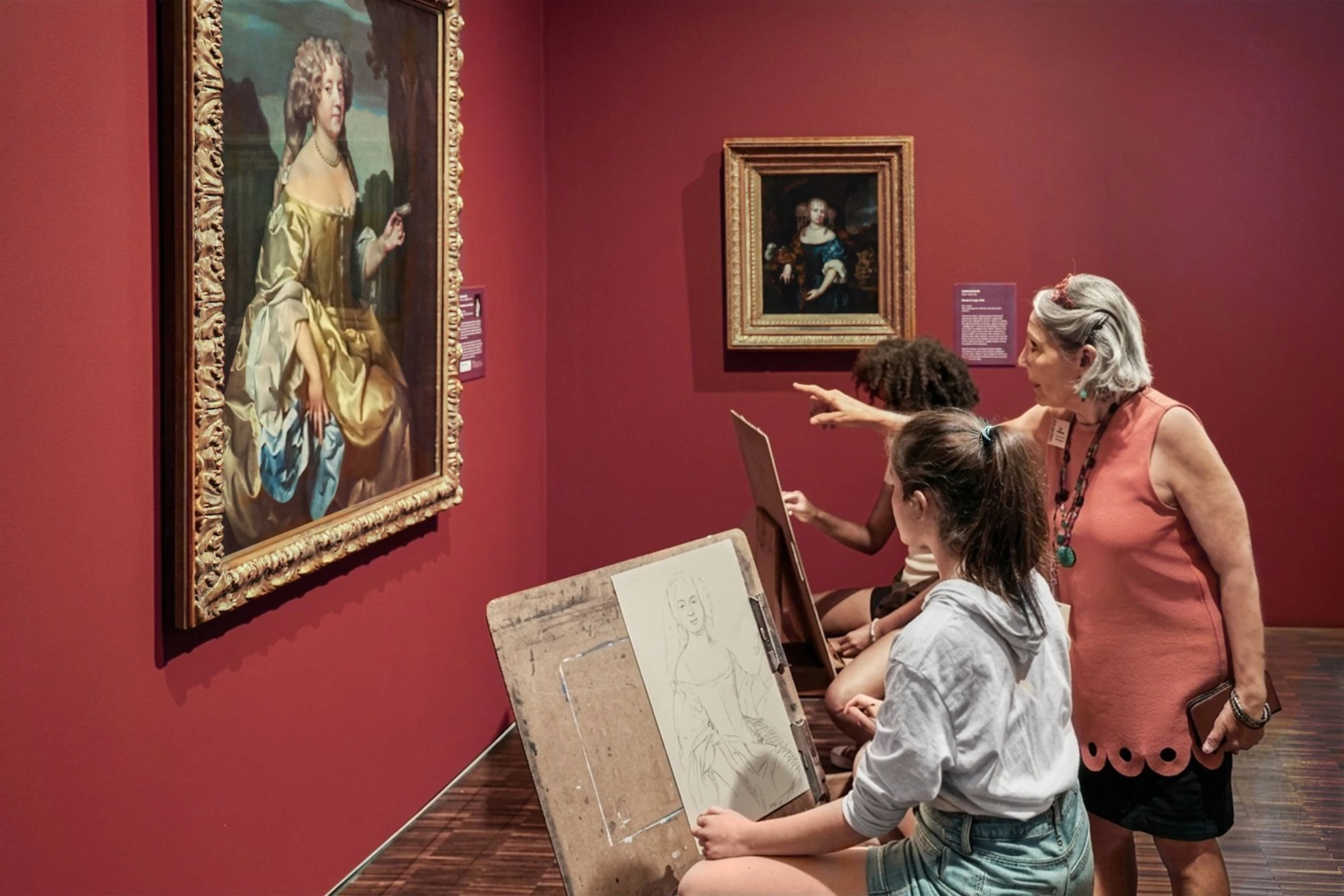
Across the Nation launched in spring 2025 with a practical premise: museums around the country can request long-term loans from the National Gallery’s collection without paying transport, insurance, installation, or marketing costs. The federal museum covers those expenses. In its first cycle, ten partner institutions participated, from the Anchorage Museum to the Mint Museum, reaching around 900,000 visitors.
For regional museums, this model matters because loan fees and logistics budgets often determine what can be shown, not curatorial ambition. By underwriting the full chain, the National Gallery is effectively converting collection access into infrastructure. That shifts the terms of collaboration from ad hoc borrowing to multi-year planning with lower financial risk for host institutions.
The next cycle is slated for autumn 2027 through 2029, with new partners to be announced. The timing aligns with broader institutional pressure on US museums to justify civic value beyond large metropolitan centers. As federal support and private philanthropy both become more politically and economically conditional, programs that visibly move art into local audiences can function as both public mission and strategic defense.
Mitchell Rales, a longtime trustee and former board president at the National Gallery, also co-founded Glenstone with Emily Wei Rales. His foundation’s commitment positions the National Gallery to sustain a national distribution model rather than a temporary outreach campaign. The institutional significance is less about one headline number and more about what becomes routine: a federally anchored museum lending major works as a baseline service, not an exception.
For collectors and trustees watching museum governance, this is also a signal about where large gifts may concentrate in the next cycle. Instead of naming-rights architecture or one-off acquisitions, funders are increasingly underwriting systems, mobility, conservation workflows, and audience expansion. For curators, the practical consequence is immediate: the possibility of building exhibitions around works that previously sat outside realistic loan economics.