New Museum Reopens With $82M Expansion and a 700+ Object Exhibition
After a two year closure, New Museum has reopened on the Bowery with a major architectural expansion and a large thematic exhibition on humans and technology.
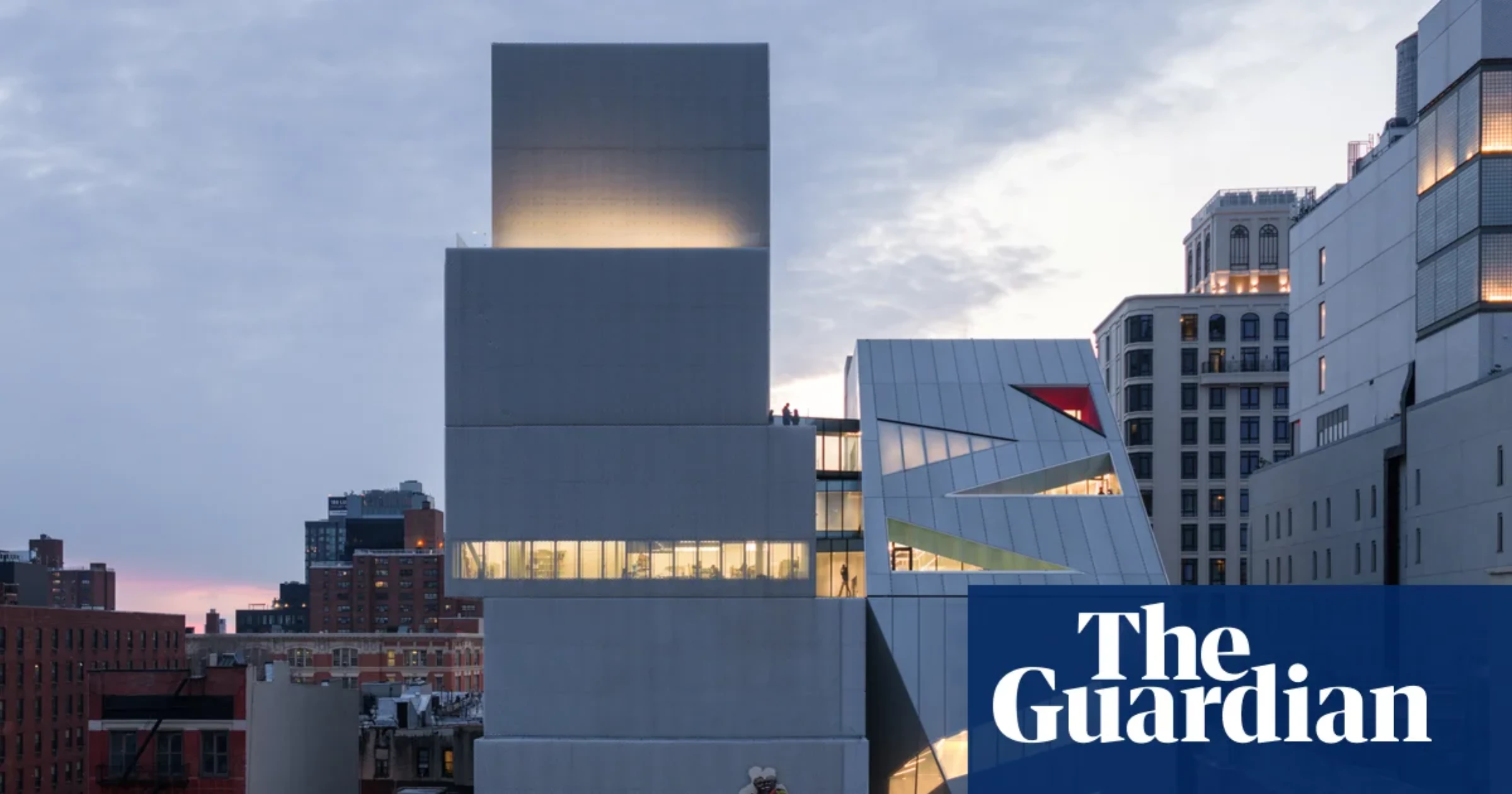
New Museum has reopened on the Bowery after a two year closure with an $82m expansion that materially changes its operating capacity and public profile. The addition increases circulation between floors, introduces new gallery volume, and creates a stronger street level interface. The reopening is being presented not as a reset but as a structural transition in how the institution will stage research-heavy exhibitions while maintaining public momentum in a crowded New York calendar.
The first test case is scale. New Humans: Memories of the Future reportedly assembles more than 700 objects across media, historical periods, and disciplinary boundaries. Large thematic exhibitions often collapse under their own ambition when curatorial framing is broad but interpretive scaffolding is thin. Here, the central question is whether the museum can maintain conceptual clarity while moving between contemporary commissions, historical references, and technologically oriented works that invite very different viewing habits.
Architectural expansion also changes back of house economics. More space can improve audience flow and exhibition flexibility, but it also raises baseline costs in staffing, conservation, installation, and technical support. Institutions that expand without parallel investment in operating resilience can produce short term spectacle followed by programming contraction. The reopening will therefore be judged over multiple seasons, not opening week, with attention to whether the museum sustains depth after the flagship launch moment.
Leadership timing sharpens the stakes. Director transitions often overlap with capital milestones, and those moments expose governance discipline. A building campaign can mask unresolved strategic questions if boards mistake construction completion for institutional readiness. The stronger model is to use expansion as an opportunity to harden curatorial priorities, publication standards, and education strategy so the architectural upgrade translates into long horizon value rather than event driven churn.
For artists, the significance is practical. Expanded galleries can absorb riskier commissions, durational formats, and installations that require complex fabrication or maintenance. That matters in a city where institutions compete for attention but frequently default to safe exhibition structures. If New Museum uses its expanded capacity to protect experimentation, the reopening could influence how peer institutions frame investment in emerging and mid career practices.
The exhibition's human technology framing lands in a period when museums are navigating pressure to appear digitally fluent without reducing programming to trend language. Public credibility now depends on specificity: how works are contextualized, what interpretive claims are made, and whether institutional language remains accountable to what is actually on view. The museum's curatorial execution will determine whether this reopening reads as critical infrastructure or branding theater.
This reopening also matters for neighborhood level cultural geography. Bowery institutions sit inside overlapping economies of tourism, local audiences, and global art traffic. A larger and more legible New Museum can pull stronger footfall into nearby spaces, but it can also intensify disparities if smaller organizations are treated as satellite context rather than peers. The institution's partnership choices in the next year will signal whether expansion is inward facing or ecosystem minded.
Early indicators to watch are publication quality, repeat visitation patterns, and commissioning consistency across seasons. The architecture is now in place. The harder work starts after opening day: converting physical scale into sustained intellectual and civic relevance. If the museum can do that, the project will become more than a capital story and function as a serious institutional model for post expansion programming in the US.
For readers tracking institutional strategy, the key references remain the museum's own operating choices and peer benchmarks at organizations with comparable ambition, including the New Museum, MoMA, Whitney Museum of American Art, and Tate.