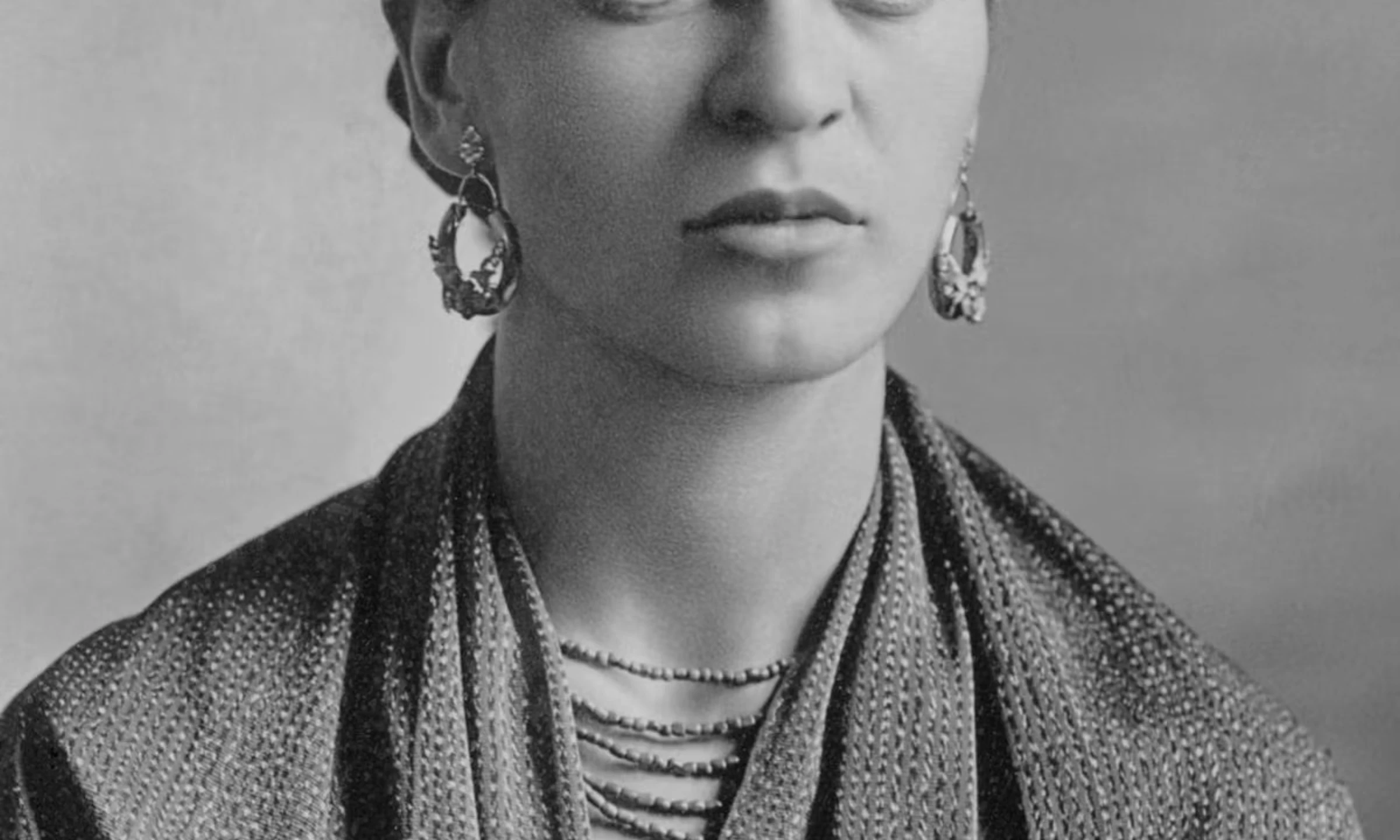
Frida Kahlo Heads to Netflix as Institutions Reheat the Global Kahlo Cycle
Netflix is developing a drama on Frida Kahlo and Diego Rivera as major museum programming in New York and London signals another high-intensity phase of Kahlo canonization.
Netflix is developing a new drama centered on Frida Kahlo and Diego Rivera, with Patricia Riggen and Gabriel Ripstein attached and María Renée Prudencio as head writer, according to The Art Newspaper. The project adapts Claire Berest’s novel Frida and arrives just as institutions in New York and London prepare major Kahlo-focused programming.
On one level, this is predictable. Kahlo has become a rare figure whose image can circulate across scholarship, fashion, political iconography, and mass entertainment without losing commercial force. On another level, each new adaptation raises a recurring risk: that the narrative economy around her life overwhelms the formal and material specificity of her work.
The platform context matters. Streaming series are built for emotional continuity and character arcs, which can reward psychological storytelling while compressing artistic process into biographical punctuation. For Kahlo, that compression is especially dangerous because her paintings are too often consumed as direct diary entries rather than constructed interventions in medium, scale, and symbolism.
The timing of the Netflix announcement alongside upcoming MoMA and Tate exhibitions reinforces a broader cycle: institutions and media ecosystems now co-produce artist relevance in real time. A museum show expands cultural legitimacy; a global series expands audience penetration; each amplifies the other. The result is high visibility, but not automatically high understanding.
If this cycle is to be intellectually productive, curators and critics will need to hold line on method. That means foregrounding Kahlo’s studio decisions, technical language, transnational reception, and political context rather than defaulting to relationship melodrama. Rivera belongs in the story, but he should not become the narrative spine by habit.
There is also a regional dimension often flattened in international framing. Kahlo’s afterlife is repeatedly repackaged through Euro-American media logics, even as Mexican institutions and scholars have carried the long work of archival and interpretive stewardship. Any serious 2026 framing should acknowledge that asymmetry directly.
For the art market, renewed screen exposure is likely to increase demand around adjacent objects, publications, and exhibition tie-ins rather than major works, which remain institutionally constrained. For museums, the opportunity is obvious: convert broad curiosity into close looking and historical literacy, not just ticket flow.
Kahlo does not need more myth. She needs better framing at scale. Whether Netflix contributes to that or merely extends the brand halo will depend on how much formal intelligence survives the adaptation pipeline.
Producers have an opportunity here to move beyond familiar iconography by centering workshops, correspondence, exhibition history, and the transnational movement of works between Mexico, the United States, and Europe. That approach would preserve drama while honoring the material intelligence of the paintings.
There is also value in showing how institutions, publishers, and licensing markets shaped the modern Kahlo brand over decades. Myth did not arise naturally; it was constructed through curation, reproduction, merchandising, and educational narratives that can be examined critically on screen.
For viewers, the productive stance is to treat the series as a gateway and then return to primary works and scholarship. Streaming can widen entry points, but museums and archives remain the places where claims about influence and meaning can be tested against evidence.
Context links: MoMA, Tate, and Instituto Nacional de Bellas Artes y Literatura.