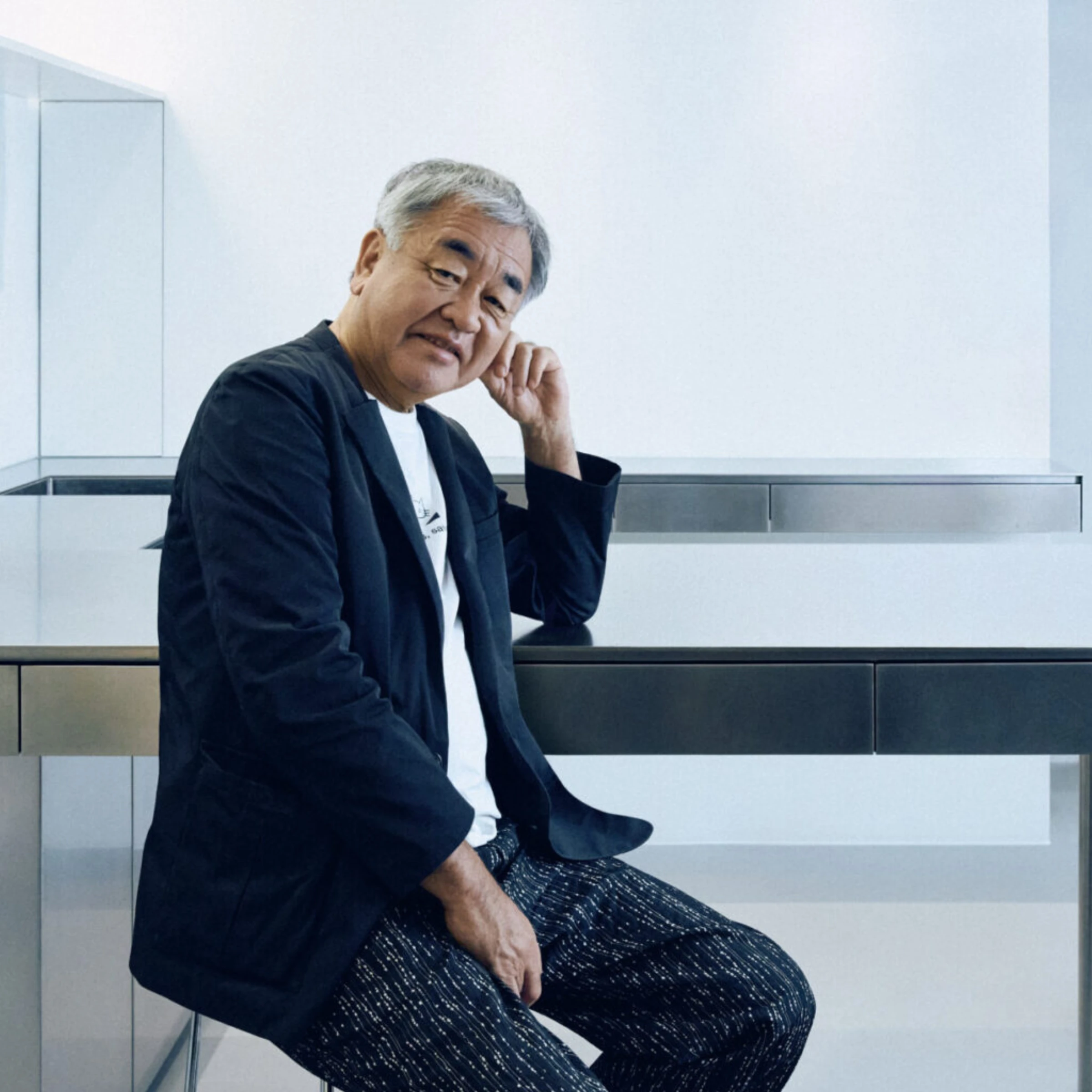
National Gallery Selects Kengo Kuma for £350m Expansion, Reframing Its Post-1900 Ambitions
London’s National Gallery has chosen Kengo Kuma and Associates for a major extension that will add new exhibition capacity and support a long-term shift toward collecting art made after 1900.
The National Gallery has selected Kengo Kuma and Associates to design a £350m extension in central London, a move that does more than enlarge the building. It clarifies the institution’s strategic direction after a period of financial strain and programmatic repositioning. The project, expected to open in the early 2030s, would add approximately 1,500 square meters of permanent-collection display area and about 800 square meters of temporary exhibition space, according to details released this week.
The architecture competition drew 65 submissions before being narrowed to six finalists. The final selection matters because the extension sits in direct dialogue with the Sainsbury Wing, one of the museum’s most debated additions, and with the original Wilkins building’s ceremonial urban frontage. Kuma’s proposal, as described by the jury, differentiates floor character while preserving circulation continuity with the existing complex. In practical terms, that means a building designed to absorb more traffic, longer opening-hour scenarios, and broader curatorial sequencing without making visitors feel they are moving between disconnected institutions.
Programming implications are immediate. The National Gallery has already indicated a revised acquisition horizon that now extends beyond its historic 1900 threshold. New space is therefore not merely logistical. It is curatorial infrastructure for a collection identity in transition, one that will increasingly overlap with the institutional terrain occupied by Tate and other London venues. Whether that overlap yields productive complementarity or competitive redundancy will depend on future hanging strategies, acquisition discipline, and the gallery’s appetite for risk in twentieth and twenty-first-century work.
Financially, the extension sits within a wider £750m umbrella initiative. That context cannot be ignored. Large museum capital campaigns now carry a dual burden: physical modernization and balance-sheet stabilization. If the promised endowment mechanics perform as intended, the new wing will stand as an architectural object and as a hedge against recurring operating deficits. If fundraising momentum slows, the institution may face pressure to monetize temporary programming more aggressively, potentially shifting curatorial priorities toward attendance-friendly formats.
Kuma’s prior museum work, including V&A Dundee, suggests a design language that can move between monumentality and tactile restraint. For the National Gallery, that balance is crucial. A project of this scale can easily become either an overbearing signature statement or an expensive corridor problem. The brief challenge is sharper: create rooms that actually improve looking conditions for painting while expanding social and public functions at street level.
For collectors, trustees, and artists, the key takeaway is timing. Institutions rarely announce a major building commission without concurrently recalibrating collection priorities, partnership strategy, and donor alignment. London’s market ecosystem will read this commission as an early indicator of what the National Gallery intends to acquire, exhibit, and legitimize over the next decade. In that sense, the wing begins now, not in the 2030s, because it already changes how the museum positions itself in the city’s hierarchy of power.
The project also sharpens a governance question that every large museum now faces: can capital growth improve scholarship and access at the same time, or does expansion simply increase managerial burden. The National Gallery’s answer will be tested in staffing plans, educational programming, and how transparently it communicates the relationship between its new spaces and public mission. As donor scrutiny rises, that operational clarity will matter as much as the architecture itself.