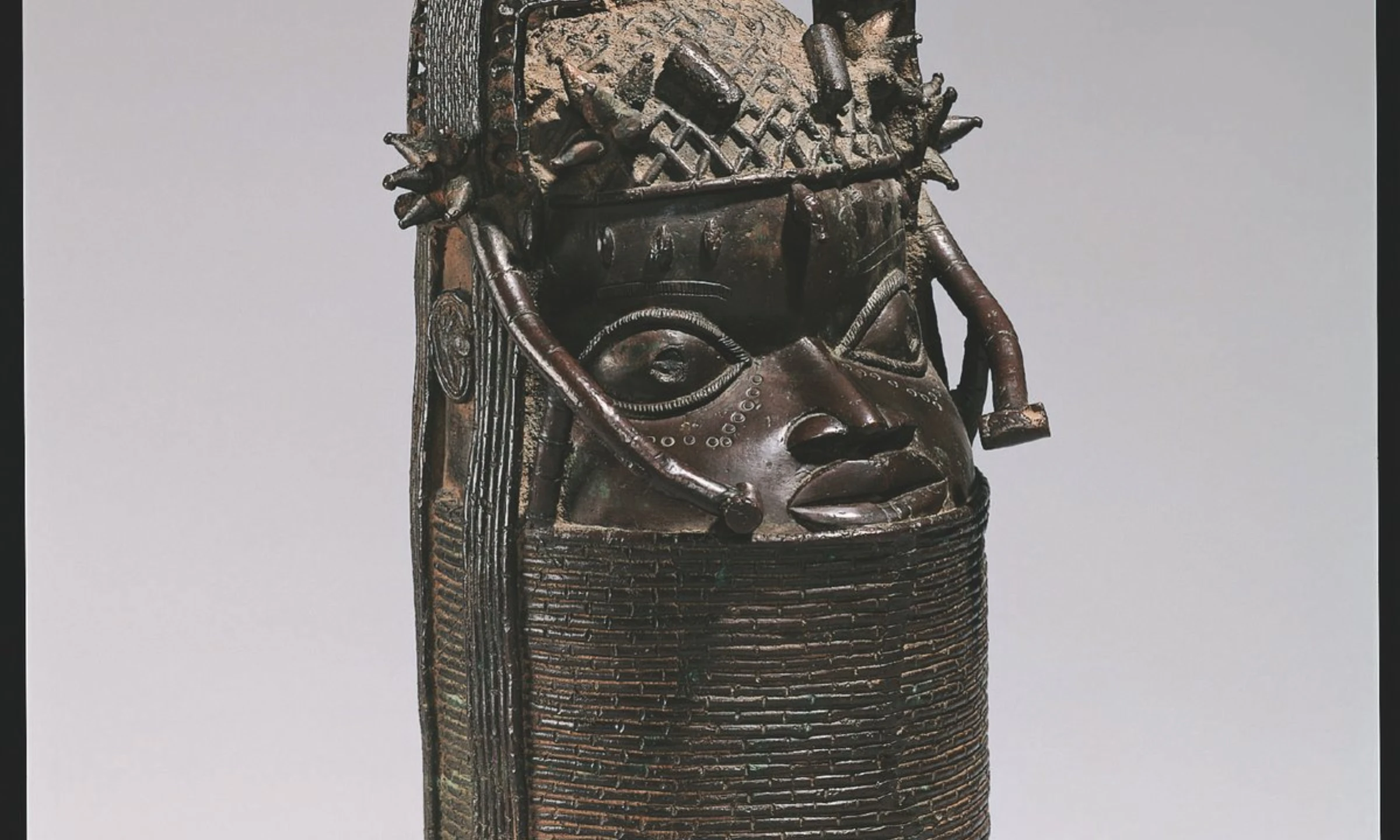
Zurich Museum Rietberg Transfers Ownership of 11 Benin Objects to Nigeria
Museum Rietberg and the City of Zurich are transferring 11 Benin works to Nigeria, with two objects expected to return physically while others remain in Switzerland as loans under Nigerian ownership.
Museum Rietberg in Zurich is transferring ownership of 11 Benin objects to the Republic of Nigeria, represented by the National Commission for Museums and Monuments. The decision places the Swiss institution among a growing group of European museums moving from provenance acknowledgment language to actual title transfer, which is the legal threshold that materially changes control.
According to The Art Newspaper, two objects of high ritual significance are expected to return physically to Nigeria, including a commemorative bronze head and an ivory tusk associated with royal shrine contexts in Benin City. The remaining objects will stay in Zurich as loans under Nigerian ownership. That structure can look ambiguous at first glance, but it still marks a substantial shift in who holds legal authority over the works.
The historical context is explicit. These works are connected to the 1897 British raid on Benin City, a military action that triggered mass dispersal of court art across Europe and North America. Museums that present restitution as an abstract policy debate often avoid naming this event directly. Rietberg's transfer framework appears to acknowledge that chain with greater specificity and institutional accountability.
What makes this case operationally important is that it comes through the Benin Initiative Switzerland, launched in 2021 under Rietberg leadership. Joint research among Swiss institutions identified dozens of works with likely links to the 1897 looting context. In restitution practice, shared research consortia can reduce denial based on fragmented records and force institutions to align methodologies before public decisions are made.
Retaining some objects in Zurich as loans may prompt criticism from observers who see full physical return as the only acceptable endpoint. That concern is legitimate. At the same time, title transfer changes the negotiating baseline. Under this model, display in Europe becomes contingent on Nigerian consent rather than colonial era possession defaults. That legal inversion is not cosmetic. It reshapes future bargaining power.
The case also illustrates a broader transition from symbolic apology frameworks to legal instrument frameworks. Public statements can reset tone, but ownership documents reset rights. Institutions that have spent years in rhetorical solidarity without signing transfer agreements are increasingly exposed by comparison with museums that complete the legal work.
For audiences in Switzerland, continued display under Nigerian ownership can still serve educational value, provided labels and programming make the governance structure clear. If museums keep works physically but obscure the transfer terms, they reproduce the old hierarchy in a new format. Transparency in wall text, digital catalog records, and loan terms is now central to credibility.
For Nigerian institutions, title transfer creates stronger ground for long term collection planning, conservation strategy, and international loan governance. It also strengthens precedent for related claims where provenance evidence is still being consolidated. Restitution is cumulative. Each completed transfer adds legal and diplomatic momentum for the next.
The broader implication is that restitution is moving from exceptional case handling to portfolio level governance. Once institutions establish transfer protocols, they can process additional claims with less procedural friction, making future decisions faster and harder to defer.
Institutional references: <a href='https://rietberg.ch/en' target='_blank' rel='noopener'>Museum Rietberg, the <a href='https://www.ncmm.gov.ng/' target='_blank' rel='noopener'>National Commission for Museums and Monuments, and policy context from the <a href='https://www.britishmuseum.org/about-us/governance/restitution-and-repatriation' target='_blank' rel='noopener'>British Museum restitution framework.