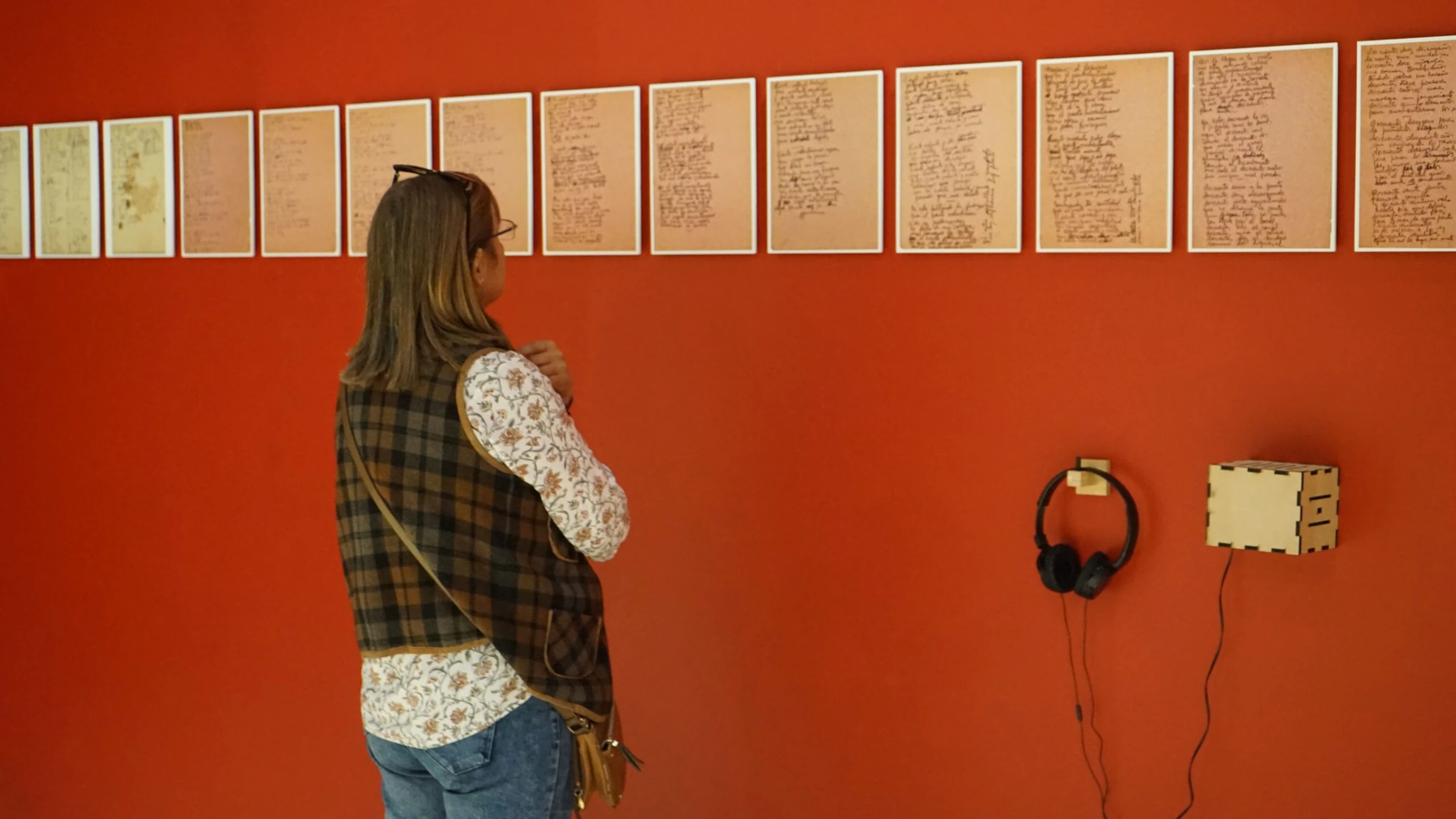
Museo Violeta Parra Reopens in Santiago, Six Years After Fire and Protest Damage
Chile's Museo Violeta Parra has resumed programming in its original Santiago building after years of closure following a 2020 fire.
Museo Violeta Parra has reopened in Santiago after a six-year interruption that began with a fire during Chile's protest cycle in 2020. The return is culturally significant beyond institutional logistics. Violeta Parra's work sits at the intersection of music, craft, class memory, and political imagination in Chile, so reopening the museum reactivates a symbolic public site as much as an exhibition venue.
The museum's latest public calendar emphasizes participation-oriented programming, including guided visits, education activities, and publishing initiatives. That choice is strategic. Reopening institutions after traumatic disruption often have two options: stage prestige or rebuild audience trust. The Museo Violeta Parra appears to be prioritizing the second, anchoring recovery in recurring public use rather than one-off spectacle.
Violeta Parra's legacy requires this approach. Her practice cannot be contained within a single disciplinary category. She moved between songwriting, visual art, textile work, field research, and vernacular archive-building. A museum devoted to her work has to function as both interpretive institution and civic platform, especially in a city where cultural infrastructure is often read through social conflict and state response.
From a policy standpoint, the reopening highlights how vulnerable cultural institutions can be during periods of political rupture. Physical damage is visible, but continuity damage is usually deeper: interrupted education pipelines, paused conservation cycles, donor drift, and audience habit loss. Restarting operations in 2026 means rebuilding all four at once, usually with tighter budgets and heavier public expectation.
The museum's recent communications suggest an effort to reconnect folklore discourse with contemporary civic life, rather than museumize Parra as untouchable heritage. That is the correct curatorial move. Static commemoration tends to depoliticize artists whose work emerged from social contradiction. Dynamic programming preserves friction, which is where this archive remains relevant.
Internationally, the reopening also adds a useful case study to conversations about post-crisis cultural recovery in Latin America. Too many reopening narratives are framed as simple resilience stories. In practice, they are governance stories, involving municipal coordination, cultural ministry support, technical remediation, and community legitimacy. Each of those has to function for a reopening to hold.
For curators and funders outside Chile, the lesson is direct. Institutions rooted in living political memory cannot be stabilized by building repairs alone. They need program design that gives local publics reasons to return repeatedly, especially younger audiences who encountered the institution first through crisis coverage rather than sustained visitation. The museum's April agenda, which combines reading, workshops, and mediated visits, points toward that longer rebuild strategy.
Museo Violeta Parra's return does not close the chapter opened in 2020. It opens a more demanding one. The challenge now is to keep the building active enough, and intellectually sharp enough, that it remains a place where Chile's cultural debates are produced, not only remembered.