MSCHF’s Angus Project Saved a Cow and Exposed the Limits of Viral Ethics
MSCHF’s tokenized ‘Our Cow Angus’ project crossed its rescue threshold, but the episode raises harder questions about whether spectacle-driven participation can produce serious ethical discourse.
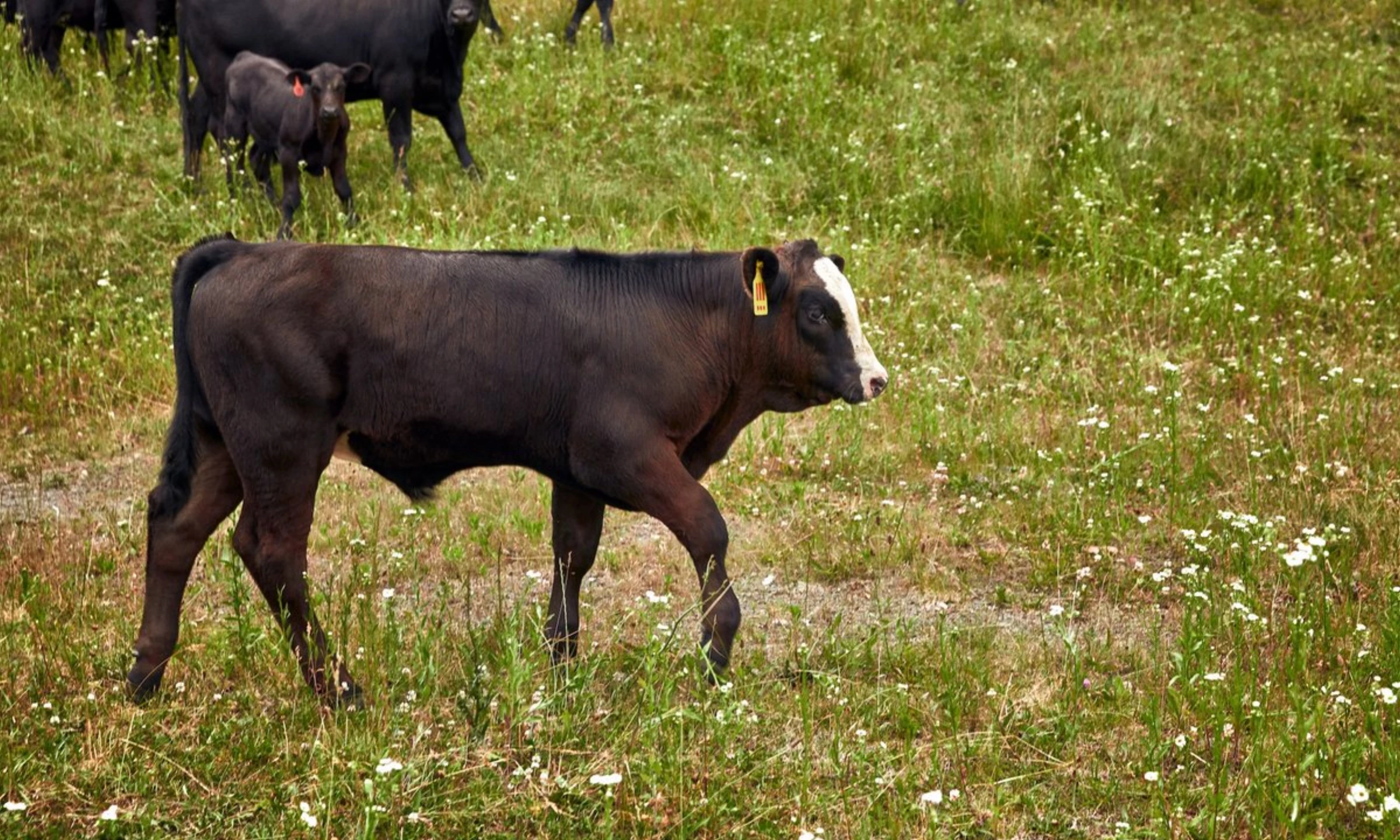
MSCHF’s Our Cow Angus project reached its rescue threshold on Friday, meaning the cow at the center of the experiment will not be slaughtered for the burger-and-bag tokens initially tied to his life cycle. On paper, that is a successful intervention. In practice, the project’s afterlife is less a win for animal ethics than a warning about what happens when moral stakes are gamified for internet scale.
The mechanics were intentionally provocative: MSCHF pre-sold tokens representing future products from one animal, then allowed buyers to reverse course through a ‘remorse portal.’ If enough token holders returned their claims, Angus lived. If not, he entered the meat and leather pipeline. The collective framed this as a retroactive consumer-choice model designed to collapse the psychological distance between purchase and consequence.
That premise has conceptual bite. Most industrial consumption systems are built on abstraction: products arrive severed from the life, labor, and extraction that produced them. Reattaching outcome to buyer agency could, in theory, force harder reflection. But the public conversation that followed largely migrated to high-velocity social platforms where outrage, trolling, and factional performance outcompete sustained argument.
As The Art Newspaper reports, the final stretch of engagement did produce the needed returns to save Angus. Yet the surrounding discourse often tilted toward memes and antagonism rather than structural questions about factory farming, leather supply chains, or pricing systems that normalize ethical outsourcing. In other words, the project delivered emotional intensity without consistently delivering analytic depth.
This is not a new problem in contemporary art using live animals. The field has a long record of works that claim ethical confrontation while relying on shock to generate visibility. The strongest versions make accountability legible in space and context. The weakest versions outsource interpretation to spectacle and call the resulting noise ‘engagement.’ Our Cow Angus sits uncomfortably between those poles.
Its real contribution may be diagnostic. The project demonstrates that digital participation frameworks can mobilize attention quickly, but that attention is unstable and easily captured by performative cruelty or tribal signaling. If art aims to produce reflective judgment, then interface design and moderation architecture become curatorial decisions-not afterthoughts.
For institutions watching this episode, the takeaway is straightforward: participatory ethics projects need stronger scaffolding than binary thresholds and social virality. They require context, expert framing, and follow-through beyond the climax moment. Otherwise, they risk reproducing the very distance they claim to critique.
Angus lives. That matters. But the harder question remains unresolved: can market-native conceptual art meaningfully transform ethical behavior, or does it mostly aestheticize the terms of conflict? This project answered the first-order question of survival. It did not settle the second-order question of responsibility.
There is also a legal and policy angle that deserves more attention than it received in the social feed cycle. Food and leather systems are governed by regulation, subsidy, labor conditions, and international trade. A symbolic rescue event cannot substitute for that policy layer, but it can direct audiences toward it if the editorial framing is explicit.
A stronger second phase for this project would include transparent accounting: how many tokens were purchased, how many were returned organically versus repurchased by advocates, and what demographic or geographic patterns shaped outcomes. Without that disclosure, it is difficult to evaluate whether the intervention changed behavior or simply concentrated attention among already sympathetic participants.
The project could also publish an educational dossier on industrial cattle economics, emissions, and welfare standards to convert attention into actionable literacy. If the stated goal is to challenge passive consumption, then usable knowledge should be treated as a core deliverable, not optional follow-up.
Further reading and context: ASPCA animal welfare resources, FAO livestock and food-system data, and World Animal Protection.