Record Heat Waves Threaten Monet's Gardens in Giverny
France's unprecedented summer heatwaves have damaged iconic flowers at Claude Monet's historic Giverny gardens as gardeners race to adapt
What Happened at Giverny
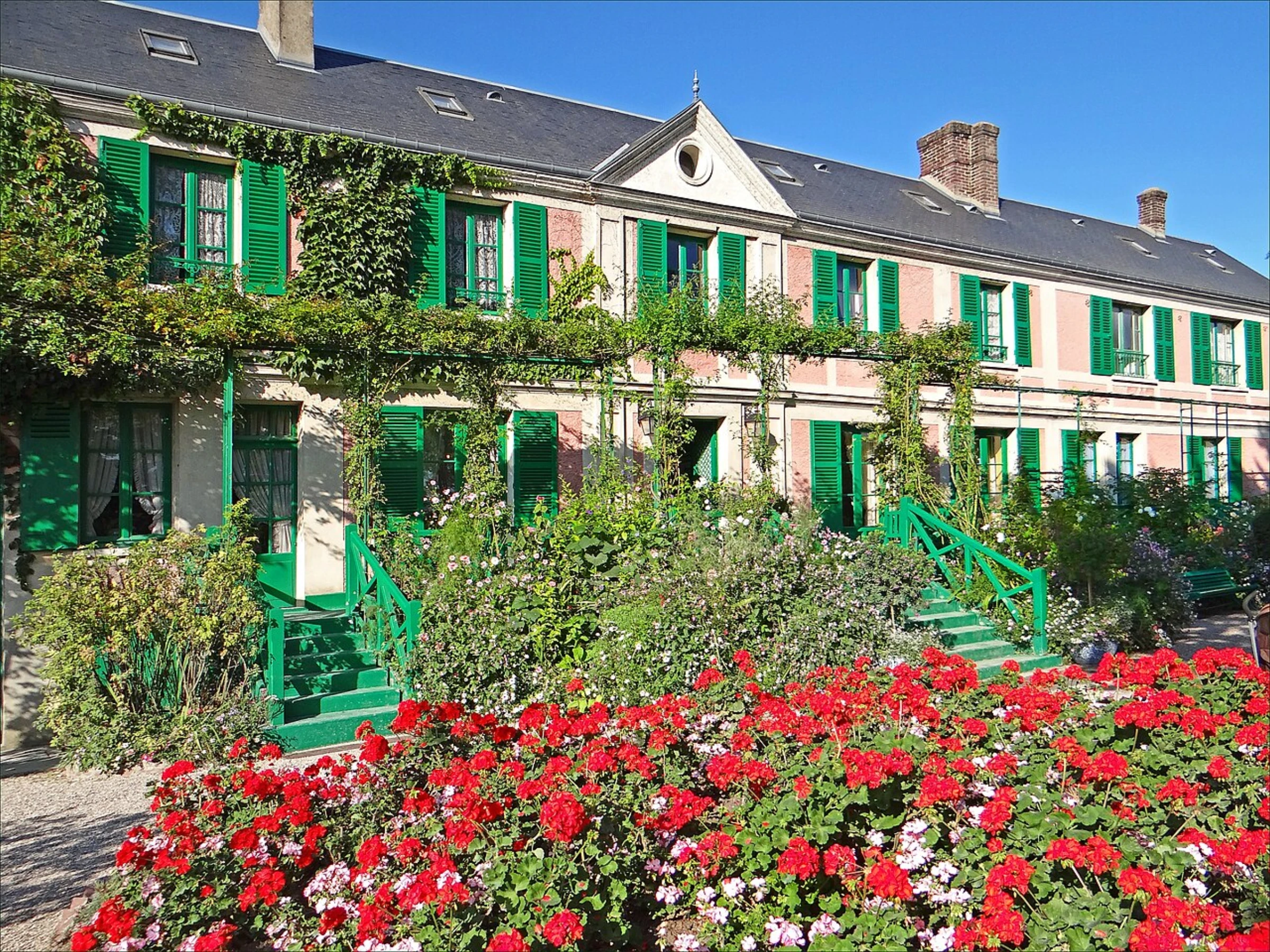
France has endured record-breaking successions of heatwaves during the summer of 2026, producing massive wildfires across the country and a spike in heat-related deaths, according to French public health services. The extreme temperatures have also taken a visible toll on one of the country's most cherished cultural landmarks: Claude Monet's gardens at Fondation Claude Monet in Giverny, Normandy. Gardeners at the site have confirmed that some of the iconic flowers that populate the Impressionist master's historic gardens have not survived the relentless heat.
The Giverny gardens, which draw more than 500,000 visitors annually and rank as the second most visited tourist site in Normandy after Mont Saint-Michel, serve as a living artwork that Monet cultivated over four decades. The property includes the Clos Normand flower garden in front of the house and the water garden across the road, featuring the Japanese bridge and water lily pond that inspired some of the most celebrated paintings in Western art history. The sustained heat has stressed plantings that have thrived in Normandy's traditionally mild maritime climate for over a century.
French public health services have linked the 2026 heatwaves to elevated mortality rates across multiple regions, and wildfires have devastated forested areas in southern France in ways that echo the catastrophic 2003 heatwave that killed an estimated 15,000 people. Normandy, historically known for its cool, damp summers, has experienced temperatures that would have been unthinkable when Monet first selected the site partly for its gentle climate. The heat has forced gardeners at Giverny to implement emergency irrigation protocols and reconsider which plantings can survive in what may be becoming a fundamentally different climate zone.
The Gardens as Living Artwork
Monet moved to Giverny in 1883, renting a pink farmhouse with grey shutters that he would eventually purchase in 1890 for 20,000 francs. Over the following 43 years, he transformed the property into an expansive living canvas, planting thousands of flowers and investing enormous sums in their cultivation. By 1904, he employed six full-time gardeners under head gardener Felix Breuil, with one gardener dedicated solely to maintaining the water lily pond from a small boat. Monet reportedly paid to have the public road separating his two gardens tar-sealed to reduce dust settling on the lilies, a detail that conveys the intensity of his horticultural obsession.
The gardens were not merely a backdrop for Monet's practice but an integral subject of his work. He created his first known paintings of the garden in 1888, and after seeing hybrid water lilies at the 1889 Exposition Universelle, he developed an obsession with aquatic plants that would produce the Water Lilies cycle now housed at the Musee de l'Orangerie in Paris. The Japanese bridge, the weeping willow, and the path of nasturtiums are all elements that appear repeatedly in his late work, making the survival of these plantings a matter of both horticultural and art-historical significance.
Monet's approach to the gardens was deeply systematic. He imported plants from around the world, consulted horticulturalists at the Jardin des Plantes in Rouen, and even hired a Japanese gardener, believed to have been Wasuke Hata, to advise on the construction of the water garden. The garden was designed with painting in mind: color combinations were calibrated for visual impact, and the placement of flowers followed a logic that was as much compositional as horticultural. To lose the original plantings is not merely to lose a garden but to lose a artwork that Monet considered among his greatest achievements, one that he tended with the same obsessive attention he gave to his canvases.
Climate Pressure on Cultural Gardens
The crisis at Giverny reflects a broader challenge facing cultural gardens and heritage landscapes across Europe as climate change accelerates. The gardens of Versailles, designed by Andre Le Notre in the 17th century, have faced water shortages that threaten their elaborate fountain systems and manicured lawns. The Alhambra's Generalife gardens in Granada depend on irrigation systems engineered for a medieval climate that no longer exists. Heritage gardens in Italy, including those at Villa d'Este and Boboli Gardens, have reported stress on plantings that have survived for centuries but now face summers that exceed their historical tolerance ranges.
French public health services recorded elevated mortality rates during the 2026 heatwaves, and wildfires have devastated forested areas in southern France. Normandy, historically known for its cool, damp summers, has experienced temperatures that would have been unthinkable when Monet first selected the site partly for its gentle climate. The region's average summer temperatures have risen by approximately 2 degrees Celsius since the late 19th century, with extreme heat events becoming both more frequent and more intense. For a garden designed around Normandy's historical rainfall patterns and moderate summers, this shift represents an existential threat to the authenticity of the site as Monet knew it.
Gardeners at Fondation Claude Monet are now adapting their practices to cope with conditions that diverge sharply from the climate that prevailed when the gardens were designed. Traditional plantings that depended on reliable rainfall and moderate summer temperatures are being reassessed. The institution faces a difficult balance: preserving the gardens as Monet conceived them, with the same species and layouts documented in historical records, while acknowledging that the climate that sustained them for 140 years may no longer exist. Other European cultural gardens face analogous pressures, though Giverny's status as a working artist's studio-garden makes the stakes particularly acute.
What Comes Next for Giverny
The Fondation Claude Monet has not announced a comprehensive climate adaptation plan, but the visible damage to plantings this summer will likely accelerate discussions about long-term sustainability strategies. Options under consideration at comparable heritage gardens include drought-resistant substitute species, expanded irrigation infrastructure, shade cloth installations during peak heat, and adjustments to planting schedules. Each approach carries trade-offs between historical authenticity and survival of the living collection.
The situation at Giverny also raises questions about how to define authenticity in a living artwork. If Monet's original species can no longer survive in Normandy's changing climate, does fidelity to his vision mean replacing them with close approximations that can endure, or maintaining the original plantings under increasingly artificial conditions? The answer will shape how one of the world's most visited cultural sites evolves in the coming decades. Similar debates have emerged at Kew Gardens in London, where a recent Henry Moore exhibition prompted critical discussion about the relationship between art and nature, and at heritage gardens throughout Europe where conservationists are being forced to choose between preservation and adaptation.
The challenge at Giverny may also influence how other artist-houses and studio-gardens approach climate risk. The Saint-Paul-de-Vence estate where Marc Chagall worked, the Cezanne studio at Aix-en-Provence, and the Nolde Foundation in Seebull all maintain gardens that contribute to the visitor experience and, in some cases, to the historical interpretation of the artist's work. If Giverny adopts visible climate adaptation measures, it could establish a precedent that other institutions follow. Conversely, if the Fondation Claude Monet allows plantings to die without intervention, it risks diminishing the experience that has made the site one of France's most beloved cultural destinations. For now, the gardeners at Giverny continue their work against a climate that Monet, who chose the site partly for its gentle weather, would scarcely recognize
Comparable sites across Europe are already implementing adaptation measures. The National Trust in Britain has published climate risk assessments for its historic gardens, and the French Ministry of Culture has identified vulnerability to heat stress as a priority concern for heritage landscapes. The network of European heritage gardens, including those managed by the Centre des monuments nationaux, has begun sharing data on which plantings are most vulnerable and which substitute species may be appropriate. For Giverny, the challenge is compounded by the fact that the gardens are not only historically significant but artistically significant: every planting decision affects the visual experience that visitors come to see, and any deviation from Monet documented layouts risks diminishing the authenticity that makes the site valuable. The institution must also consider whether traditional horticultural techniques, including the daily watering routines and seasonal replanting that Monet own gardeners practiced, remain viable in a climate where rainfall can no longer be relied upon and where growing seasons have shifted by several weeks compared to historical norms.
The economic implications of climate damage at Giverny extend beyond the gardens themselves. The Fondation Claude Monet generates substantial revenue from ticket sales, merchandise, and licensing agreements that depend on the visual appeal of the property. If the gardens deteriorate, visitor numbers could decline, reducing the income that supports both the property maintenance and the broader cultural programming that the Fondation sustains. Insurance providers have also begun reassessing coverage for heritage gardens facing climate risk, potentially increasing operating costs at a time when adaptation measures already require new investment. The financial sustainability of the site is thus linked to the horticultural sustainability of the gardens in ways that make climate adaptation an institutional priority, not merely a conservation concern.
For now, the gardeners at Giverny continue their work against a climate that Monet, who chose the site partly for its gentle weather, would scarcely recognize. The question that the Fondation Claude Monet faces is not whether to adapt but how to adapt in a way that honors the artist intentions while acknowledging that the conditions those intentions were built upon no longer exist. The answer may determine whether Giverny remains a living artwork or becomes a historical memorial to a vanished horticultural world that once inspired the greatest paintings of the Impressionist era.