Andrew Lloyd Webber Turns the 1911 Mona Lisa Theft Into a New Stage Project
The composer says he is developing a musical on the theft that transformed the Mona Lisa from masterwork into modern mass icon.
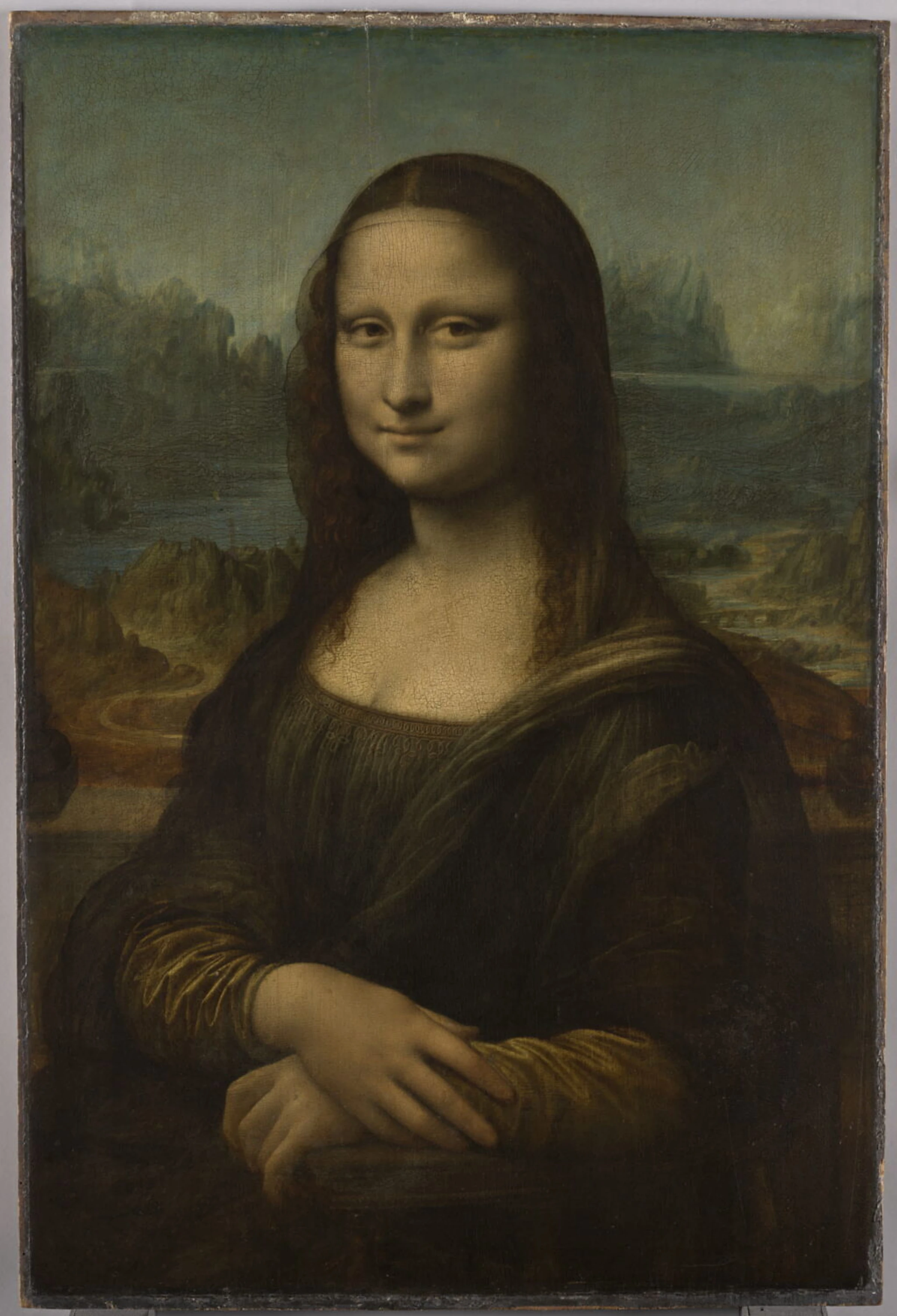
Andrew Lloyd Webber says he is developing a musical centered on the 1911 theft of the Mona Lisa, a historical episode that still shapes how museums, audiences, and cultural industries understand fame. The project’s immediate hook is obvious, a global icon stolen by a museum employee and recovered two years later, but its deeper relevance is institutional.
The theft by Vincenzo Peruggia did more than remove a painting from the wall. It transformed the conditions of visibility around the work. Before 1911, Leonardo’s portrait was highly respected within art history. After the disappearance and recovery cycle, it became a public obsession, circulating through newspapers, rumor systems, and nationalist narratives at a scale previous museum storytelling could not match.
That transition matters for today’s art world because it prefigures the media logic institutions now confront daily. The Musée du Louvre is no longer only a site of conservation and scholarship, it is also a stage on which symbolic events are amplified through global attention economies. A theatrical retelling can therefore work as more than biography. It can examine how cultural authority is manufactured.
Lloyd Webber’s move is also notable in terms of medium transfer. Theater has long borrowed from literature and film, but adapting art-historical incidents is less common at blockbuster scale. If the production reaches major venues, it could introduce museum history to audiences who do not typically engage with curatorial discourse, while simultaneously flattening difficult contexts into narrative archetypes of genius, theft, and redemption.
For curators and educators, this raises practical opportunities. Institutional programming around the musical’s release could connect public interest to archival material, provenance history, and debates on museum security. The most useful response would avoid trivia and instead explain how early twentieth-century press culture, nationalist politics, and museum branding interacted to produce the painting’s modern myth.
For collectors and market observers, the project is a reminder that symbolic narratives can move faster than scholarship and still shape value climates. Works adjacent to canonical stories, secondary portraits, theft-related ephemera, and objects tied to famous legal disputes often attract renewed demand when major cultural products reactivate public memory.
There is also a caution. Theater rewards compression, while art history depends on complexity. A successful adaptation will need to keep the social and institutional stakes legible without turning the episode into a clean morality tale. The strongest version would show how ordinary administrative systems, not only dramatic villains, made the event possible and then magnified it.
If completed, the musical will likely reopen a question that has never fully settled: when does a masterpiece become an icon because of what it is, and when because of what happened around it. In that sense, the production is not about replacing art history with entertainment. It is about exposing how tightly the two have been linked for more than a century.
There is also an institutional opportunity for the Musée d'Orsay and other partner museums in Paris to contextualize the period around the theft, from policing and press culture to collection display protocols. If the musical reaches global touring circuits, that contextual layer will matter for audiences encountering the story first through theater rather than scholarship.
"