Ming Wong’s National Gallery Commission Signals a New Institutional Model for Historical Reinterpretation
A new project at London’s National Gallery places Ming Wong’s queer, multilingual reinterpretation of Saint Sebastian inside one of Europe’s most traditional collections.
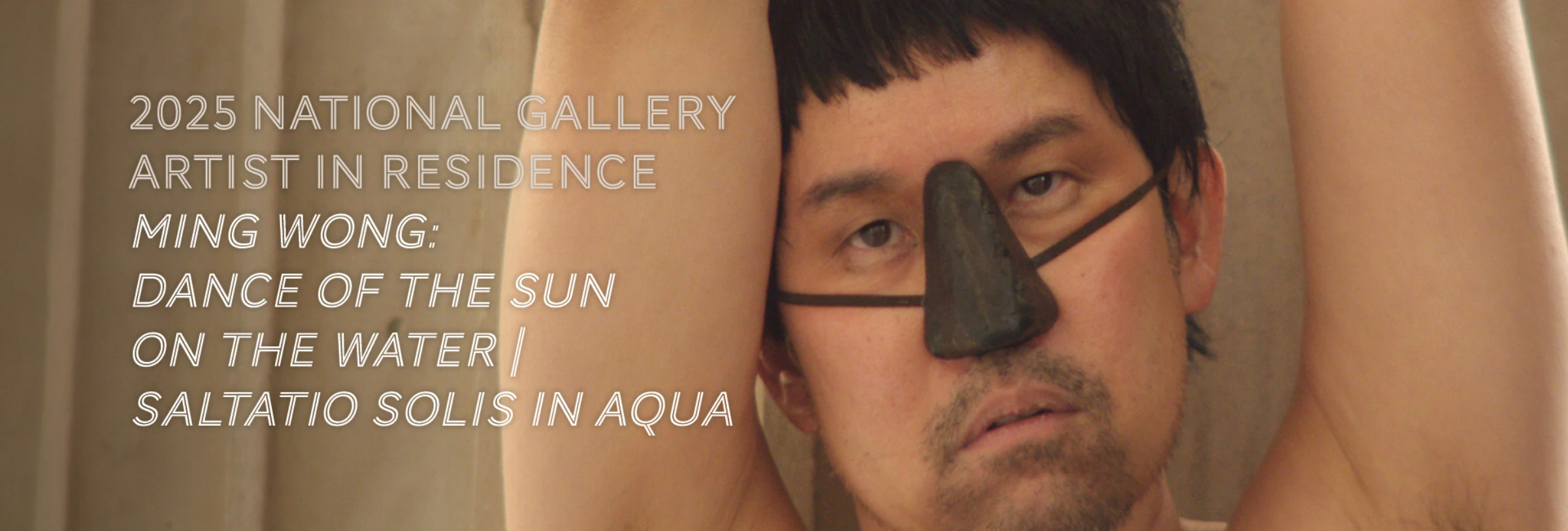
Ming Wong’s new commission at London’s National Gallery has become one of the more revealing institutional signals of the spring. ARTnews frames the project around Wong’s reinterpretation of Saint Sebastian as a mutable figure crossing language, gender coding, and historical register. What makes the development important is not simply the commission itself. It is the venue. When a museum anchored in European painting history commissions a contemporary artist to intervene through performative cinematic translation, it is making a governance statement about how heritage institutions intend to manage relevance.
The exhibition, presented through the Gallery’s artist-in-residence platform, positions Wong’s film and installation work as an active conversation with canonical material rather than a supplemental contemporary add-on. This distinction matters. For years, many encyclopedic museums used contemporary commissions as peripheral programming, adjacent to but not fully integrated with collection interpretation. By contrast, the current model at the National Gallery treats reinterpretation as a curatorial method inside the institution’s interpretive core. It also sits within a competitive London ecosystem that includes institutions such as Tate and the Institute of Contemporary Arts, both of which have expanded interdisciplinary presentation formats.
Saint Sebastian is a particularly charged vehicle for this method because the icon has historically carried theological, aesthetic, and queer-historical readings simultaneously. Wong’s practice, long invested in role play, translation, and identity slippage, is structurally suited to this terrain. The resulting work does not merely “update” a historical narrative. It tests how far a major museum can let artists destabilize inherited iconography without diluting scholarship. That balance is now central to institutional legitimacy for older collections facing younger, plural publics.
For curators, the commission reinforces a working principle: contemporary interventions succeed in historical museums when the institution commits to depth, not novelty. Depth means strong archival framing, transparent links to specific works in the collection, and interpretive materials that treat artistic transformation as an extension of research, not a marketing event. In this case, the Gallery’s residency framework, paired with public-facing exhibition infrastructure, creates a path for sustained engagement rather than one-night visibility.
For collectors and patrons, the project is a useful indicator of where commissioning capital may concentrate over the next cycle. Institutions with heavyweight collections are increasingly investing in artists who can work across media and historical time, especially practitioners capable of moving between film, installation, and discourse communities without flattening complexity. This can influence acquisition patterns well beyond the hosting museum. Works that demonstrate interpretive elasticity in institutional settings often gain secondary-market attention as proxies for curatorial relevance.
The commission also highlights operational questions institutions can no longer avoid. If museums invite contemporary reinterpretations of sacred or canonical imagery, they need clear frameworks for public conversation, educational mediation, and potential political backlash. Reframing historical material is not neutral. It can trigger disputes over authority, identity, and national culture. The institutions best equipped for this phase are those that treat those disputes as part of the mandate, with prepared interpretive teams and consistent scholarly standards.
Wong’s National Gallery project is therefore less a singular event than a marker of direction. It suggests that major collection museums are moving from preservation-first communication toward preservation-plus-reinscription. The collection remains the anchor, but meaning is no longer presented as fixed. In the current institutional economy, that shift may prove decisive for museums seeking to remain intellectually serious while expanding who feels addressed by their most canonical holdings.