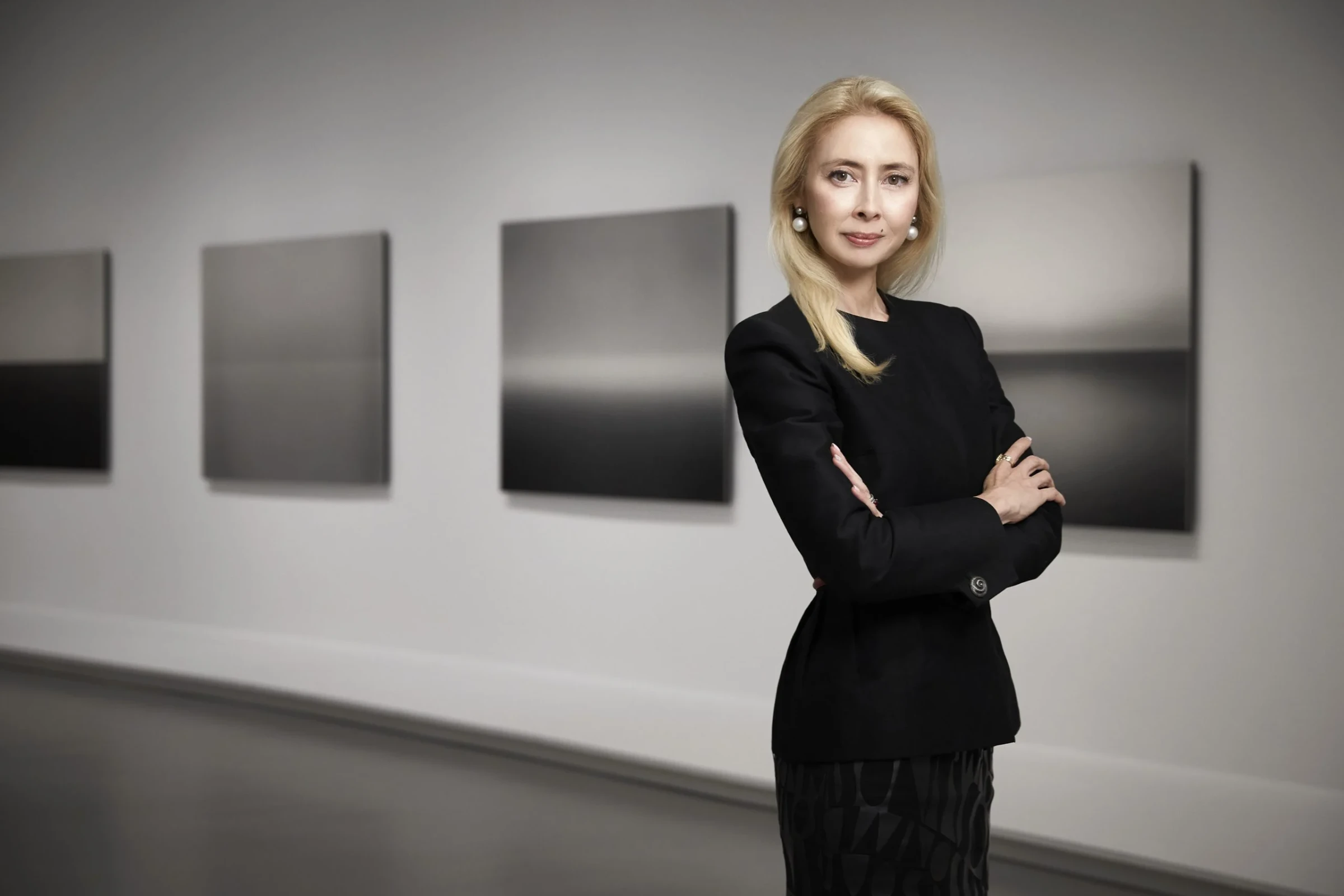
Melissa Chiu’s Move to the Guggenheim Rewires Leadership Across Two U.S. Flagship Institutions
Melissa Chiu will leave the Hirshhorn at the end of August and take over the Guggenheim in September, reshaping strategy in Washington and New York at the same time.
Melissa Chiu will leave the Hirshhorn Museum and Sculpture Garden on 31 August and begin as director of the Solomon R. Guggenheim Museum on 1 September, according to institutional announcements and subsequent reporting. The timeline, with no gap between roles, makes this one of the cleanest high-level transitions in recent U.S. museum leadership, and it lands at a moment when both institutions are managing expansion-era pressures rather than routine continuity.
At the Hirshhorn, Chiu’s tenure is measurable in hard metrics and structural projects. During her leadership period, the museum increased fundraising, expanded attendance, and advanced major capital work, including the long-running sculpture garden redesign. Those outcomes matter because the Hirshhorn sits inside the Smithsonian Institution, where leadership performance is judged not only by exhibitions but by the ability to navigate federal governance, donor ecosystems, and public accountability at national scale.
The official transition statement on the Hirshhorn press page frames the move as an orderly handoff with interim stewardship in place. That detail is important for Washington stakeholders. Museums frequently lose momentum when succession plans are reactive or opaque, particularly when multi-year projects are underway. Here, leadership continuity has been addressed early, which lowers immediate operational risk for programming, staffing, and development.
At the Guggenheim, the appointment lands in a dual-structure moment already in motion. Mariët Westermann has been balancing New York leadership with foundation-wide responsibilities, including the institution’s international branches and the next phase of the Guggenheim Abu Dhabi trajectory. Installing Chiu in New York gives the foundation a director whose record combines curatorial literacy in contemporary practice with evidence of managerial execution across fundraising and audience scale.
For trustees and senior staff across the sector, this move is a reminder that museum directorships are now explicitly portfolio roles. The job requires board fluency, labor management, political judgment, capital oversight, and a credible curatorial agenda that can translate to broad publics without flattening scholarly integrity. Chiu has already operated at that intersection, especially in contemporary and cross-regional programming, where institutions are under pressure to widen narrative scope beyond canonical Euro-American frames.
The transition also reframes competitive dynamics in New York. The Guggenheim enters this cycle while peers are investing in wing expansions, collection reinterpretation, and audience diversification strategies tied to technology and education infrastructure. A leadership change at that level is never neutral. It influences acquisition priorities, departmental hiring, institutional partnerships, and the rhythm of major commissions over a multi-year horizon.
For Washington, the impact is equally substantial. The Hirshhorn’s next permanent director will inherit a museum that has grown in profile and expectation, with an audience that now anticipates visible, high-ambition programming and sustained public-facing momentum. Interim periods can either preserve that trajectory or slow it. The Smithsonian context, with its scale and procedural demands, means the search outcome will shape not just one museum but a national benchmark for contemporary art presentation.
The broader significance is this: two high-visibility institutions have entered linked transition phases at once. In the near term, the story is about continuity and succession. In the medium term, it is about how leadership philosophy translates into institutional risk appetite, curatorial direction, and public legitimacy. By September, the sector will have the first concrete signals, through staffing choices, program framing, and board-level messaging, of what Chiu’s Guggenheim era intends to prioritize.