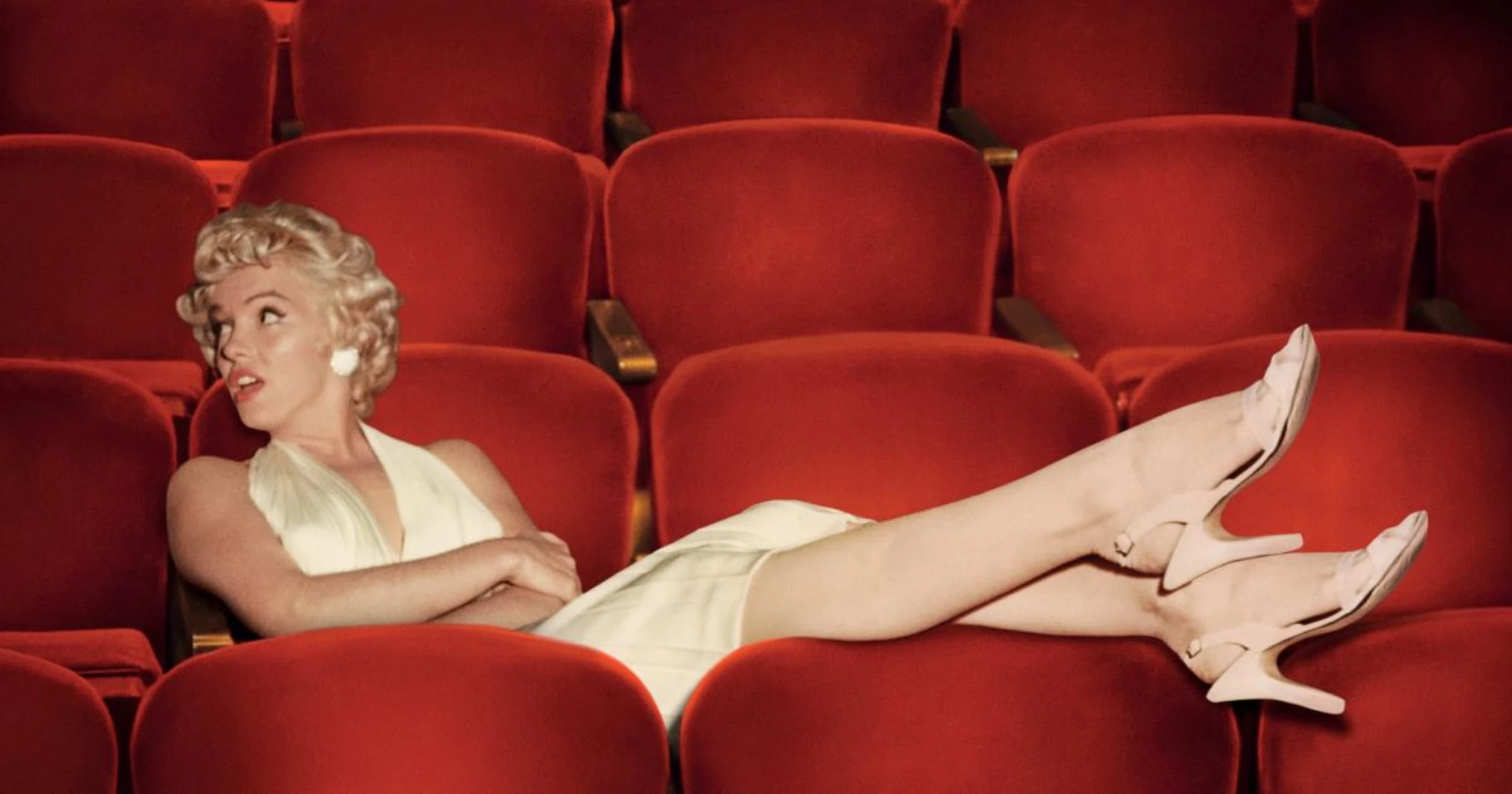
BFI and NPG Reposition Marilyn Monroe as a Producer-Performer, Not a Frozen Icon
Two major UK programs marking Monroe’s centenary are reframing her as a strategic image-maker and production entrepreneur, not just a symbol of Hollywood tragedy.
Marilyn Monroe centenary programming at the British Film Institute and the National Portrait Gallery is advancing a sharper thesis than the usual anniversary cycle. Instead of treating Monroe as a myth consumed by scandal and reproduction, both institutions are foregrounding her as a worker in the image economy, a performer with technical range, and an early example of female authorship inside a studio system built to deny it.
The BFI’s announced program, Marilyn Monroe: Self Made Star, is structured around three strands that refuse the one-note blond-bombshell narrative, musical comedy, dramatic work, and compact scene-stealing roles. That structure matters because it does institutional editing in public. Programming architecture tells audiences how to classify a body of work, and this one nudges viewers toward craft, not gossip.
The centenary moment also lands in a market where Monroe’s likeness is endlessly replicated through licensing, merchandising, and now synthetic image generation. In that environment, the claim that she was image-literate is not nostalgia; it is a media studies point with direct contemporary relevance. The exhibitions frame her as a subject who negotiated circulation, not merely an object circulated by others.
For museums and film institutions, this is a useful model for legacy-name stewardship. Rather than adding another biographical loop, BFI and NPG are using curatorial sequencing to restore distinctions between brand, labor, and artistic decision-making. If institutions can sustain that line inside wall text, screenings, and educational programming, the centenary could shift Monroe reception from personality cult to production history.
There is also a gendered governance argument embedded in the season. Monroe’s attempt to create independent production leverage, often treated as a side note in mainstream retrospectives, is central to this framing. That correction aligns with broader institutional efforts to re-evaluate mid-century women whose influence was historically recorded as charisma rather than management, strategy, or negotiation.
For collectors and curators tracking postwar visual culture, the practical takeaway is straightforward: Monroe remains a high-voltage image field, but institutions are starting to stabilize interpretation around authorship and systems. If this summer’s programs hold that line, they will do more than commemorate a centenary. They will reset the terms under which one of the 20th century’s most reproduced faces is discussed in public culture.
That reset could have downstream effects on programming and acquisitions. Institutions that hold major Monroe-related material, photography archives, costume collections, and postwar pop holdings, are likely to frame future displays with more attention to labor, contract power, and production strategy rather than iconography alone. Viewers who enter through film can follow threads into portraiture and postwar art histories, while visitors entering through art can be redirected to moving-image contexts at BFI Southbank. If the curatorial bridge between cinema and portrait institutions works, this centenary will function as a methodological update, not just a successful season. It also gives educators a cleaner framework for discussing gender, labor, and authorship with students who mostly know Monroe through recycled internet fragments rather than full films.