Border Wall Plans in Texas Raise New Alarm Over Lower Pecos Rock Art Sites
Archaeologists and landowners in Val Verde County warn that planned border wall construction could damage one of North America’s most important concentrations of prehistoric mural art.
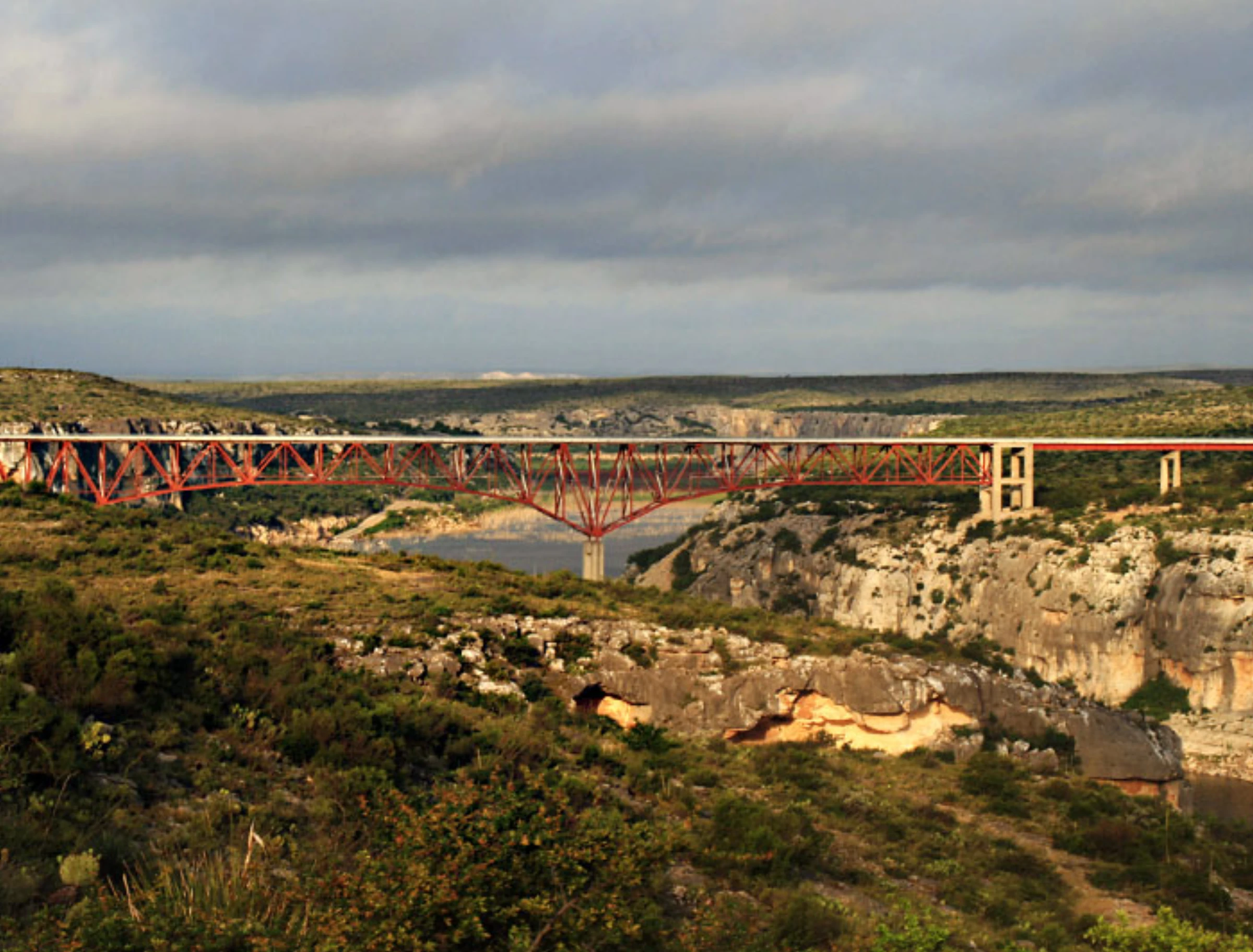
Fresh plans to extend border wall infrastructure in Texas are triggering renewed concern over the Lower Pecos, a landscape that contains one of the most significant concentrations of prehistoric mural art in North America. Archaeologists working in the region and local landowners say proposed alignments in Val Verde County could expose nearby sites to vibration, access disruption, and long-term environmental stress.
The stakes are not symbolic. The Lower Pecos holds hundreds of painted sites, including monumental compositions that preserve visual records of ritual and social life over millennia. Research linked to the Shumla Archaeological Research & Education Center has argued for a painting tradition extending roughly 4,000 years, with some works among the oldest surviving mural practices on the continent.
Federal agencies have said they are conducting required outreach and environmental review. But local testimony reported by multiple outlets suggests confidence in that process remains thin, especially where communities believe consultation arrived late or at insufficient depth. Heritage conflicts of this kind are rarely resolved by technical assurances alone. They depend on whether affected experts and landholders can verify mitigation plans before construction momentum hardens.
The policy contradiction is sharp. The same region has gained growing recognition through national heritage frameworks, including designation pathways tied to the National Park Service and broader archaeological advocacy networks. Expanding protective recognition while simultaneously advancing infrastructure that may destabilise those sites creates an institutional double message that undermines public trust.
For heritage professionals, the case is now a stress test for preventive conservation under political pressure. Rock art is especially vulnerable because it is inseparable from geology. Even when murals are not physically struck, nearby blasting, grading, and heavy equipment can alter micro-environments and rock stability in ways that accelerate loss over time. Once damage occurs, restoration options are minimal and often ethically constrained.
There is also an information governance issue. Regions like the Lower Pecos depend on cumulative site documentation, community reporting, and long-term research partnerships. If construction limits access or fragments management zones, the epistemic infrastructure around the art weakens alongside the physical sites themselves. In practice, loss is both material and archival.
What should happen next is straightforward. Corridor decisions need independent archaeological review at route level, transparent publication of impact models, and enforceable avoidance thresholds, not soft mitigation language. Cultural resource policy cannot be treated as a post-route compliance step in places where route selection itself determines survival outcomes.
For the art world, this is not peripheral heritage news. It is a live question about whether states will protect irreplaceable image cultures when they conflict with high-visibility political infrastructure. If Lower Pecos protections fail under current pressure, the signal will travel far beyond Texas: designation without hard enforcement is not protection, it is paperwork.