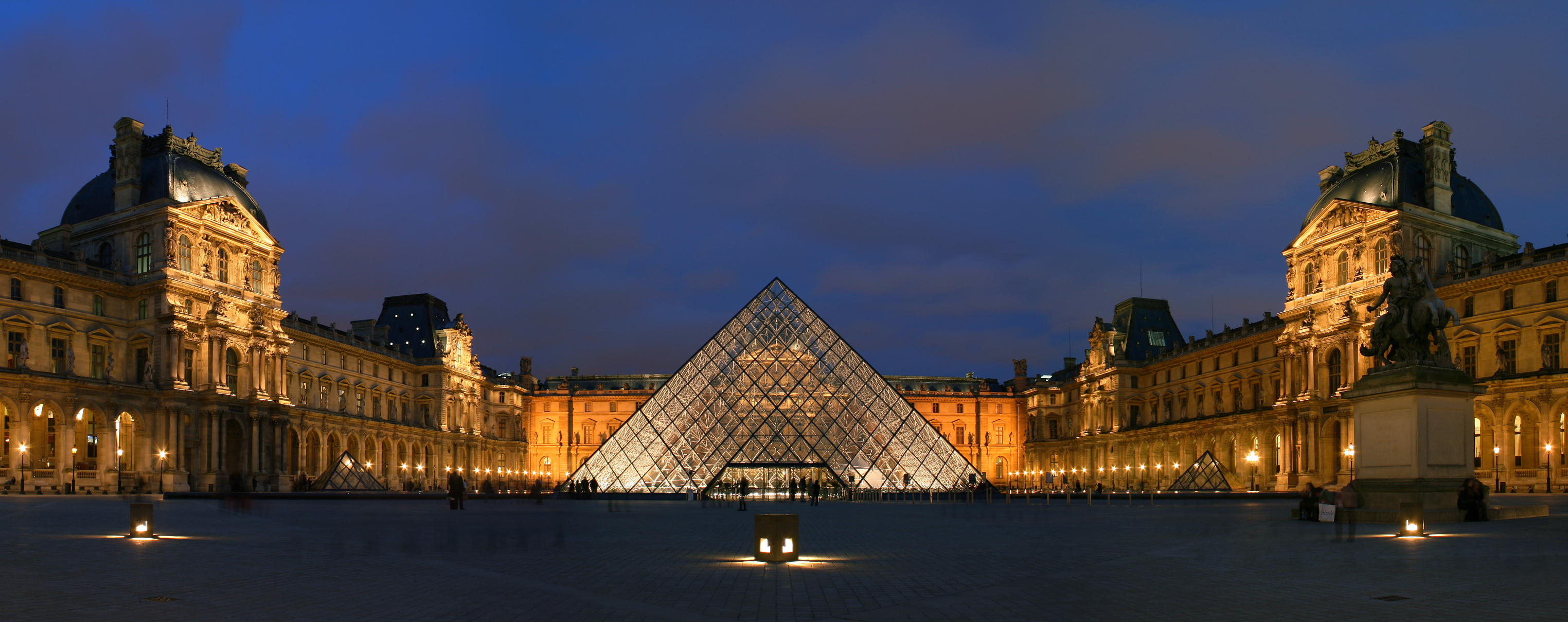
Louvre Director Resigns Amid Heist Fallout and Infrastructure Crisis
Laurence des Cars has stepped down after months of escalating pressure tied to last year’s jewel theft, labor unrest, and unresolved structural vulnerabilities at the world’s most visited museum.
Laurence des Cars resigned on February 24 as president and director of the Louvre, ending a tenure that had become increasingly defined by institutional stress after the October 2025 jewel heist. The departure follows months of public scrutiny over security failures, building deterioration, labor actions, and visitor-flow pressure at what remains the most symbolically charged museum in Europe.
In her resignation message to staff, des Cars reportedly described leading the museum as the honor of her professional life while reiterating a point she had made repeatedly since taking office in 2021: the Louvre’s global scale masks structural fragility. That distinction matters. The immediate headlines have focused on theft and scandal, but the deeper issue has been the mismatch between institutional ambition and the technical, operational, and staffing conditions required to sustain it.
The heist became an accelerant because it translated internal warnings into political urgency. Des Cars had already raised alarms about aging systems and resource limits before the robbery, then returned to those concerns during testimony after the incident. Her position effectively shifted from cultural leadership to crisis governance, with the museum forced to manage reputational damage while dealing with recurring practical disruptions.
The resignation reframes the Louvre crisis as a governance and infrastructure problem, not a one-off security embarrassment.
Those disruptions have been cumulative rather than episodic. In recent months, reports have documented strike actions tied to staffing pressure, gallery closures connected to safety concerns, and water-related incidents affecting collections infrastructure. At the same time, pricing and access debates intensified as officials pursued revenue and capacity adjustments. None of these pressures exist in isolation. Together they form a pattern familiar across major institutions confronting deferred maintenance, climate control burdens, and mass-tourism demand.
A crucial point in this story is that des Cars’s exit should not be read as a simple verdict on one director’s leadership. It also signals the limits of the contemporary mega-museum model when state expectations, global audience volume, and capital investment cycles move out of sync. The Louvre is not only a museum, it is national cultural infrastructure. When that infrastructure is strained, leadership turnover can function as a political pressure release without resolving underlying engineering, staffing, and governance deficits.
The broader policy context has already begun to shift, including plans for a multi-year Louvre modernization initiative that addresses circulation, environmental systems, and visitor access. Those plans now move into a more fragile phase. Leadership transition during institutional overhaul is always high risk: priorities can be re-sequenced, political coalitions can change, and implementation discipline can weaken if interim authority is unclear.
For the international museum sector, the resignation will be watched as a test case in institutional resilience. Many large museums are currently balancing similar pressures, aging buildings, energy-intensive conservation needs, labor constraints, and intensifying public scrutiny, but few do so at the Louvre’s scale of visibility. What happens next in Paris will likely influence how governments and boards frame cultural infrastructure funding in other major capitals.
There is also a curatorial implication. Persistent operational instability narrows institutional risk appetite. When security, facilities, and staffing become dominant concerns, ambitious programming can contract toward safer exhibition choices and lower operational complexity. If the Louvre wants to maintain both symbolic authority and curatorial relevance, the next leadership phase will need to protect exhibition ambition while rebuilding the institution’s technical spine.
In the near term, the key variable is transition design: interim governance clarity, continuity of modernization plans, and transparent communication with staff and public stakeholders. Without those, the museum risks drifting into reactive management. With them, the moment could become a structural reset rather than a prolonged aftershock.
Des Cars leaves behind a paradox that will define the next chapter: she helped make the Louvre’s vulnerabilities legible at full political scale, but legibility alone cannot secure transformation. The institution now faces the harder task, converting crisis visibility into durable operational change while preserving its public mandate and curatorial authority.