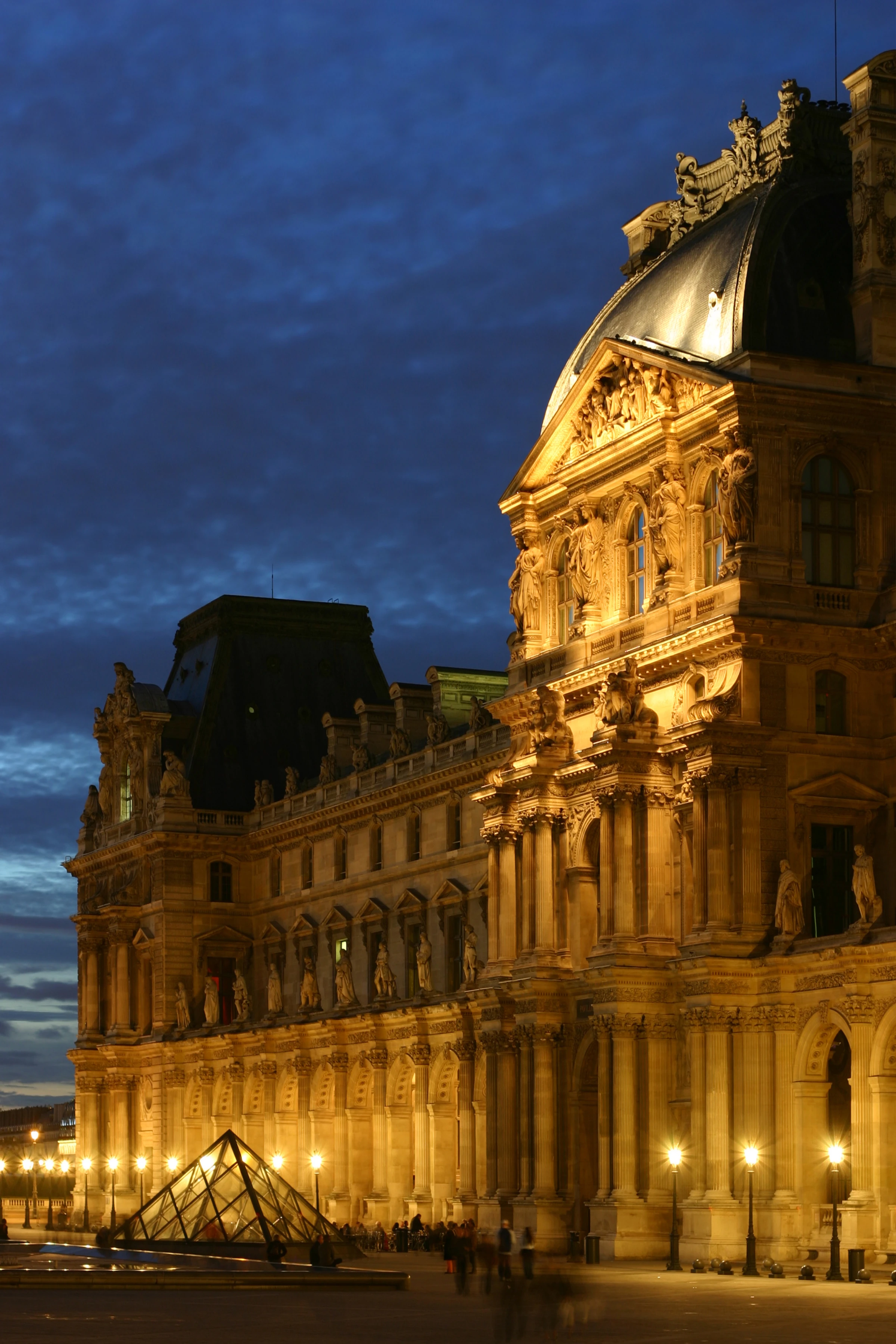
Christophe Leribault Appointed Louvre Director Amid Major Renovation Plans
French President Emmanuel Macron appoints Christophe Leribault to lead the Louvre out of crisis, tasking him with managing a massive renovation project while addressing security, overcrowding, and institutional challenges.
French President Emmanuel Macron appointed Christophe Leribault as the new director of the Louvre Museum on February 25, 2026, selecting an experienced art historian to lead one of the world's most prestigious cultural institutions through a period of significant challenge and transformation.
Leribault, 62, previously directed the Palace of Versailles since 2024 and before that led the Orsay Museum. His appointment follows the resignation of Laurence des Cars, who stepped down in the aftermath of a high-profile jewel heist at the Louvre in October 2025 that exposed serious security vulnerabilities at the museum.
The appointment of an experienced institutional leader signals a preference for stability during a period of recovery.
The heist, in which armed thieves escaped with jewelry worth millions of euros, triggered a chain of revelations about institutional failures. Subsequent investigations uncovered a decade-long ticket fraud scheme that cost the museum over 10 million euros in lost revenue. Water leaks damaging artifacts and staff strikes over pay and overcrowding further compounded the crisis.
Government spokesperson Maud Bregeon described Leribault's appointment as a vote of confidence in his proven leadership at major French institutions. 'He has demonstrated exceptional capacity to enhance security, modernize operations, and improve visitor experience,' Bregeon said in a press conference. 'These skills are exactly what the Louvre needs at this moment.'
The new director faces immediate challenges on multiple fronts. Security infrastructure requires comprehensive overhaul, with the museum announcing plans to install new surveillance systems, restrict access to sensitive areas, and revise protocols for handling valuable objects. Staff negotiations over working conditions and compensation remain ongoing, with unions threatening further industrial action if concerns are not addressed.
Perhaps most ambitious is the 'Nouvelle Renaissance' renovation project, a sweeping modernization initiative that will fundamentally transform the museum's relationship with its collections and its visitors. The project includes a new entrance on the Seine River, expanding the museum's footprint below ground level to create additional exhibition space and visitor amenities. Perhaps most controversially, the plans call for a dedicated timed-access room for the Mona Lisa, allowing visitors to view the painting in a controlled environment rather than the current crowded gallery.
The total budget for the renovation is estimated at 1.15 billion euros, with construction potentially spanning a decade. The project has drawn both praise and criticism. Supporters argue the modernization is long overdue and will improve the visitor experience while protecting artworks. Critics worry that the scale of construction will disrupt museum operations and alter the character of the historic building.
Leribault's experience at Versailles, where he oversaw major restoration projects and navigated the complexities of managing a historic royal residence, prepared him for this moment. The Louvre is a larger institution but faces similar challenges of balancing preservation with public access and managing the expectations of diverse stakeholders.
The appointment is also notable for what it represents about French cultural policy. Despite the crisis, the French government has signaled commitment to maintaining the Louvre's preeminent position in the global museum landscape. The choice of a director with proven institutional management experience rather than a more controversial or experimental figure suggests a preference for stability during a period of recovery.
Art world observers are watching closely. The Louvre is not merely a museum but a symbol of French cultural authority, and its trajectory affects perceptions of European cultural institutions more broadly. How Leribault manages the immediate crises while steering the renovation project will define his tenure and potentially reshape one of the world's most visited cultural destinations.
His first priorities will likely involve stabilizing staff relations, announcing security improvements, and providing more detail on the renovation timeline. The museum receives over 9 million visitors annually, and any disruption to operations carries significant economic and reputational implications. The coming months will test whether the Louvre can move beyond its crisis mode and begin a new chapter under experienced leadership.