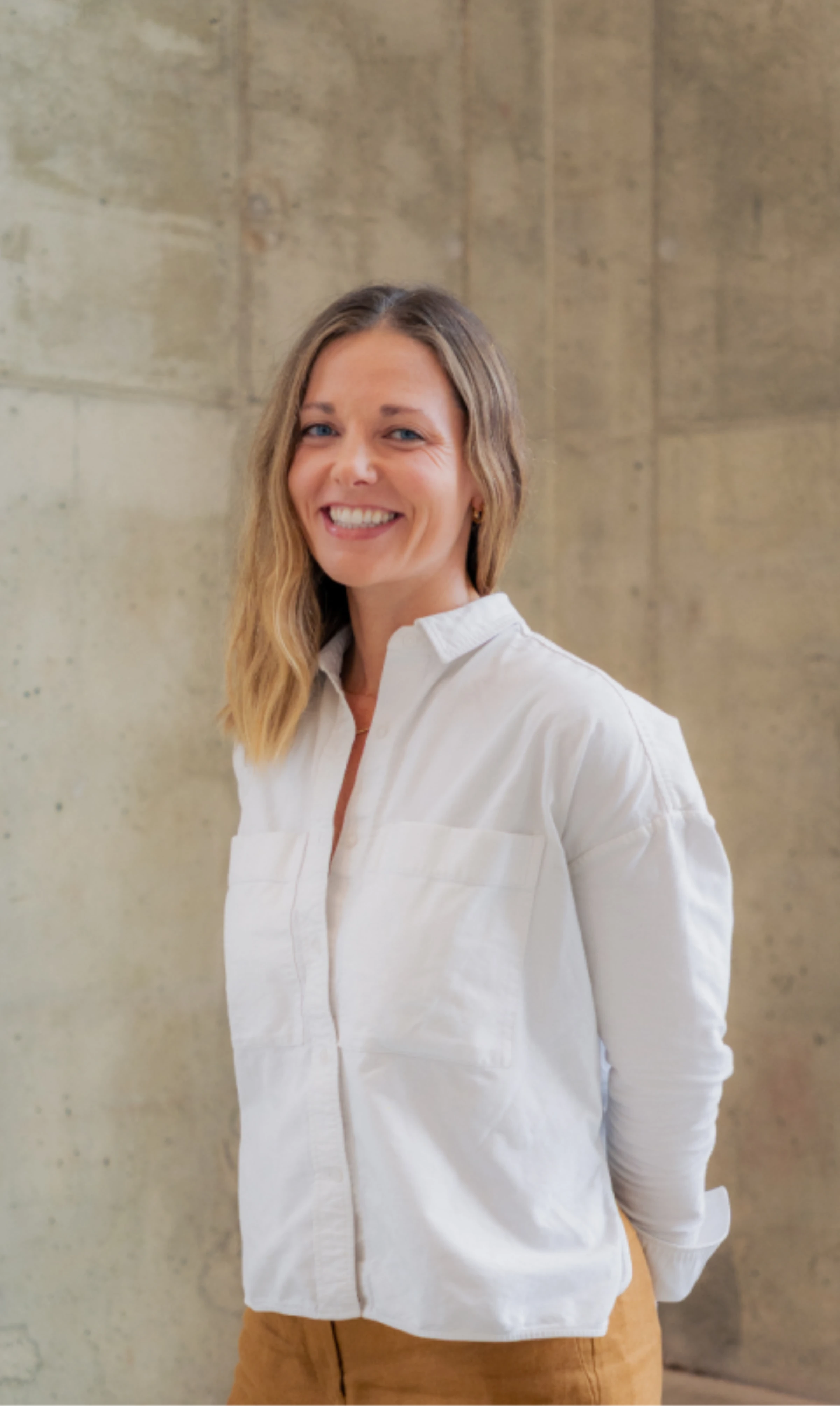
Liz Munsell Joins Powerhouse Arts as Curatorial Vice President
Powerhouse Arts has named curator Liz Munsell vice president of curatorial arts and programs, signaling a stronger institutional push around artist services, exhibitions, and public programming in Brooklyn.
Powerhouse Arts has named Liz Munsell as vice president of curatorial arts and programs, giving the Brooklyn nonprofit a senior curator with experience across museum and academic structures. The move follows a period of rapid profile growth for Powerhouse Arts, which has expanded its role in artist production support while also building a stronger public facing curatorial identity.
Munsell arrives with experience from the Jewish Museum in New York, the Museum of Fine Arts, Boston, and Harvard linked curatorial contexts. That background matters because Powerhouse Arts sits in a hybrid space between production infrastructure and cultural programming. It needs someone who can work with artists directly while also structuring institutional narratives that attract audiences, funders, and long term partnerships.
The appointment also lands at a strategic moment for the organization. Powerhouse has invested in residency support, technical fabrication ecosystems, and events that connect artists with collectors and institutions. Curatorial leadership at this level is less about one exhibition cycle and more about governance of cultural direction, especially in a borough where nonprofit missions are often pressured by real estate economics and donor expectation.
Artforum reports that Munsell will oversee programming expansion, exhibitions, and broader public engagement. In practical terms, that portfolio can reshape how Powerhouse balances specialist artist services with civic relevance. The risk for organizations in this category is becoming a respected backend platform that never quite consolidates public voice. Hiring a senior curator with cross institution experience suggests Powerhouse wants to close that gap decisively.
There is also a leadership succession angle. Munsell succeeds Diya Vij, who moved into New York City cultural governance. That handoff underlines how closely linked nonprofit art operations have become with municipal cultural policy ecosystems. Personnel movement between these spheres can improve coordination, but it also raises expectations that institutions deliver measurable public value beyond elite programming optics.
The near term test will be execution quality. Powerhouse can announce ambitious program language, but credibility will depend on what artists actually receive in resources, how curatorial risk is distributed, and whether the public programming architecture reaches beyond a narrow professional cohort. Brooklyn audiences are sophisticated and skeptical. They respond to substance, not branding.
If Munsell can align curatorial ambition with production access, Powerhouse could become a model for institutions trying to bridge fabrication infrastructure and exhibition culture in one operational system. That model is increasingly relevant as material costs rise and artists seek institutional partners that provide practical support, not only visibility.
For now, this is a meaningful governance level move, not a symbolic title update. It puts Powerhouse Arts in a position to define a clearer institutional point of view during a period when New York's nonprofit art ecosystem is being judged on access, labor conditions, and long horizon sustainability.
Powerhouse's near term challenge is sequencing ambition with operational capacity: if residency and exhibition promises scale faster than staffing, the institution can create bottlenecks that frustrate artists and audiences alike. Strong curatorial leadership is useful only when backed by clear delivery mechanics.
Reference context: <a href='https://powerhousearts.org/' target='_blank' rel='noopener'>Powerhouse Arts, curatorial role context at the <a href='https://thejewishmuseum.org/' target='_blank' rel='noopener'>Jewish Museum, and institutional background from the <a href='https://www.mfa.org/' target='_blank' rel='noopener'>Museum of Fine Arts, Boston.