Leila Hekmat Commission to Open Gropius Bau Spring Program in Berlin
Gropius Bau will launch its spring season with Leila Hekmat’s two-night performance project, connecting staged revolt, satire, and 1970s protest research.
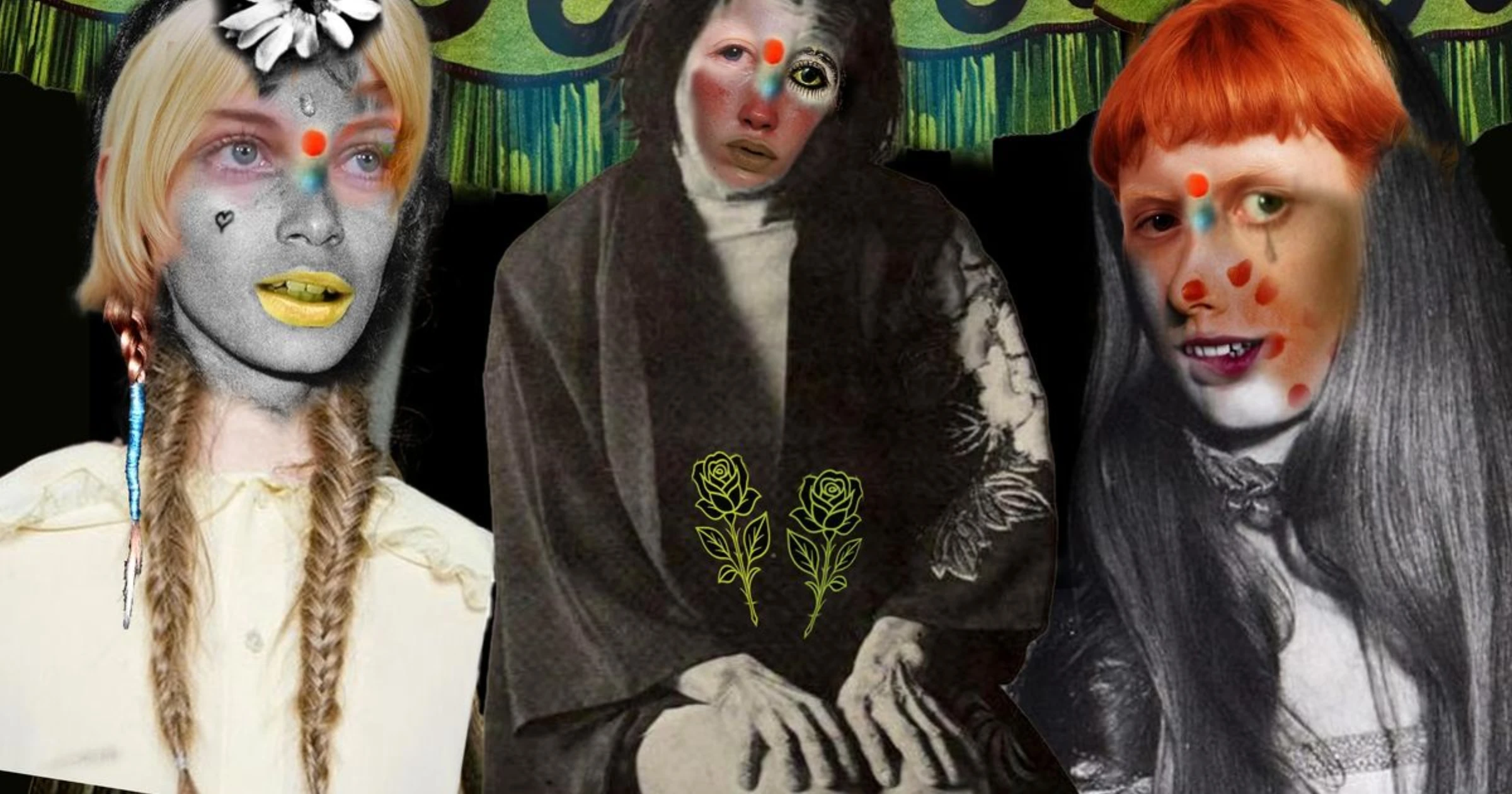
Berlin’s Gropius Bau will open its spring program on March 6 and 7 with a new commission by artist and director Leila Hekmat, titled Roses Rising-The Movement. According to the institution’s e-flux announcement, the project transforms the museum atrium into a performance environment that moves between concert, ritual, ballet, and staged collective fantasy.
The work is built around a fictional group of women whose desire for dissent becomes theatrical leadership, with sequences of chanting, singing, preaching, and choreographed disruption. In Hekmat’s framing, revolution appears not as a linear political script but as a turbulent social performance in which desire, spectacle, and ideology repeatedly collide.
Gropius Bau positions the commission as research-driven, with material development tied to 1970s protest cultures and media ecologies. That historical grounding matters because Hekmat’s practice has consistently used costume, collage, and exaggerated staging to interrogate social power, especially where gender performance and institutional language overlap.
Institutions often talk about experimentation, but commissioning live work that mixes protest history with comic excess is where that claim gets tested.
The project is also part of a broader institutional partnership model. After the two-night presentation at Gropius Bau, a connected stage production, The Dinner, is scheduled to premiere at HAU1 in April, extending the narrative backward to the decadent gathering that precedes the uprising in the first work. This two-part structure pushes the commission beyond one-off event logic toward a serial dramaturgy across venues.
For Berlin’s current program landscape, the commission signals confidence in live art as a core curatorial tool rather than peripheral audience activation. Many museums still struggle to integrate performance without reducing it to supplementary programming; this rollout suggests Gropius Bau is treating performance as an organizing center for season identity.
Hekmat’s appointment is not accidental. The institution notes her previous role as co-curator of Spätschicht and her ongoing studio presence within Gropius Bau, indicating a longer developmental relationship rather than an external guest appearance. That continuity can improve both production quality and conceptual coherence.
As opening-night commissions go, Roses Rising appears designed to set tone as much as content: high-craft visual language, historical citation, and politically volatile humor in one frame. If execution matches concept, it could become one of the season’s most discussed examples of museum performance programming in Europe.
Its thematic language-insanity, unrest, music, and pseudo-spiritual mobilization-also mirrors a wider shift in performance art toward staged collectivity as both critique and coping mechanism. Rather than framing political exhaustion through documentary realism, Hekmat appears to use camp excess and musical cadence to show how collective feeling gets manufactured, shared, and redirected inside moments of crisis.
Whether audiences read the piece as satire, lament, or tactical manifesto will likely depend on staging rhythm and performer chemistry over the two nights. But institutionally, the commission already does significant work by placing embodied, collaborative, and unruly forms at the center of a season launch. That is a curatorial statement about what kinds of art are considered structurally important, not just temporarily fashionable.
In practical terms, it sets a high bar for subsequent spring programming. Once an institution opens with this level of conceptual and performative ambition, the rest of the season is judged against it.