LACMA Sets a Public Opening Date for the David Geffen Galleries After a Decade of Delays
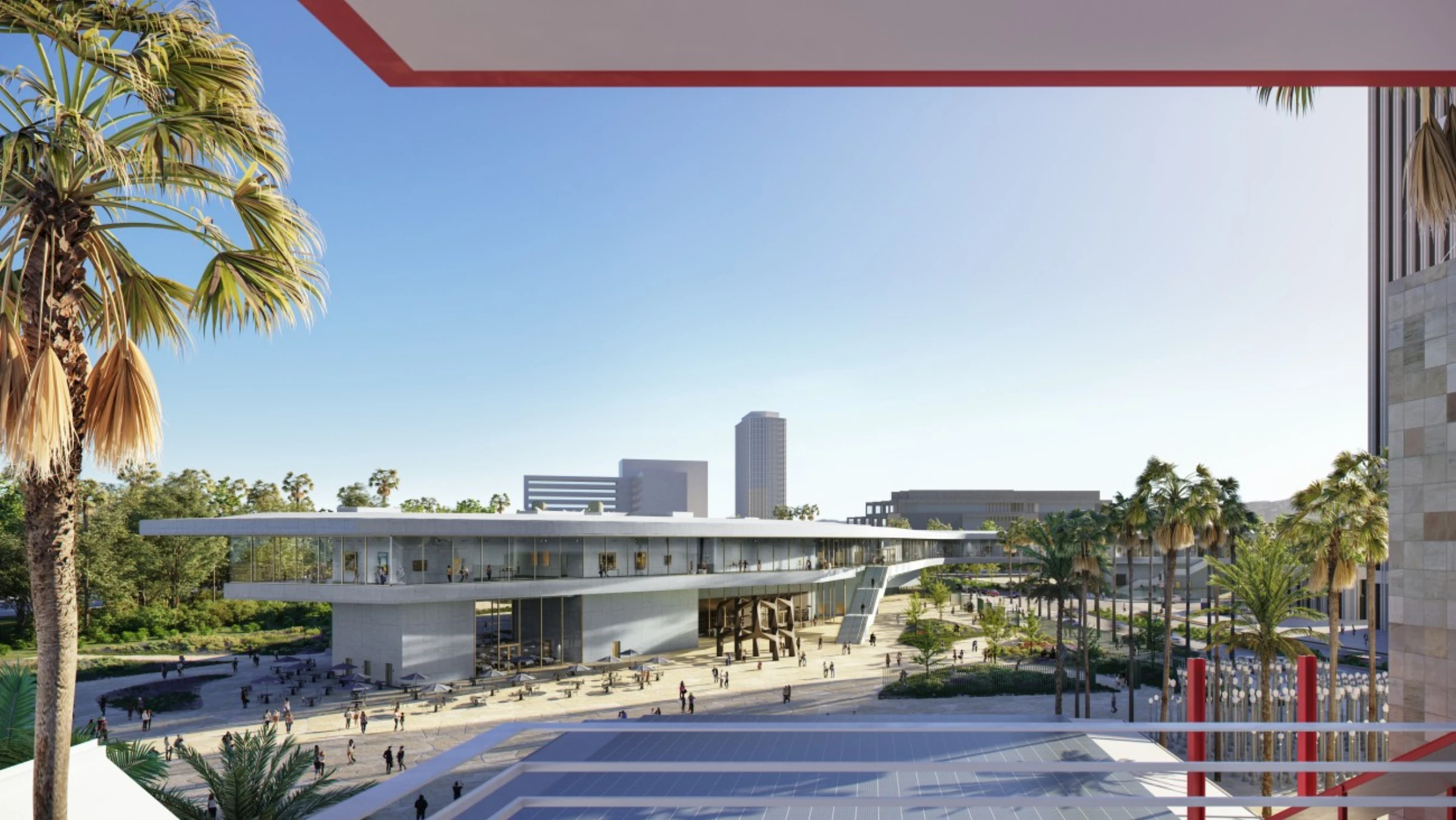
The Los Angeles County Museum of Art says its new Peter Zumthor-designed David Geffen Galleries will open to the public on May 4, marking the culmination of a years-long rebuild.
The Los Angeles County Museum of Art has fixed May 4 as the public opening date for its long-anticipated David Geffen Galleries, a milestone that closes one chapter of debate and opens another: how a large encyclopedic museum should stage world art in a single elevated building. Designed by Peter Zumthor and discussed for more than a decade, the project has become one of the most scrutinized museum builds in the United States, not only for cost and timeline pressure, but for what it implies about curatorial authority in a city that treats experimentation as civic identity.
For institutions, opening day is not the finish line, it is the first hard test. LACMA now has to prove that the architecture can support a living program rather than just a compelling image. The museum has framed its inaugural installation around transoceanic routes and cultural exchange, drawing from holdings that span historical periods and geographies. If that framing lands, it could reinforce LACMA's position as a museum willing to reorder inherited narratives of period and region. If it fails, critics will read the building as an expensive container with unstable interpretive logic.
The stakes are visible in governance and operations as much as in design. A project of this scale required county support, private capital, and sustained internal coordination across curatorial teams, conservation, registration, education, and visitor services. It also unfolded through pandemic-era disruption, labor organizing, and inflationary construction conditions. Opening the galleries therefore signals less a clean architectural triumph than a negotiated institutional outcome, one shaped by policy, labor, fundraising, and public accountability.
What comes next matters for the market as well. Los Angeles has matured into a heavyweight node for galleries, collectors, and artist estates, with major spaces and foundation activity now influencing global attention cycles. A newly opened LACMA campus can intensify that gravity by concentrating collector footfall around major installations, commissions, and acquisitions conversations. Dealers often track museum scheduling as a proxy for collector travel, and museum openings at this level routinely affect private-viewing calendars and secondary-market timing.
LACMA's own platform ecosystem is already signaling this transition. Public programming around the new building appears across museum channels, including talks and events tied to architecture and campus reintroduction at LACMA. The museum's event infrastructure, from institutional conversations to family-facing activation, will be key to turning a headline opening into sustained attendance. The opening also intersects with a period of heightened design attention in Los Angeles, where infrastructure, climate adaptation, and public-space use are increasingly entwined with cultural policy.
Collectors and curators should watch three practical signals in the first six months. First, installation turnover, whether galleries can support rotations that keep repeat visitation high without compromising conservation standards. Second, daylight and display performance across media types, especially for works sensitive to changing environmental conditions. Third, educational uptake, including whether school and community programs expand proportionally with architectural ambition. These are the metrics that separate a symbolic opening from a durable institutional upgrade.
The project also repositions LACMA in relation to peer institutions across North America. At a time when museums are asked to justify capital campaigns against social and ecological constraints, the burden is no longer to build big but to build credibly. That means transparent programming choices, careful stewardship of donor influence, and a curatorial proposition that can survive disagreement. On that front, the Geffen opening is likely to remain a live argument, and that is healthy. Museums at this scale should produce debate if they are doing meaningful work.
In the near term, May 4 will bring what every contested project eventually faces: a public that can finally judge the result in person. LACMA has moved from renderings and criticism into encounter. For Los Angeles, that shift is substantial. For the museum, it is binding. The institution has asked the city to invest trust, money, and patience. Now it has to convert architecture into programming, and programming into long-term relevance.