LACMA Opens the David Geffen Galleries and Bets on a Single-Floor Global Narrative
Los Angeles County Museum of Art opens its long delayed David Geffen Galleries, reshaping collection display, circulation, and civic ambition in one move.
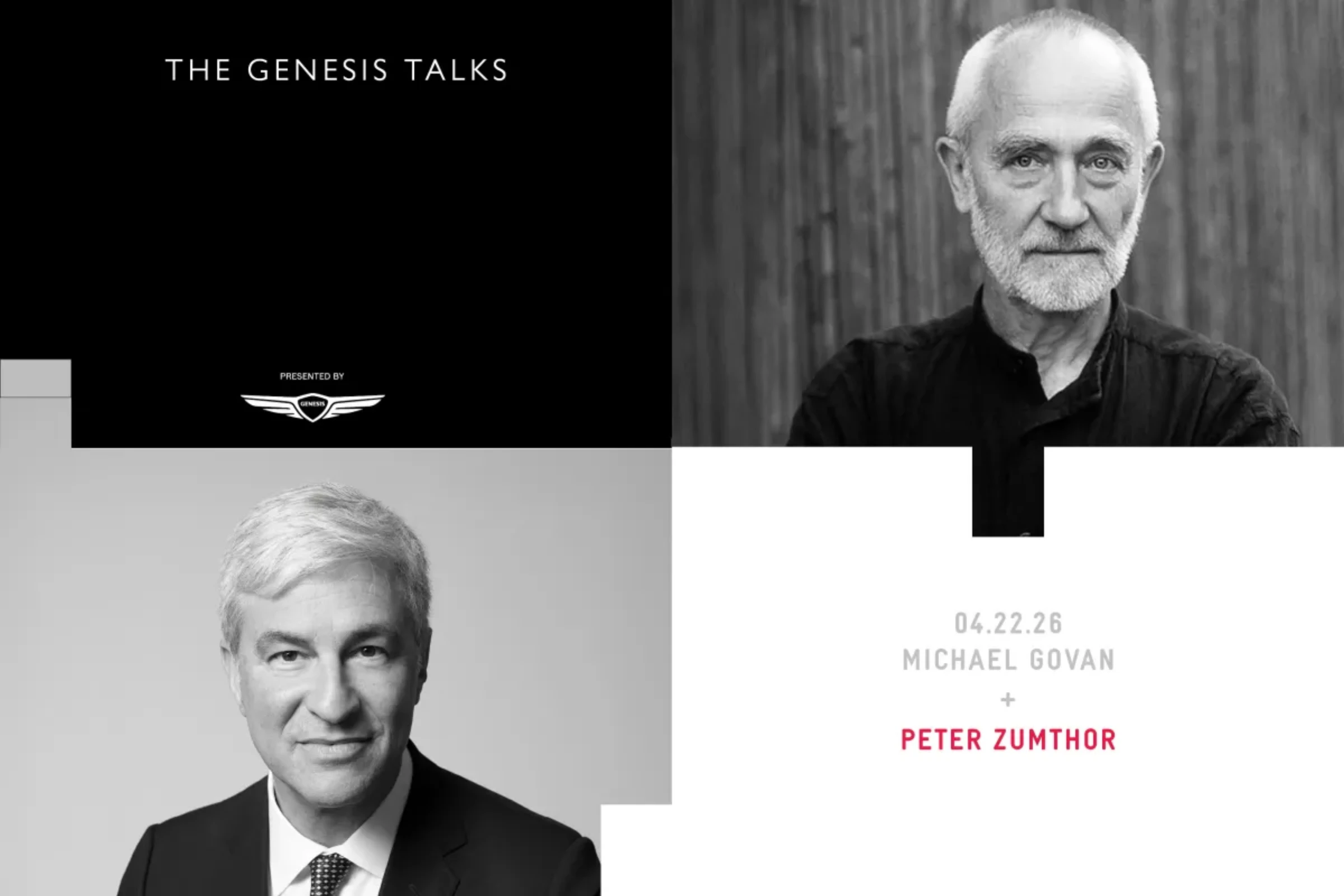
The Los Angeles County Museum of Art has opened its David Geffen Galleries after a long, expensive, and closely watched redevelopment cycle, and the stakes are bigger than architecture. The project, designed by Peter Zumthor, adds about 110,000 square feet of gallery space and a major public realm around the site, while reintroducing a permanent collection strategy that departs from chronological and national siloing. The institutional gamble is clear: if visitors accept a cross cultural, cross period display logic at scale, LACMA can position itself as a model for how large museums recalibrate in a metropolitan, globally networked city.
By the museum’s own framing, this is not a cosmetic expansion. It is a reconfiguration of access, circulation, and interpretation. LACMA has tied the building’s launch to education programming, youth engagement, and public use patterns that reflect Los Angeles itself, including transit shifts along Wilshire. The museum has repeatedly connected this opening to its broader civic role, including neighborhood audience growth and post crisis gathering capacity. Those priorities are described across LACMA’s institutional platform, its NexGen youth membership program, and active exhibition programming such as Grounded.
What matters for the trade is how this affects the way works are seen and therefore valued. A one floor configuration and a thematic, route based installation can surface holdings that were previously under circulated in legacy gallery plans. Curators and market participants should expect a second order effect: artists and categories that had low visibility in older galleries can gain institutional momentum faster once they are inserted into high traffic narrative nodes. That does not change quality overnight, but it does change attention density, and attention density eventually affects acquisition priorities, lending requests, and sponsorship logic.
The building also extends LACMA’s ongoing push to turn the museum from a destination visit into an urban platform. Outdoor commissions, public park space, and integrated education infrastructure are not peripheral decisions, they are retention tools. Museums that can increase dwell time and repeat local attendance are better positioned to absorb donor volatility and tourism cycles. In that sense, the Geffen opening is not only an art historical decision, it is an operating model decision.
There are risks. Non linear displays can flatten historical conflict if they are not sharply edited, and cross cultural juxtaposition can drift into analogy without rigor. LACMA will need to prove, room by room, that its new framework produces sharper meaning, not softer spectacle. The museum has enough curatorial depth to do that, but the proof will be in rotations and interpretive consistency.
Even with those caveats, the opening marks a significant institutional moment for the US museum field. The combination of major capital spend, architectural distinctiveness, and a declared curatorial reset means this is not a routine expansion cycle. It is a directional signal. If the Geffen model succeeds with the public while preserving scholarly credibility, peers will study it closely and adapt pieces of it in their own rebuilds.
For collectors, advisers, and artists, the immediate takeaway is practical. Watch what gets foregrounded in the first year of rotations, which curatorial pairings are repeated, and which works migrate into educational programming. Those are often early indicators of longer arc institutional conviction. LACMA has opened the building. The next test is whether it can sustain a legible, intellectually serious program at the pace this scale now demands.