Inside LACMA’s Oceanic Rehang, a Curatorial Bet on Cross-Cultural Reading
As the David Geffen Galleries open, LACMA reorganizes permanent collections around oceans and circulation, replacing departmental sequencing with a networked curatorial model.
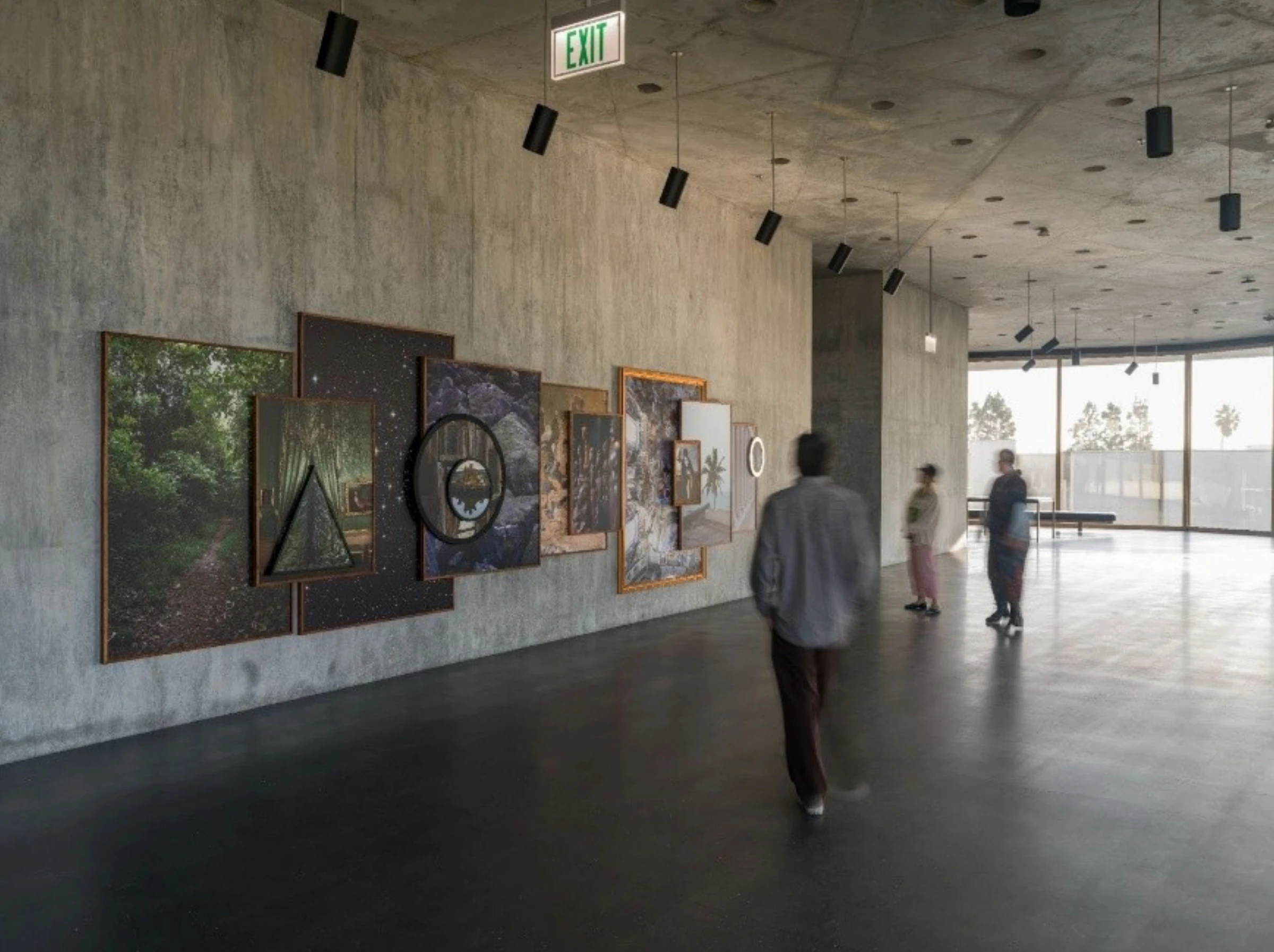
LACMA’s new installation strategy in the David Geffen Galleries is being presented as a design achievement, but the larger story is curatorial governance. The museum has shifted from departmental sequence to an ocean-based framework that places works from different periods, regions, and media into shared visual and historical fields. The key claim is that water routes, not civilizational blocks, are better organizers of cultural exchange.
This has immediate implications for how the institution narrates authority. Traditional encyclopedic displays often imply that categories are neutral and inevitable. LACMA’s approach makes those categories explicit and therefore contestable. Galleries built around the Mediterranean, Atlantic, Indian, and Pacific worlds foreground movement, trade, violence, and translation, not just stylistic chronology. That is a stronger fit for current scholarship and for publics who no longer accept static civilizational storytelling.
The framework is supported by the museum’s long preparation cycle and by internal curatorial collaboration across departments. At a structural level, this is also a staffing story: interdisciplinary hanging is impossible without sustained coordination among teams that were historically siloed. The institution appears to have invested in that process, which reduces the risk that cross-cultural display becomes a one-season curatorial gesture.
Public-facing partnerships remain central to whether the strategy lands. The opening phase is tied to a broader civic push around access and programming through LACMA, while the museum’s profile in Los Angeles architecture debates remains linked to the city’s wider redevelopment cycle. The official opening communications around the David Geffen Galleries make clear that this is intended as a long-horizon institutional reset rather than a short publicity cycle.
For curators, the test will be consistency. A thematic framework can quickly become vague if labels, sequencing, and gallery transitions do not carry argument. LACMA’s strategy appears strongest where objects are made to do historical work, for example when textiles, sculpture, and painting are used to show trade circuits and material exchange rather than treated as separate craft hierarchies. The weakest points, in most museums running this model, emerge when visual juxtaposition outruns explanatory rigor.
For collectors and advisors, this rehang has a market echo. When major museums validate cross-media and cross-geography readings, private collecting frameworks often follow. Artists and works that perform well in these comparative contexts may gain institutional demand even without immediate auction momentum. That matters in an environment where long-term museum relevance is a primary value driver for serious collections.
The framework also creates practical research opportunities for scholars and visiting curators. By placing canonical and under-canonized objects into shared sightlines, the galleries invite fresh comparative work that can be traced through cataloguing, programming, and education departments. If this is carried into publications and loan strategy, the rehang could influence collection interpretation well beyond Los Angeles.
LACMA is effectively betting that visitors can handle complexity if the institution stages it clearly. The opening year will show whether audiences reward that ambition. If they do, this installation model could become a benchmark for other museums seeking to move beyond inherited taxonomies without sacrificing scholarly precision or public readability.