How LACMA Built Scale Over Decades, and Why the Geffen Era Raises the Stakes
As LACMA opens a new chapter with the David Geffen Galleries, its curators are emphasizing a long accumulation strategy, relationship-driven acquisitions, and higher-risk collecting decisions.
The Los Angeles County Museum of Art is using the opening cycle around its David Geffen Galleries to make a broader argument about how major US museums are built. The message from long-serving curators is not about one transformative acquisition or one directoral era. It is about accumulation, sustained donor relationships, and a willingness to keep making institutional bets for decades. In a period when many museums are judged by annual headline numbers, LACMA is presenting a slower model, one that may now be entering its highest-risk phase.
The Art Newspaper’s account of LACMA’s internal history places unusual emphasis on continuity. Senior figures who have worked at the museum for much of the last half century describe a collection strategy that moved incrementally, often through exhibition-making rather than pure purchasing power. That approach was partly necessity. LACMA did not begin with the same concentrated capital base as some East Coast peers, so it developed leverage through partnerships, long-term philanthropy, and curatorial credibility built over repeated cycles.
For collectors and trustees, the practical takeaway is clear: exhibitions can function as acquisition infrastructure. By organizing major loan shows with institutions including the Tokyo National Museum, LACMA created opportunities to secure works that might not have entered the collection through direct market competition alone. This is a well-known tactic in theory, but few museums sustain it over decades with enough discipline to materially reshape collection depth.
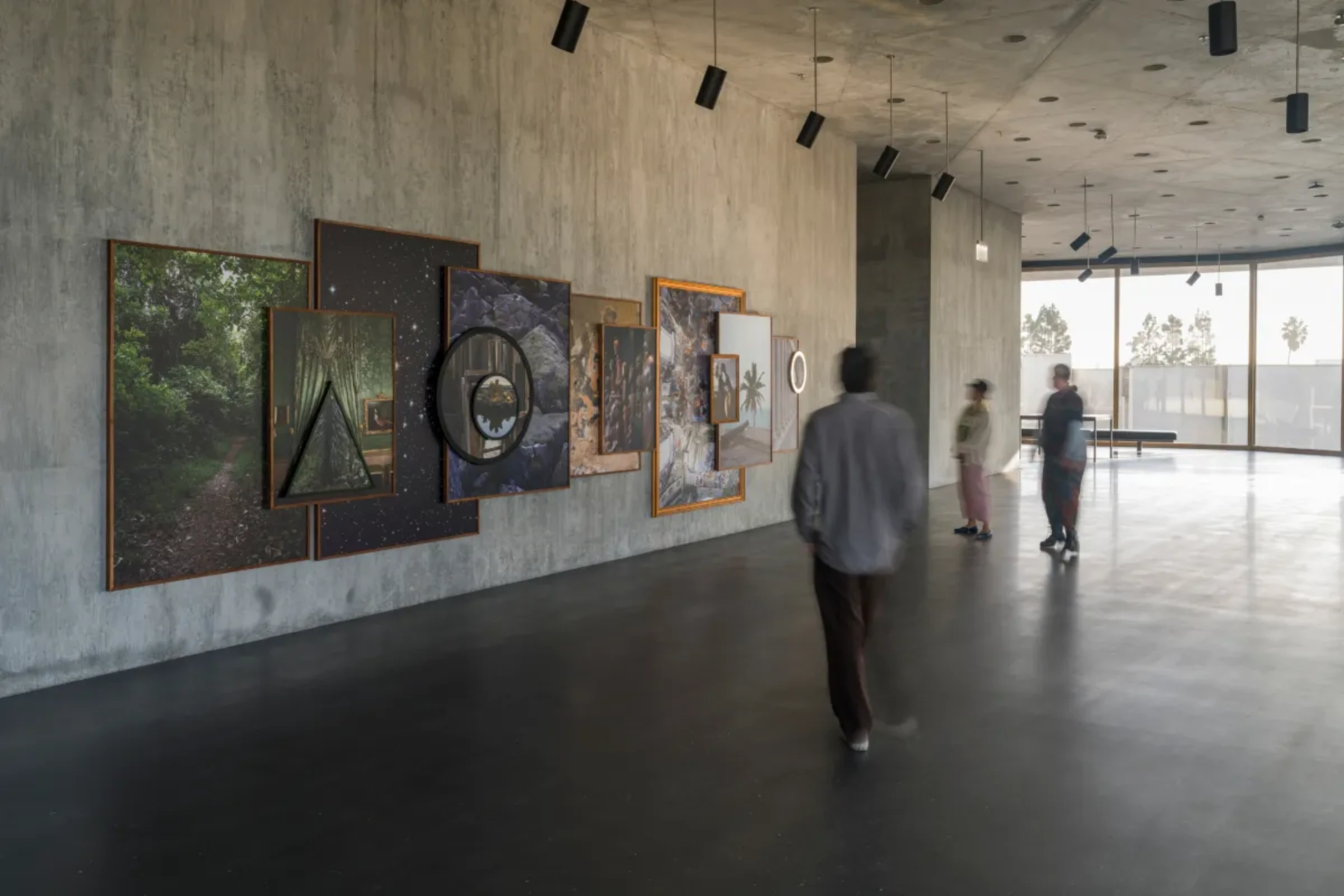
The Geffen moment changes the scale of the wager. New buildings always reset audience expectations, donor pressure, and institutional visibility. They can also expose collection imbalances that were less visible in older display architectures. LACMA’s leadership appears to understand this dynamic. The current framing, including references to major works like Matisse’s La Gerbe, pairs familiar anchors with a substantial volume of recent acquisitions, signaling that the museum wants the new galleries to read as both continuity and re-indexing.
That balancing act matters because encyclopedic museums are now navigating two conflicting demands. Publics and funders ask for relevance to contemporary social realities, while boards still expect blue-chip collection stewardship and long-term asset confidence. LACMA’s strategy has been to avoid choosing one over the other, then absorb the operational strain of doing both. The museum’s willingness to make what curators describe as "newsworthy" acquisitions reflects this dual mandate, though it also raises exposure when market pricing and philanthropic sentiment shift quickly.
Los Angeles context is central here. The city’s patronage ecology differs from older museum capitals, with more distributed wealth, stronger entertainment-industry overlap, and a civic culture that rewards visible experimentation. LACMA has historically converted that environment into institutional advantage, particularly in programming and audience-building. The question for the next five years is whether the same conditions can support the maintenance burden, staffing demands, and collection interpretation complexity that accompany the Geffen build-out.
There is also a governance lesson for peer institutions planning large capital transitions. Building projects are often narrated as architectural milestones, but collection strategy determines whether the new space generates durable intellectual value. LACMA’s own internal narrative, "a teaspoon at a time," acknowledges that spatial expansion without acquisition coherence quickly produces thin programming. The museum’s long-run curation suggests it has tried to avoid that trap by linking physical growth to decades of department-level development.
For artists and dealers, the upshot is that LACMA remains a consequential institutional buyer and validator, but one operating through relationship depth rather than short-cycle opportunism. For collectors, it is a reminder that patient patronage, not episodic spectacle giving, can alter what a museum is able to show fifty years later. For other museums, the Geffen era will be watched as a test of whether a slow-build acquisition philosophy can retain rigor after a major capital leap. LACMA has entered that test with unusually clear eyes about the time horizon involved.