Dulwich Picture Gallery Opens a Major Konrad Mägi Survey for UK Audiences
A London presentation of Konrad Mägi reframes Baltic modernism for a market and institutional audience that is rethinking regional canons.
Dulwich Picture Gallery has opened a substantial exhibition devoted to Konrad Mägi, an Estonian modernist whose work has been under-shown in the UK. The presentation lands at a moment when museums and collectors are reassessing twentieth century narratives that have favored a narrow set of Western capitals.
The curatorial framing matters. Mägi is presented not as a regional aside but as an artist who developed a distinct color and structural language through travel, self-directed study, and close attention to place. This shift in framing is the real news value for institutions deciding how to update canonical stories with rigor.
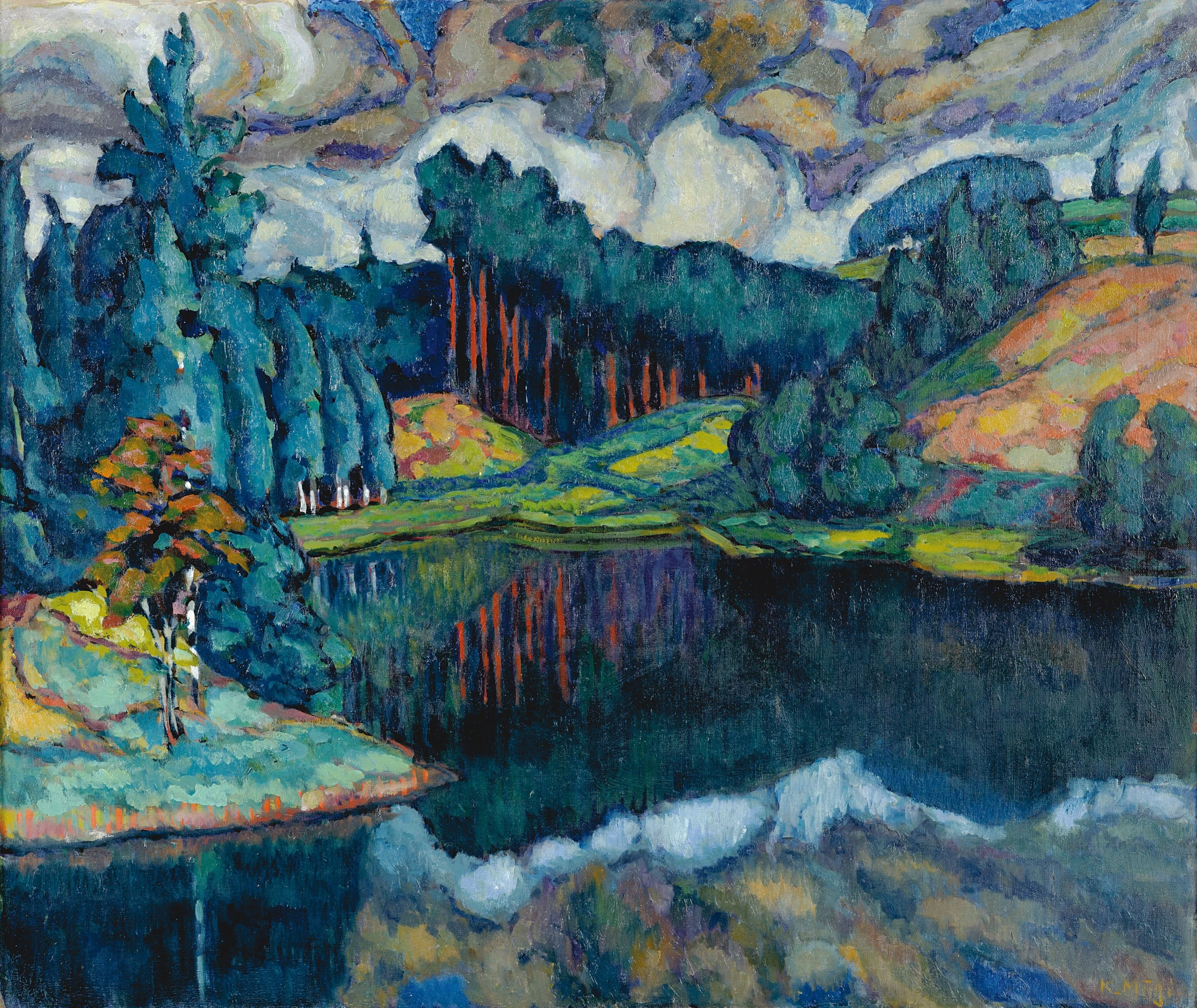
Works including Lake Kasaritsa (Lake Verijärv) clarify the argument quickly. The painting treats landscape as pressure and rhythm rather than passive scenery. Color is used architecturally, not decoratively, and the result feels contemporary in its tension between symbolic atmosphere and direct observation.
For curators, the practical implication is comparative programming. Mägi can productively sit beside exhibitions and holdings at Tate, MoMA, and other institutions without being reduced to novelty. For collectors, the institutional signal is equally clear: when lender ecosystems and scholarship align, long-term confidence around under-recognized modernists tends to rise.
The lender architecture behind this show also deserves attention. Partnerships with institutions such as the Art Museum of Estonia make it possible to present Baltic modernism at scale and with documentary depth. In a climate where museum budgets face scrutiny, these collaborative models offer strong editorial return without blockbuster inflation. If repeated, they can reshape how UK institutions sequence future surveys and how audiences map modernism itself.