Harvard Confirms Kate McNamara as Carpenter Center Director, Formalizing an Experimental Program Shift
After serving in an interim role, Kate McNamara has been appointed director of Harvard's Carpenter Center for the Visual Arts, signaling a continued emphasis on artist-led and cross-disciplinary programming.
Harvard has appointed Kate McNamara as the John R. and Barbara Robinson Family Director of the Carpenter Center for the Visual Arts, confirming the interim direction she began shaping last year. On paper, this is an institutional staffing decision. In practice, it is a governance signal about how one of the most visible university art spaces in the United States intends to position itself during a period when campus-based art institutions are being asked to justify both scholarly rigor and public relevance at once.
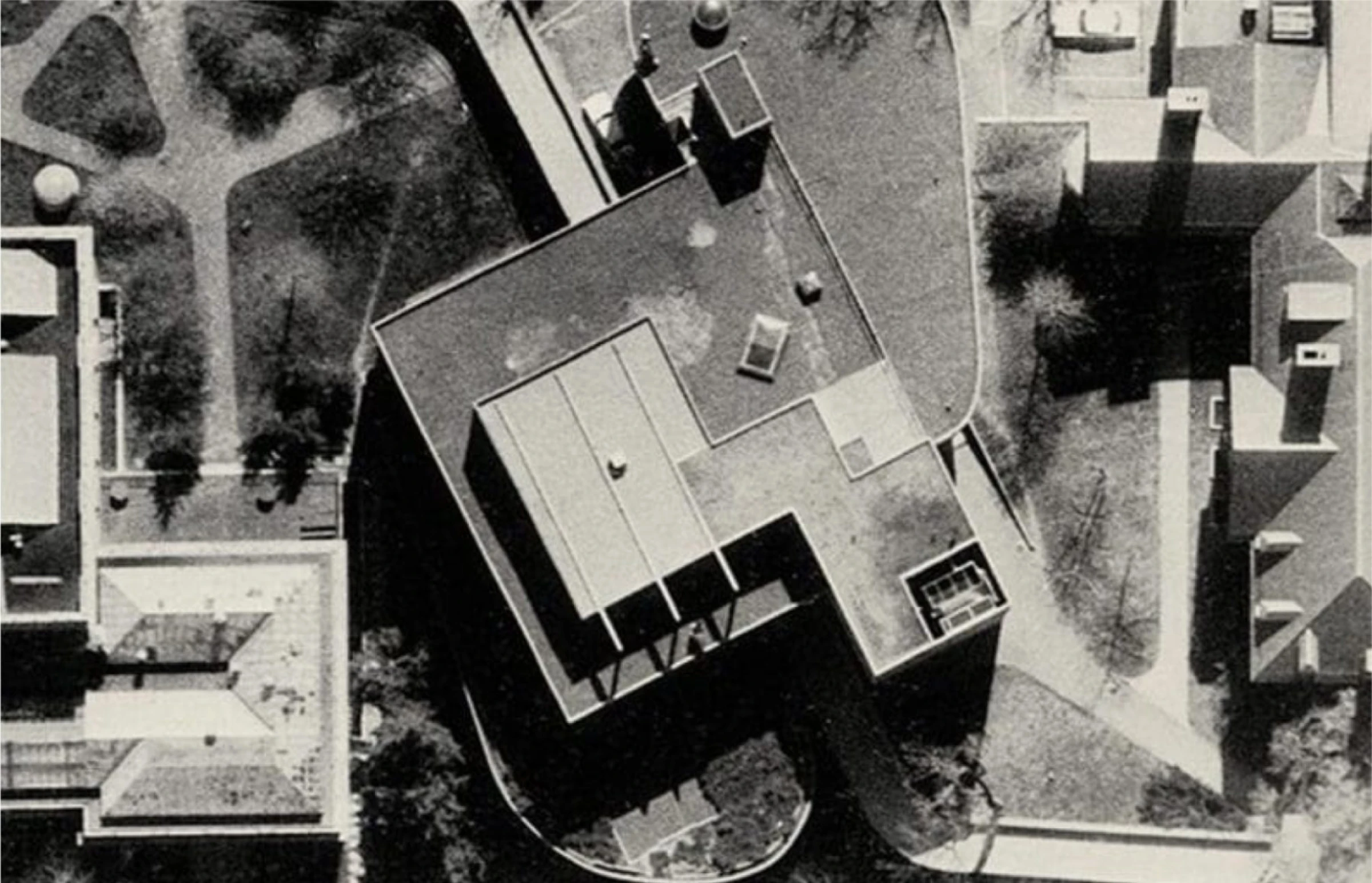
The Carpenter Center is not a neutral venue. It sits inside Harvard University with a profile that extends far beyond campus audiences, and its architecture and program history make every leadership move legible to the broader field. Appointing McNamara after an interim term suggests satisfaction with a direction grounded in artist-facing experimentation rather than purely administrative stabilization. Her recent statements emphasize residencies, publishing, and collaboration across academic and civic contexts, language that points to program architecture rather than short-cycle event production.
McNamara's trajectory supports that reading. Before this appointment she worked across multiple institutional types, from Providence-based independent structures to formal academic galleries and Los Angeles art school contexts. Her background includes roles connected to MoMA PS1 and Participant Inc, plus leadership in university gallery systems where budgets, pedagogy, and public programming must be negotiated simultaneously. That hybrid profile is increasingly valuable in 2026, when directors are expected to operate as curatorial strategists, development translators, and coalition builders.
For artists, the immediate question is whether continuity at the top translates into deeper commissioning frameworks rather than one-off invitations. The strongest university art programs now function as longitudinal partners, offering production support, student engagement structures, and publication outputs that outlive exhibition cycles. If McNamara's stated priorities become resourced policy, the Carpenter Center could strengthen its role as a place where artists test ambitious work under conditions that are critically engaged but not wholly market-driven.
For curators and collectors, this appointment is also a reminder that university institutions remain key upstream sites in the contemporary ecosystem. They often host difficult, medium-expanding, or research-intensive projects before those projects enter broader market circulation. Leadership that favors risk-tolerant programming can therefore have downstream effects on artist visibility, critical discourse, and eventually valuation frameworks. When a university center sustains serious commissions and scholarship, it changes what the field can discuss with confidence two or three years later.
The institutional challenge will be execution. Programmatic ambition is easy to announce and harder to maintain under budget pressures, staffing constraints, and shifting campus politics. Success will depend on whether the Carpenter Center can convert rhetoric about shared practice into durable structures, residencies with clear support models, publication pipelines with editorial standards, and local partnerships that are more than symbolic. Those are operational questions, not branding questions.
Still, the appointment lands at a moment when many institutions are searching for a workable middle path between academic specialization and public urgency. McNamara's confirmation suggests Harvard is choosing to invest in an artist-centered model that treats contemporary art as a site of knowledge production, not just display. If that commitment is matched by resources and long-term planning, the Carpenter Center could become a stronger reference point for how campus institutions can remain intellectually serious while widening who gets to participate in the conversation.
In a year crowded with director announcements, this one deserves attention because it is less about prestige succession and more about program identity. The question now is whether the Carpenter Center can translate leadership continuity into a sharper, more coherent institutional proposition. The conditions are there. The next cycle of exhibitions and residencies will show whether they are being used.