Modern Two Repositions Joan Eardley as a Structural Figure in Postwar Painting
An Edinburgh exhibition on Joan Eardley foregrounds method, place, and material rigor rather than nostalgia, widening her relevance for current curatorial debates.
A Joan Eardley exhibition at Modern Two in Edinburgh advances a useful correction for UK institutions: Eardley should be treated as structural to postwar painting, not as a sentimental regional figure. That shift matters for museums that are actively rewriting national narratives and acquisition priorities.
The show context at National Galleries of Scotland emphasizes method over mythology. Eardley is often discussed through biography, but these works hold up through composition, surface construction, and disciplined material decisions. Social observation and formal risk are inseparable in her best paintings.
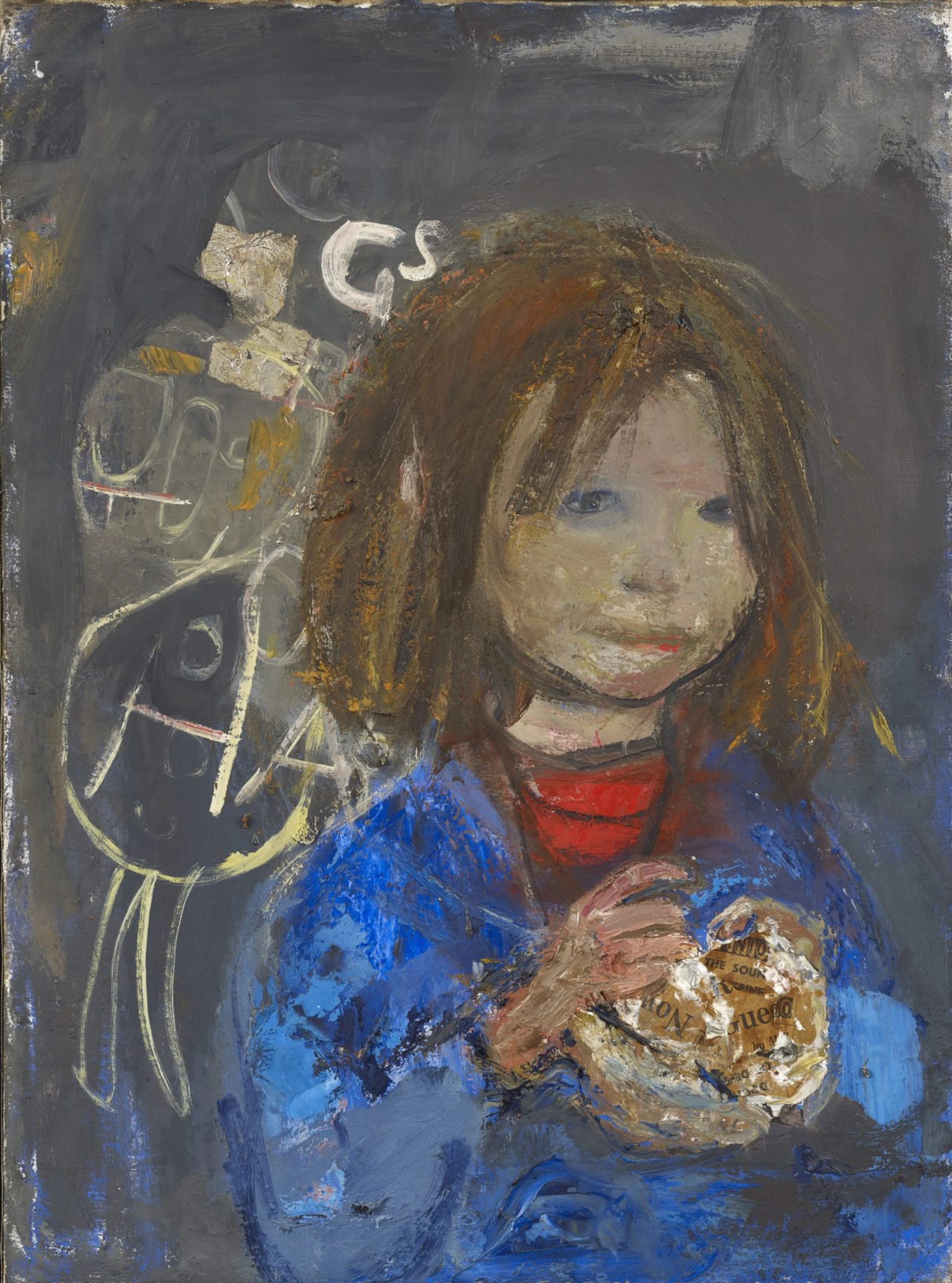
Paintings circulated through resources like joaneardley.com and The Scottish Gallery project archive show why this reading is persuasive. Portraits that can look immediately legible reveal dense painterly engineering on close inspection, especially where collage, oil, and abrupt tonal shifts force the eye to negotiate class, childhood, and representation at once.
For curators, this opens a practical pathway. Eardley can anchor installations around labor, weather, land, and civic life rather than appearing as a standalone heritage chapter. For collectors and advisors, institutional emphasis on formal strength, not only subject familiarity, can re-rank which works are treated as core to scholarship and future loan demand.
The broader consequence is institutional. Regional venues are no longer simply offering alternatives to London-centered narratives, they are setting arguments that larger centers later adopt. Partnerships between public bodies and specialist galleries, including The Scottish Gallery, are helping convert that argument into research, publication, and sustained visibility. This exhibition shows how to do that with precision and without nostalgia language.